2026 Best Architectural Glass vs Regular Glass?

Time:2026-11-20 Author:Sophia
0%

Glass looks simple until it has to support a railing, soften afternoon heat, or span a storefront. In 2026, “architectural glass” is not one special recipe; it describes glass selected and engineered for a building use. “Regular glass” usually means ordinary annealed glass, though the phrase is often used loosely. That distinction matters. Two clear panes may look alike on a sample board but respond differently to impact, temperature changes, or wind loads.

So, what makes architectural glass different from regular glass? The answer usually lies in its processing, construction, and verified performance—not appearance alone. Heat-treated glass can offer greater strength; laminated glass holds fragments together with an interlayer; insulated units combine panes to help manage heat and sound. Low-emissivity coatings can reduce heat transfer, but results depend on the complete window system, including the frame, climate, and installation. No product solves every problem.

This guide compares practical considerations such as safety, durability, energy performance, cost, and design flexibility. It also explores where ordinary glass may be sufficient and where a higher-performing assembly may be worth considering. Look beyond labels. Check thickness, edge details, test data, warranty terms, and project requirements with a qualified glazing professional. Small details matter. “Architectural” is not a guarantee of quality, and ratings can vary by product and market. The right choice starts with the building’s actual demands.
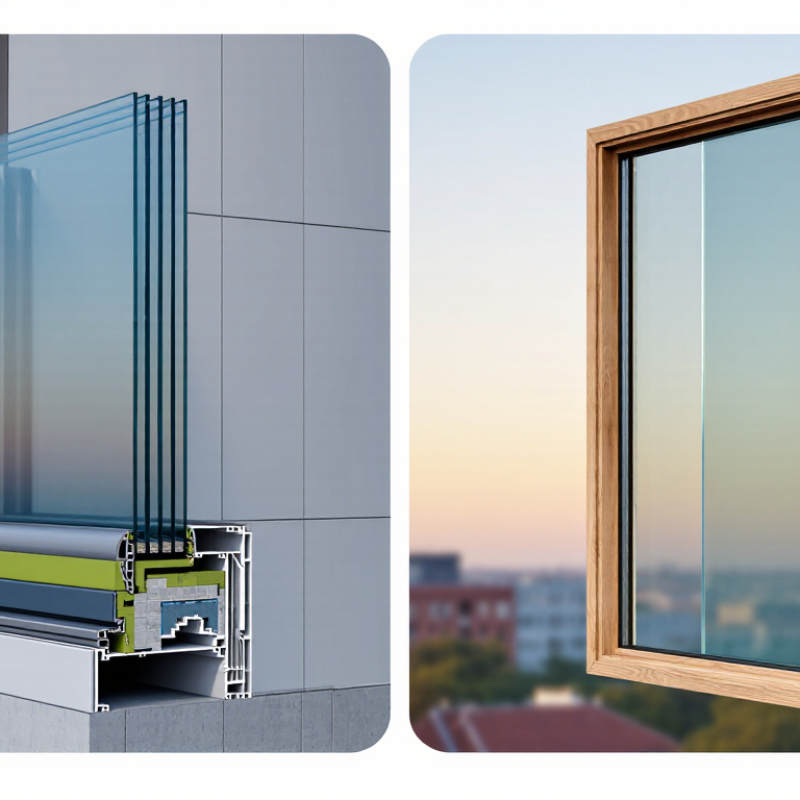
2026 Best Architectural Glass vs Regular Glass?

What Architectural Glass and Regular Glass Mean in 2026

Architectural glass describes glass selected or processed for a building’s design and performance needs. It may be tempered for impact resistance, laminated to help hold broken pieces together, or coated to manage glare and heat. Regular glass usually means basic, unprocessed glass, often used where advanced safety or thermal performance is not required. The terms can be fuzzy: “architectural” is not one single glass recipe. Check the product specification, not just the label.

In 2026, the practical difference is how the glass performs in its intended location. A clear pane beside a front door may need different safety properties from a small cabinet panel. A sun-facing window may benefit from a coating that reduces heat gain, while a shaded interior partition may not. Look at thickness, treatment, light transmission, insulation values, and installation details. A specification sheet is more useful than appearance alone. Two panes can look nearly identical.

Tips: Match the glass to the opening and its exposure. Ask whether it is tempered, laminated, or coated, and request documented performance data. Check edges and framing too; poor fit can undermine a good pane. If the description feels vague, pause and verify it with a qualified glazier. Small detail, big difference. I’ve seen projects focus on tint and overlook heat performance—that is an easy mistake, and not every “premium” feature is useful in every room.

How Manufacturing and Glass Treatments Differ

Architectural glass often begins as ordinary float glass: molten glass is formed into a flat, even sheet. The difference comes from later processing and from how the glass is specified for its location. A façade panel may be cut, edge-finished, heat-treated, laminated, or coated before installation. These steps affect strength, breakage behavior, appearance, and energy performance.

Tempered glass is heated and rapidly cooled, creating surface compression. If it breaks, it usually fragments into small pieces, though it is not unbreakable. Laminated glass bonds sheets with an interlayer; after breakage, fragments can remain attached. Low-emissivity coatings are applied in controlled layers to reduce heat transfer while allowing daylight through. Some coatings sit on protected interior surfaces, so handling and installation details matter. Small errors can cause trouble.

Regular glass may mean untreated float glass, but the phrase is not a precise technical category. Architectural glass is not always a completely different material; often, it is float glass with treatments chosen for a building’s needs. A clear pane beside a sunlit window can still gain heat, while a coated pane may change the view’s slight tint. The right choice depends on size, location, safety requirements, climate, and support design. Specifications should identify the glass type and treatment, rather than relying on broad labels.

The distinction is not always neat.

How the Two Types Compare in Safety, Insulation, and Durability

Architectural glass is not one fixed product; it can mean tempered, laminated, coated, or multi-pane glass designed for a specific opening. Regular glass often refers to basic single-pane glazing, though the term is used loosely. That distinction matters. Tempered glass is heat-treated and usually breaks into smaller fragments, while laminated glass holds shards to an inner layer after impact. Neither option is automatically right for every window or door. Check the glass type and the tested performance rating for the actual assembly, including its frame and installation.

Insulation depends more on the full glazing unit than on the label “architectural.” Two panes with a sealed air or gas space can reduce heat transfer compared with a single pane. Low-emissivity coatings may also help limit heat loss or solar gain, depending on the climate and orientation. On a cold morning, a well-designed unit can feel less chilly near the glass. But poor installation or failed edge seals can undermine that benefit. A little frustrating, but true.

Durability also has trade-offs. Tempered glass handles many everyday impacts better than ordinary annealed glass, yet edges can remain vulnerable during handling. Laminated glass may stay in place after cracking, but its interlayer can age or discolor under unsuitable conditions. Ask about impact requirements, seal warranties, maintenance, and replacement access. Bigger or more complex glazing can perform well, but it is not maintenance-free.

Where Architectural Glass and Regular Glass Are Commonly Used

Architectural glass is commonly used where glazing must do more than admit daylight. In office façades, high-rise windows, skylights, and entrance systems, designers may specify insulated units to reduce heat transfer and laminated glass to help retain fragments after breakage. Tempered glass is also common in doors and other locations where safety glazing is required. The exact choice depends on panel size, exposure, frame design, and local building requirements. Details matter.

Regular glass is often found in picture frames, cabinet doors, shelves, and indoor decorative panels. It can suit low-risk applications, but ordinary annealed glass may break into large, sharp pieces. A bathroom screen or stair-side panel, for example, should not be chosen by appearance alone; safety requirements and installation details need checking. “Regular glass” is a broad everyday term, not one precise technical specification. That distinction is easy to miss. Even architectural glass can perform poorly if its edges, support, or seals are unsuitable. A qualified glazier or façade professional can assess the actual opening and intended use before material is selected.

2026 Best Architectural Glass vs. Regular Glass

Where architectural glass and regular glass are commonly used

This is a typical-use classification, not market-share data. “Regular glass” here means annealed float glass; “architectural glass” includes processed glazing such as tempered, laminated, insulated, or coated glass. Safety-glazing requirements vary by location and application.

How to Choose the Right Glass for a Project

Choosing glass begins with the opening, not a product label. Measure its size, orientation, frame, and exposure to wind, impact, heat, and noise. “Architectural glass” is a broad term, not one fixed specification. It may include insulated units, laminated panes, heat-treated glass, or coatings selected for a building’s needs. Ordinary single-pane glass may suit a small interior cabinet, but it is rarely a direct substitute for a large exterior window. Details decide.

For a sunlit bedroom, compare solar heat gain and visible-light transmission; darker tint can reduce glare but dim the room. For a street-facing office, laminated glass may help reduce sound and retain fragments if broken, depending on the full assembly. Tempered glass handles impact better than annealed glass, but it can still break and does not hold shards together. Ask for documented performance values, not just a claim of “high performance.”

Check how the glass works with its frame, seals, hardware, and local climate. An insulated unit can lose effectiveness if its edges or installation are poorly handled. Have a qualified glazing professional review dimensions, loads, safety needs, and applicable building requirements before ordering. It is easy to overvalue insulation and overlook the view; I would test a sample in the actual room. A small sample can surprise you.

FAQS

What does architectural glass mean?

It is glass selected or processed for a building’s design and performance needs. The label alone does not identify its exact properties.

Is architectural glass a different material from regular glass?

Not always. It often starts as float glass, then receives treatments such as tempering, lamination, or coatings. The distinction can be fuzzy.

How can I tell what a glass panel can do?

Check its specification sheet for thickness, treatment, light transmission, and insulation values. Two panes can look nearly identical. Looks can mislead.

What is the difference between tempered and laminated glass?

Tempered glass usually breaks into small fragments. Laminated glass has an inner layer that can hold fragments in place after breakage.

Does architectural glass always provide better insulation?

No. Insulation depends on the full glazing unit, including panes, coatings, seals, and installation. A label is not enough.

When might a coating be useful?

A sun-facing window may benefit from a coating that reduces heat gain. Coatings can also slightly change the view’s tint, so check the details.

Can good glass perform poorly after installation?

Yes. Poor fitting, damaged edges, or failed seals can undermine performance. The frame matters too. Easy to overlook.

What should I ask before choosing glass for an opening?

Ask whether it is tempered, laminated, or coated, and request documented performance data. Consider the opening’s exposure and safety needs. I would not choose by appearance alone.

Conclusion

In 2026, choosing between architectural glass and regular glass starts with understanding their purpose. Regular glass is commonly used for everyday applications, while architectural glass is selected and engineered to meet the needs of building projects. The question of what makes architectural glass different from regular glass comes down to how it is manufactured, treated, and specified for a particular setting. Processes such as tempering, laminating, or adding specialized coatings can influence a pane’s performance, appearance, and suitability.

The two types can differ in safety, insulation, strength, and resistance to wear, though performance depends on the product and installation. Architectural glass is often considered for façades, windows, partitions, and other design features, while regular glass suits simpler uses. To choose the right option, consider the project’s location, desired appearance, safety requirements, energy goals, durability needs, and budget, then match the glass specifications to those priorities.

Sophia

Sophia

Sophia is a dedicated marketing professional with an exceptional depth of knowledge about her company's products and services. With a keen understanding of market trends and customer needs, she crafts insightful blog posts that not only inform but also engage readers, enriching the company’s online......