Why Do Architects Use Glass in Modern Home Designs?

Time:2026-07-14 Author:Mason
0%

The use of glass in modern home design has transformed architectural aesthetics. It enhances not just the appearance but also the functionality of homes. The question arises: why architects use glass for modern home design?

Glass allows natural light to flood interiors, creating spacious and inviting environments. Large windows and glass walls visually connect indoor and outdoor spaces. This blurs the line between nature and living areas. However, this reliance on glass is not without challenges. It can lead to privacy concerns and increased energy costs if not designed thoughtfully.

Architects often embrace glass for its versatility and beauty. It comes in various shapes, sizes, and finishes. Yet, the implementation must be approached carefully. Overuse of glass can make homes feel cold or impersonal. Balancing aesthetics with comfort is essential. Thus, while glass is appealing, it requires a discerning hand in its application.
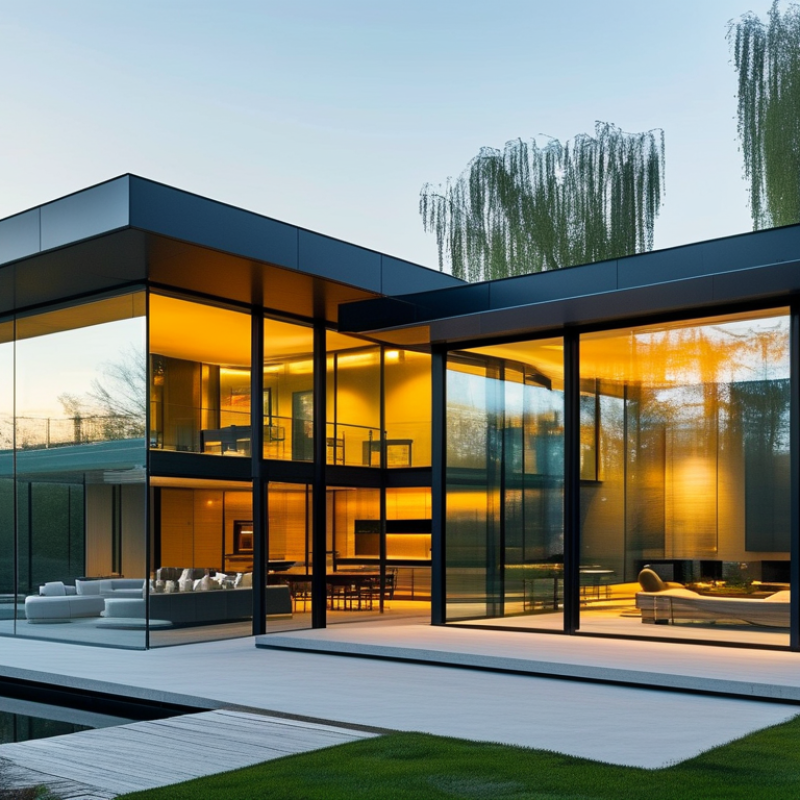
Why Do Architects Use Glass in Modern Home Designs?

The Role of Glass in Enhancing Natural Light in Modern Homes

Glass plays a crucial role in modern home design, primarily for its ability to enhance natural light. Researchers indicate that homes with ample natural light can boost mood and productivity. Studies show that natural light can lead to a 20% increase in productivity in workspaces. This effect is just as impactful in residential settings, where light influences daily living.

Architects often maximize natural light by incorporating large glass windows and open layouts. The American Institute of Architects states that homes with extensive glass features enjoy a better aesthetic appeal. However, there are challenges. Excessive sunlight can cause heat buildup and glare, making spaces uncomfortable. Balancing light intake and temperature control is essential for creating a livable environment.

Additionally, the use of energy-efficient glass can mitigate these issues. Advanced glazing technologies can filter harmful UV rays while allowing sunlight to illuminate interiors. This contributes to a healthier home environment. Yet, the initial cost of installation can be a barrier for some homeowners. Careful planning and consultation can help address these concerns while enhancing the timeless beauty of modern architecture.

Balancing Aesthetics and Functionality: The Use of Glass in Architecture

Glass has become a staple in modern architecture. Its versatility allows architects to create spaces that feel open and alive. Large glass panels can provide a seamless connection between indoor and outdoor environments. This integration fosters a sense of tranquility and enhances natural lighting. Bright, airy spaces can uplift moods and promote well-being.

The functionality of glass goes beyond aesthetics. It plays a crucial role in energy efficiency. Proper insulation and low-emissivity coatings can reduce heat loss. Architects often utilize double or triple glazing to improve thermal performance. However, challenges exist. Glare and heat gain can be problematic in certain climates. Design solutions must consider these factors to achieve balance.

Architects often face the dilemma of safety versus transparency. While glass provides stunning views, it can present risks. Safety measures must be integrated without compromising design integrity. This complex relationship between form and function pushes architects to innovate continually. Each design decision involves careful thought and reflection on practical needs versus artistic vision.

Energy Efficiency: How Glass Contributes to Sustainable Home Designs

Glass plays a crucial role in enhancing energy efficiency in modern home designs. Research from the U.S. Department of Energy shows that windows account for 25-30% of residential heating and cooling energy use. By using high-performance glass, architects can significantly reduce this impact. Advanced glazing technologies, like Low-E coatings, minimize heat transfer while maximizing natural light. This harmony of light and thermal control creates inviting spaces.

Many homes leverage triple-glazed windows. These can reduce energy loss by up to 50% compared to single-pane glass. However, not all buildings use glass effectively. Poorly placed windows may lead to excess heat gain in summer and heat loss in winter. Architects must consider orientation and local climate. Natural shading and proper ventilation solutions can work alongside glass features, enhancing overall energy efficiency.

Incorporating glass also fosters a visual connection with nature. Biophilic design principles show that views of greenery boost well-being. Still, this connection raises sustainability questions. More glass means higher resource use during production. Architects face a challenge here: balancing beauty, efficiency, and environmental responsibility. Thoughtful design choices can mitigate these impacts and lead to a sustainable future.

Energy Efficiency of Glass in Modern Home Designs

Creating Seamless Indoor-Outdoor Connections with Glass Features

Glass features have transformed modern home designs, enhancing the connection between indoor and outdoor spaces. By using large windows and glass doors, architects create fluid transitions. This design choice allows natural light to flood interiors, reducing reliance on artificial lighting. According to the National Association of Home Builders, homes with ample natural light can improve mood and well-being, proving that the benefits of glass extend beyond aesthetics.

Incorporating glass can be challenging. It requires careful consideration of thermal performance and privacy. Designers often weigh the trade-offs between openness and energy efficiency. In some cases, excessive glass can lead to overheating in summer months. A report from the American Institute of Architects notes that using low-emissivity glass can help mitigate these issues while maintaining clarity.

Tip: Use operable glass elements to enhance ventilation. Windows that open can balance airflow and reduce energy consumption. Also, consider strategically placing glass to shield private areas from view while maximizing scenery and light. Thoughtful placement is key; not all glass is created equal.

The Evolution of Glass Technology in Contemporary Home Architecture

The use of glass in modern home designs has undergone significant transformation. Early designs limited glass to small windows. Today, large panes dominate architecture. This evolution mirrors advancements in glass manufacturing. Stronger, energy-efficient varieties are now commonplace. These innovations enable expansive views and natural light flow.

Architects now prioritize transparency. They integrate glass walls and roofs seamlessly into designs. This creates a connection between the indoors and outdoors. The benefits include enhanced aesthetics and improved well-being. However, challenges persist. Overexposure to sunlight can lead to overheating. Maintaining privacy can also become an issue. Balancing these factors requires careful planning.

Moreover, the aesthetics of glass can be double-edged. Large glass surfaces create stunning visuals, but they can become maintenance nightmares. Fingerprints and dust are constant concerns. The energy efficiency of glass varies by type. Not all options offer the same level of insulation. As architects explore glass, they must navigate these complexities to ensure that the beauty of their designs does not compromise functionality.

Why Do Architects Use Glass in Modern Home Designs?

Dimension Details
Material Type Low-E Glass
Energy Efficiency Reflects heat, reduces cooling costs
Design Aesthetic Creates open, airy spaces with natural light
Acoustic Properties Sound insulation options available
Sustainability Recyclable and can reduce energy consumption
Security Features Tempered and laminated options for safety
Examples of Use Floor-to-ceiling windows, glass walls

FAQS

: How does glass enhance natural light in homes?

: Glass allows abundant sunlight into homes, boosting mood and productivity.

What benefits does natural light provide?

Natural light can increase productivity by up to 20% in workspaces and homes.

What challenges arise from using large glass windows?

Excessive sunlight can cause heat buildup and glare, making spaces uncomfortable.

How can energy-efficient glass help?

Energy-efficient glass filters UV rays and controls temperature, creating healthier environments.

What are the benefits of triple-glazed windows?

Triple-glazed windows can reduce energy loss by up to 50% compared to single-pane options.

Why is the placement of windows important?

Poorly placed windows can lead to excess heat gain in summer and heat loss in winter.

What role does biophilic design play in home aesthetics?

Biophilic design incorporates views of nature, improving well-being and comfort.

What are the sustainability concerns with using more glass?

Increased glass use may lead to higher resource consumption during production.

How can architects balance beauty and efficiency?

Thoughtful design choices are needed to mitigate the environmental impact of glass.

What should homeowners consider before adding large glass features?

Homeowners should plan for light intake, temperature control, and costs.

Conclusion

The use of glass in modern home design has become increasingly popular due to its ability to enhance natural light, which significantly impacts the ambiance of living spaces. One of the key reasons why architects use glass for modern home design is its role in creating bright, open environments that foster a connection to nature. Additionally, glass facilitates a seamless transition between indoor and outdoor spaces, enriching the overall aesthetic and functionality of a home.

Glass technology has evolved to provide options that promote energy efficiency, which is essential for sustainable architecture. By incorporating advanced glass solutions, architects can improve insulation and reduce energy consumption, making homes not only beautiful but also environmentally conscious. This balance of aesthetics and practicality underscores why architects choose glass as a fundamental element in contemporary home designs.

Mason

Mason

Mason is a seasoned marketing professional with a deep expertise in the company's offerings and a passion for driving brand awareness. With a strong background in digital marketing strategies, he has an innate ability to connect with diverse audiences and effectively communicate product benefits.......