Architectural glass has revolutionized modern building design, setting itself apart in numerous ways. What makes architectural glass different from regular glass is its specialized manufacturing, enhancing both functionality and aesthetics. According to a report by MarketsandMarkets, the architectural glass market was valued at $51.2 billion in 2021 and is projected to reach $73.3 billion by 2026. This remarkable growth speaks to its crucial role in contemporary architecture.
The distinctions lie in properties such as strength, insulating capabilities, and aesthetic enhancement. Architectural glass often undergoes processes like tempering or lamination, allowing it to withstand greater stress and impact. Regular glass, while versatile, does not provide the same level of durability or energy efficiency. In fact, studies indicate that buildings using high-performance architectural glass can reduce energy consumption by up to 30%, making it a sustainable choice.
The unique qualities of architectural glass foster innovative design possibilities while addressing critical environmental concerns. However, some might overlook the costs associated with higher-grade materials. Balancing quality and budget is essential in construction. Understanding what makes architectural glass different from regular glass not only guides architects but also informs consumers about their investment in future-ready structures.
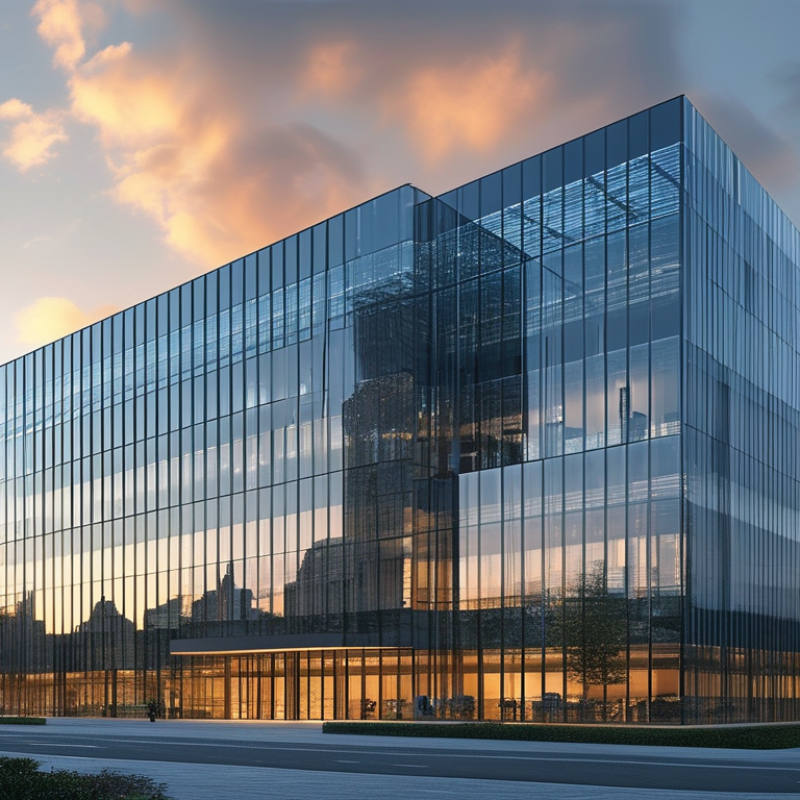
Differences in Composition: Architectural Glass vs. Regular Glass
Architectural glass stands out due to its specific composition and properties. Regular glass typically comprises silica, soda, and lime. However, architectural glass integrates additional materials to enhance strength and performance. This specialized glass often contains additives, like boron or aluminum, which significantly improve its thermal and structural resilience.
The manufacturing process also differs. Architectural glass undergoes rigorous tempering or laminating, providing greater safety and durability. Regular glass may shatter easily, while architectural glass is designed to withstand stress and impact. These characteristics make it ideal for buildings and facades, where safety and aesthetics are paramount.
Despite these advancements, architectural glass isn’t without flaws. The production process can produce variations in thickness and clarity. Even with advanced techniques, some imperfections may still occur, leading to challenges in installation. Recognizing these differences helps architects and builders make informed choices, ensuring that aesthetic appeal and functionality meet high standards.
Structural Integrity: Strength and Durability of Architectural Glass
Architectural glass stands out due to its structural integrity, strength, and durability. Unlike regular glass, architectural glass undergoes
rigorous testing and treatment. For instance, tempered glass is heated and cooled quickly, increasing its strength. Reports indicate that this process
can make it up to five times stronger than standard glass. Additionally, laminated glass features interlayers that enhance its durability
and prevent shattering.
The structural integrity of architectural glass is crucial in construction. It must withstand various environmental forces. Wind load, for example, can exert significant pressure on a
building's facade. Studies show that architectural glass can endure winds exceeding 100 miles per hour in certain applications. However, designers must also consider its
limitations. Improper installation can lead to thermal stress and breakage. Therefore, detailed analysis during design and installation phases is
essential.
Architectural glass can provide stunning aesthetics and functionality. When it's installed correctly, it enhances natural light and visual appeal.
However, the complexity of these materials requires expertise. Proper choices in thickness, type, and treatment are critical. Regular glass simply cannot
compete in these respects. Understanding its durability and structural properties is vital for any architectural project.
Design Versatility: Aesthetic Options in Architectural Glass
Architectural glass stands out from regular glass due to its design versatility. This specialty glass comes in various aesthetic options, transforming spaces into works of art. According to the Glass Association of North America, the architectural glass market is projected to reach $125 billion by 2025. This growth underscores its significance in contemporary architecture.
The ability to customize architectural glass is remarkable. Designers can choose from a wide range of colors, finishes, and textures. Options like frosted, tinted, and reflective glass can dramatically change light dynamics in a space. Notably, these choices also enhance energy efficiency. A 2020 study indicated that using low-emissivity glass can reduce heating and cooling costs by up to 30%.
However, not everything is perfect with architectural glass. Some designs may compromise structural integrity. Aesthetic appeal can lead to neglect in thermal performance. While creative freedom is essential, balancing beauty with practicality is crucial. The right design choice requires careful consideration of both form and function. Such challenges remind us that design is often a complex interplay of many factors.
Thermal and Energy Efficiency: Performance of Architectural Glass
Architectural glass stands out for its thermal and energy efficiency. Unlike regular glass, it features advanced coatings and treatments. These innovations help reduce heat transfer. As a result, buildings can maintain comfortable indoor temperatures. This efficiency translates to lower energy bills. It is essential for both residential and commercial applications.
Additionally, architectural glass can enhance the benefits of passive solar heating. It allows natural light to enter without excessive heat gain. This property is crucial for reducing reliance on artificial lighting. However, it's important to consider local climate conditions. Not every type of architectural glass is suitable in every environment. A thoughtful approach is necessary.
While architectural glass offers many advantages, there are also potential drawbacks. For example, certain types may be more prone to scratching. Maintenance can become an issue with improper care. Consumers should be cautious. They must choose the right type of glass for specific needs. Evaluation of energy performance ratings is vital. Making informed decisions will lead to better outcomes.
What Makes Architectural Glass Unique Compared to Regular Glass? - Thermal and Energy Efficiency: Performance of Architectural Glass
| Property |
Architectural Glass |
Regular Glass |
| Thermal Insulation |
High (U-value: 0.2-1.2 W/m²K) |
Low (U-value: 4.0-6.0 W/m²K) |
| Solar Control |
Advanced (Solar Heat Gain Coefficient: 0.25-0.50) |
Basic (Solar Heat Gain Coefficient: 0.60-0.80) |
| Light Transmission |
Variable (Light Transmittance: 30%-90%) |
Fixed (Light Transmittance: ~90%) |
| Energy Efficiency Rating |
High (Energy Star Certified) |
Low (Not Energy Star Certified) |
| UV Protection |
High (Blocks up to 99% of UV rays) |
Low (Blocks minimal UV rays) |
Safety Features: Impact Resistance and Shatterproof Qualities of Architectural Glass
Architectural glass is designed with specific safety features, setting it apart from regular glass. One key aspect is its impact resistance. According to industry data, architectural glass can withstand forces of up to 400% greater than standard glass. This durability makes it ideal for high-rise buildings and glass facades, where safety is paramount.
Shatterproof qualities are another significant feature. Architectural glass often undergoes tempering processes that increase its strength. Reports indicate that tempered glass is four to five times stronger than regular glass of the same thickness. In case of breakage, it shatters into small, blunt pieces rather than sharp shards, reducing injury risks.
Tip: When selecting glass, consider the installation environment. Locations with high foot traffic or potential impact risks should prioritize shatter-resistant options.
Even with advancements, there are still challenges. Variations in glass thickness and quality can affect safety. Regular maintenance checks can help identify potential issues early. Always consult with professionals to ensure your selection meets safety standards.
Tip: Stay informed about evolving industry standards and safety regulations. Regular training for building maintenance teams can ensure everyone is equipped to handle glass-related safety concerns.
FAQS
: Architectural glass is a specialty glass known for its design versatility.
It offers various colors, finishes, and textures, creating unique aesthetic options.
It enhances energy efficiency and reduces heating and cooling costs significantly.
Yes, some designs can compromise this, necessitating a balance between aesthetics and practicality.
It maintains comfortable indoor temperatures and lowers energy bills.
No, some glass types may not perform well in certain environmental conditions.
It may be prone to scratching and requires careful maintenance to avoid issues.
Evaluate energy performance ratings and consider specific needs carefully.
It allows natural light while preventing excessive heat gain in buildings.
Choosing the right type of glass and maintaining it properly to avoid potential issues.
Conclusion
Architectural glass is distinguished from regular glass primarily by its unique composition and enhanced properties, which are crucial for modern construction and design. What makes architectural glass different from regular glass includes its increased strength and durability, offering superior structural integrity that can withstand environmental challenges. Additionally, architectural glass provides a diverse array of aesthetic options, enabling innovative designs while promoting energy efficiency through advanced thermal performance.
Moreover, safety features such as impact resistance and shatterproof qualities are vital characteristics of architectural glass, ensuring protection and reliability in various applications. Overall, the combination of these elements highlights the significance of architectural glass in contemporary architecture, making it an essential material that elevates both functionality and visual appeal in building projects.

 Greensina Glass