2026 Best Ways Glass Improves Building Safety and Security?

Time:2026-06-13 Author:Henry
0%

In recent years, the role of glass in architecture has evolved significantly. Understanding how glass affects building safety and security is crucial for architects and builders. This material is not just about aesthetics; it directly impacts structural integrity and safety measures.

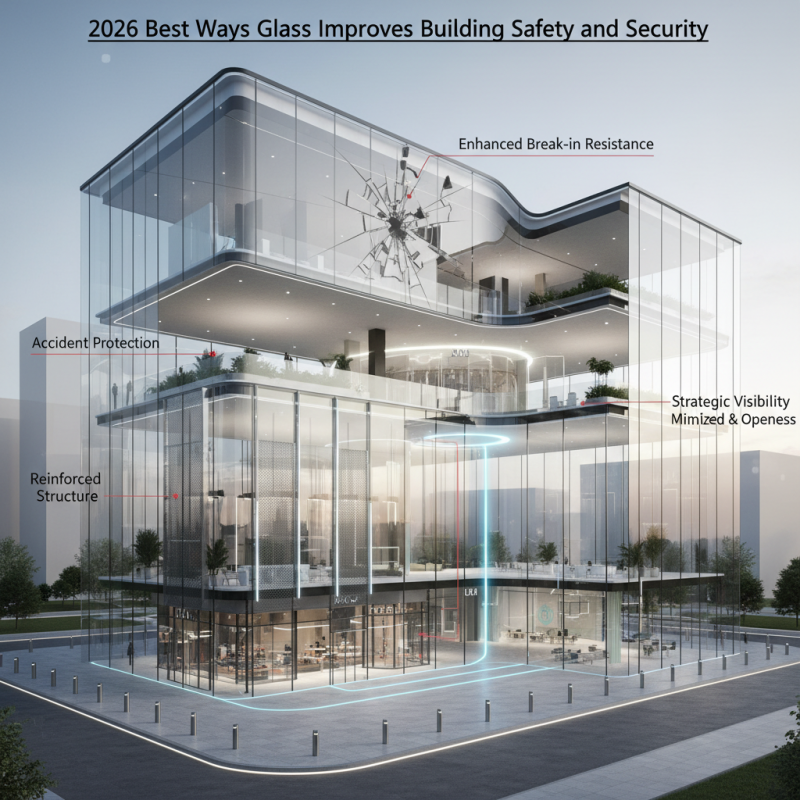
Modern glass technology offers remarkable features. Laminated and tempered glass provide enhanced resistance against break-ins and accidents. However, relying solely on glass can be problematic. For instance, inadequate thickness can compromise durability. Builders must balance glass use with proper reinforcement.

Beyond physical properties, there’s a psychological aspect. Transparent spaces foster openness, yet may also expose vulnerabilities. Effective design incorporates glass with strategic placement to maximize visibility while minimizing threats. The challenge remains: ensuring glass enhances safety without sacrificing beauty.
2026 Best Ways Glass Improves Building Safety and Security?

Innovative Glass Technologies Enhancing Building Safety and Security

Innovative glass technologies are revolutionizing building safety and security. Enhanced security films can be applied to existing glass to resist impact and shatter, providing a first line of defense against break-ins. According to a report from the National Institute of Standards and Technology, properly installed security glazing can withstand forces five times greater than ordinary glass.

Smart glass technologies are also emerging. This glass can switch between transparent and opaque states with the application of an electrical current. This not only improves privacy but can also help in managing overexposure to sunlight, which can lead to overheating. As buildings adopt these innovations, there’s a clear enhancement in comfort and safety.

Tips: When selecting glass for safety, prioritize products with certification. Look for documentation on impact resistance and energy efficiency. Regularly inspect glass panels for cracks or chips. Proper maintenance can significantly extend the lifespan of glazing. Choose products that are both stylish and functional, keeping an eye on current trends and safety ratings.

Impact of Laminated Glass on Structural Integrity and Safety

Laminated glass plays a crucial role in enhancing structural integrity and safety. This innovative material consists of two sheets of glass with a layer of plastic sandwiched in between. It remains intact even when shattered, minimizing the risk of injury from falling shards. This feature is particularly beneficial in high-rise buildings and areas prone to severe weather.

Tips: Consider using laminated glass in areas exposed to heavy traffic or outdoor elements. It can provide an extra layer of protection in these vulnerable spots.

Moreover, laminated glass improves sound insulation. It blocks noise effectively, creating a more peaceful environment. This benefit is essential for residential and commercial buildings alike. Enhanced comfort contributes to overall safety and security.

Tips: For offices in busy urban areas, laminated glass can reduce distractions. This choice can lead to improved productivity and safety for employees.

While laminated glass offers numerous advantages, it is vital to ensure proper installation. Incorrect installation may lead to reduced performance. Trust qualified professionals for installation to ensure the safety and integrity of buildings.

Impact of Laminated Glass on Building Safety and Security (2026)

Smart Glass Solutions for Enhanced Surveillance and Privacy

The integration of smart glass solutions in modern buildings enhances surveillance and privacy significantly. These technologies use electrochromic glass that can change opacity on demand. This feature allows building occupants to adjust transparency based on their privacy needs. According to industry reports, 30% of urban buildings utilize smart glass to improve security by offering enhanced control over visibility.

Surveillance systems can greatly benefit from this technology. Smart glass can conceal sensitive areas while still allowing light to flow through. This creates a dual function: maintaining an open atmosphere while ensuring critical areas remain secure. A report from the Architectural Glass and Glazing Association highlights that buildings employing smart glass can reduce unauthorized access incidents by up to 25%.

However, there are challenges. The initial cost of installation can be high, and maintenance requires specialized knowledge. Some building managers may hesitate due to perceived complexity. A balance must be struck between advanced technology and practical application. While smart glass offers remarkable benefits, the learning curve and cost considerations must be addressed to maximize its potential in building safety.

Fire-Resistant Glass Applications in High-Risk Environments

Fire-resistant glass plays a crucial role in enhancing safety in high-risk environments. Its unique properties allow it to withstand intense heat and flames, providing essential protection during a fire. Many building professionals now recommend its use in schools, hospitals, and high-rise offices. This type of glass can act as a barrier, slowing the spread of fire and providing people with crucial time to evacuate.

The installation process does require careful consideration. Even with advanced technology, challenges can arise, such as potential cracks during thermal expansion. These can compromise the glass’s effectiveness. Regular inspections are essential; neglect could lead to dangerous situations. Additionally, some fire-resistant glass options may not fit the aesthetic requirements of certain buildings, creating a dilemma between safety and design.

It's important to recognize that while fire-resistant glass significantly enhances building safety, it is not a standalone solution. Combined with effective fire alarms and sprinkler systems, it contributes to a comprehensive safety strategy. Awareness and education about proper installation and maintenance are key. Only then can the true potential of fire-resistant glass be realized in keeping occupants safe.

The Role of Glass in Earthquake-Resistant Building Design

In earthquake-prone regions, glass plays a critical role in improving building safety. Its unique properties can enhance structural integrity while allowing for natural light. Modern design incorporates laminated and tempered glass, which resists shattering. This significantly reduces the risk of injury during seismic events.

Tips: Choose glass types according to local regulations. Consult with engineers to determine the best glass solutions for your building.

However, not all glass is suitable for seismic resistance. Regular glass can break easily, causing hazards. Proper installation is crucial. It must be anchored correctly to withstand movements. This often requires innovative framing solutions to maintain stability.

Tips: Regular inspections can identify weaknesses. Work with construction experts to ensure compliance with seismic safety standards.

2026 Best Ways Glass Improves Building Safety and Security

Method Description Benefits Earthquake Resistance
Laminated Glass Glass made by layering polyvinyl butyral (PVB) between sheets of glass. Reduces risk of shattering, increases safety from impacts. Maintains integrity during tremors, minimizing the risk of injury from falling glass.
Tempered Glass Glass treated by heating and rapid cooling to increase strength. Lower chance of breaking and safer if it does, as it shatters into small pieces. Can better withstand vibrations and stress during seismic activity.
Smart Glass Glass that can change its properties (e.g., opacity) in response to environmental stimuli. Enhances security by limiting visibility when needed. Flexibility can adapt to building movements during earthquakes.
Bullet-resistant Glass Multi-layered glass designed to withstand ballistic impacts. Improves overall security for high-risk buildings. Durability can act as a buffer during seismic movements.
Seismic Isolation Systems System using flexible bearings that allows a building to move independently from ground motion. Reduces structural damage and improves safety for occupants. Enhances building performance during earthquakes by absorbing shocks.

FAQS

: What are enhanced security films used for?

: Enhanced security films are applied to glass to resist impact and shatter, improving building safety.

How much stronger is security glazing compared to ordinary glass?

Security glazing can withstand forces five times greater than regular glass, making it more secure.

What is smart glass?

Smart glass switches between transparent and opaque states with an electrical current, enhancing privacy and comfort.

What are the benefits of laminated glass?

Laminated glass remains intact when shattered, reducing injury risks and enhancing sound insulation in buildings.

Where should laminated glass be used?

It's ideal for areas exposed to heavy traffic or harsh weather conditions to provide extra protection.

How does smart glass support surveillance?

Smart glass can change opacity, allowing visibility control while concealing sensitive areas for better security.

What challenges come with using smart glass?

High installation costs and the need for specialized maintenance can make some hesitant to adopt this technology.

Why is proper installation important for laminated glass?

Incorrect installation may reduce performance, compromising the safety and integrity of buildings.

How can laminated glass benefit urban office spaces?

It blocks noise effectively, enhancing comfort and productivity for employees working in busy environments.

What should be prioritized when selecting safety glass?

Look for certified products that offer documentation on impact resistance and energy efficiency for best results.

Conclusion

The article "2026 Best Ways Glass Improves Building Safety and Security" explores various innovative glass technologies that significantly enhance the safety and security of buildings. It examines how glass affects building safety and security through the use of laminated glass, which not only ensures structural integrity but also provides additional protection against impacts and break-ins. Furthermore, smart glass solutions are highlighted for their ability to enhance surveillance capabilities and maintain privacy, ensuring optimal security for occupants.

Additionally, the article discusses the application of fire-resistant glass in high-risk environments, minimizing the spread of flames and smoke during emergencies. Lastly, it addresses the role of glass in earthquake-resistant building design, showcasing how advancements in glass technology can contribute to safer structures in seismically active areas. Overall, these developments illustrate the critical role of glass in contemporary building safety and security practices.

Henry

Henry

Henry is a dedicated marketing professional with a profound expertise in the company's offerings. With years of experience in the industry, he possesses an impressive understanding of the market dynamics and consumer behaviors that drive success. Henry is committed to sharing his insights through......