In modern architecture, natural light is a vital element that enhances both aesthetics and well-being. Understanding how to design buildings with more natural light can transform spaces dramatically. Maximizing daylight can lead to energy efficiency and improved occupant mood.
Consider the orientation of your building. The way a structure faces can greatly impact light exposure. Large windows and skylights can flood interiors with sunlight, creating a warm atmosphere. However, too much light can cause glare and overheating, requiring careful balance and planning.
Choosing the right materials is also crucial. Reflective surfaces can amplify natural light, while careful color choices can enhance its effect. Strategies like light shelves can redirect sunlight deeper into the building. Ultimately, there is no one-size-fits-all approach, and designers must reflect on their choices to achieve the best results.
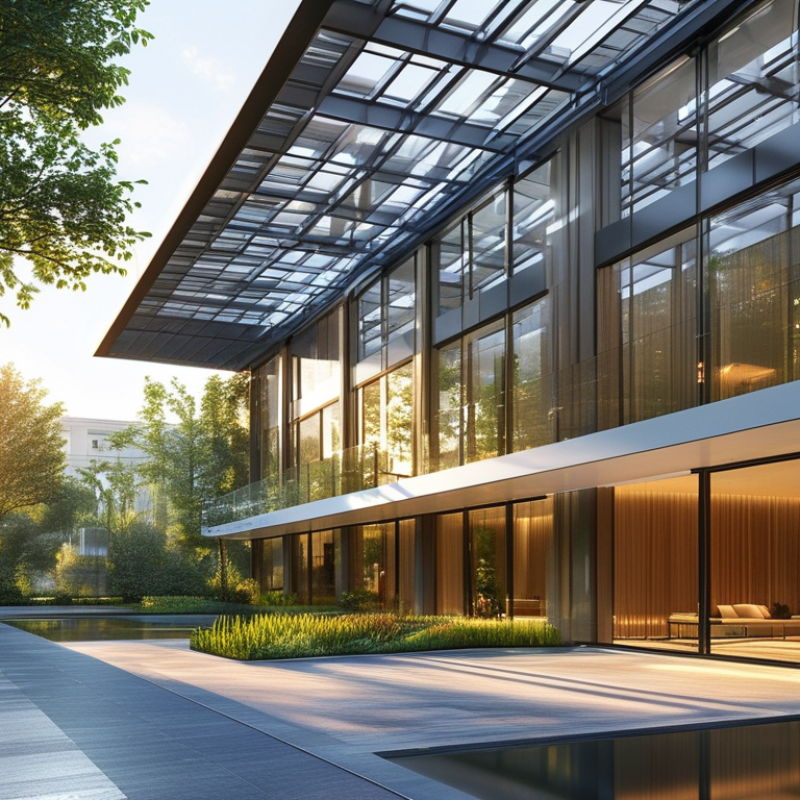
Maximizing window placement is vital for enhancing natural light in buildings. The orientation of windows affects how much sunlight enters a space. South-facing windows capture the most light throughout the day. East-facing windows bring in morning light, ideal for energizing spaces like kitchens or offices. West-facing windows can create heat in the afternoons, so consider using shades to manage this.
When planning window placements, think about the surrounding environment. Trees, buildings, and topography can block light. Always conduct a shadow study to understand potential obstructions. This insight informs decisions on window size and type.
Tips for optimal sunlight exposure include:
- Use skylights and clerestories for additional light. These features can brighten even the darkest corners.
- Opt for large windows in key areas, like living rooms. This creates a seamless connection between indoor and outdoor spaces.
- Consider using reflective materials nearby to bounce light deeper into rooms. Light-colored walls can help enhance illumination.
Balancing window sizes is essential. Too many large windows can cause glare or overheating. Reflect on your design choices regularly. Adaptations may be necessary as the building's use changes over time.
| Design Strategy | Description | Benefits | Considerations |
|---|---|---|---|
| Maximize Window Placement | Position windows to capture sunlight at different times of the day. | Enhanced natural lighting in living spaces. | Consider surrounding buildings and trees that may block light. |
| Use Skylights | Incorporate skylights in roofs to allow light from above. | Provides even light distribution, reduces reliance on artificial light. | Potential for heat gain; need for proper ventilation. |
| Consider Window Size | Design larger windows for increased daylight entry. | Brightens spaces significantly and can improve mood. | May increase heating and cooling costs; privacy concerns. |
| Use Light Colors | Select light-colored walls and furnishings to reflect light. | Enhances brightness and creates a more spacious feel. | May require more frequent cleaning to maintain appearance. |
| Install Clerestory Windows | Place windows high on walls to let light in while preserving privacy. | Good for natural light without compromising wall space. | Difficult to clean and may require professional installation. |
| Use Sliding Doors | Incorporate sliding glass doors to open spaces to the outdoors. | Brings in light and creates a seamless transition to outside. | Security and energy efficiency considerations; potential maintenance. |
| Strategic Overhangs | Design overhangs to shade windows in summer and allow sun in winter. | Balanced light levels throughout the year. | Requires careful planning for latitude and climate. |
| Utilize Transoms | Install small windows above doors and windows to increase light intake. | Enhances architectural interest while allowing light flow. | May require modifications to existing structures. |
| Design Open Floor Plans | Create an open layout promoting light passage through rooms. | Increases the overall brightness of the home. | May limit privacy in certain areas; furniture placement challenges. |
: Skylights serve as conduits for sunlight, brightening spaces and improving ambiance significantly.
It's vital to assess the sun's angle and position throughout the year for optimal exposure.
High-quality, clear materials are ideal. Avoid tinted or frosted options that reduce brightness.
Adding electric or manual vents can help prevent heat buildup and improve air movement.
They allow light to travel freely by removing unnecessary walls, creating an airy environment.
Large windows should be strategically positioned to draw sunlight from multiple angles effectively.
Yes, while they enhance light, they may also cause glare, creating discomfort in certain conditions.
Consider window treatments and lighter décor, but avoid overly bright spaces that might be uncomfortable.
Soft whites, creams, and light shades of yellow or blue can bounce sunlight deeper into spaces.
Experimenting with textures and finishes may yield unexpected results, improving overall ambiance and functionality.
Designing buildings with more natural light is crucial for creating vibrant and inviting spaces. One effective approach is maximizing window placement to ensure optimal sunlight exposure throughout the day. This can be complemented by incorporating skylights and roof lanterns, which not only bring in additional light but also connect the interior with the outdoors. Another strategy is to utilize glass facades and transparent materials, allowing light to permeate deep into the building while maintaining a modern aesthetic.
Moreover, designing open floor plans can significantly enhance light distribution across different areas, creating a sense of spaciousness and warmth. Finally, implementing light-reflective interior finishes and colors helps to amplify the effects of natural light, ensuring that every corner of the space feels bright and welcoming. By considering these elements, architects and designers can effectively learn how to design buildings with more natural light, ultimately improving the quality of the living and working environments.

 Greensina Glass