In the world of medical imaging, safety is paramount. X-ray Shielding Glass plays a critical role in protecting both patients and medical staff from harmful radiation exposure. As technology advances, the demand for effective shielding solutions is on the rise. This glass is specifically designed to absorb X-rays, reducing the risk of damage to human tissues.
Choosing the right X-ray Shielding Glass can be challenging. There are many factors to consider, such as thickness, density, and transparency. Each characteristic affects the glass’s ability to shield against radiation. Some products may not perform as expected, leading to potential oversights in safety. Reflecting on these choices is essential for ensuring optimal protection.
With 2026 approaching, the market offers various options for X-ray Shielding Glass. Innovations have led to improved designs and materials. However, not all products provide the same level of safety. An informed decision requires careful evaluation of features and performance. Prioritizing safety while navigating these options is necessary for effective protection.
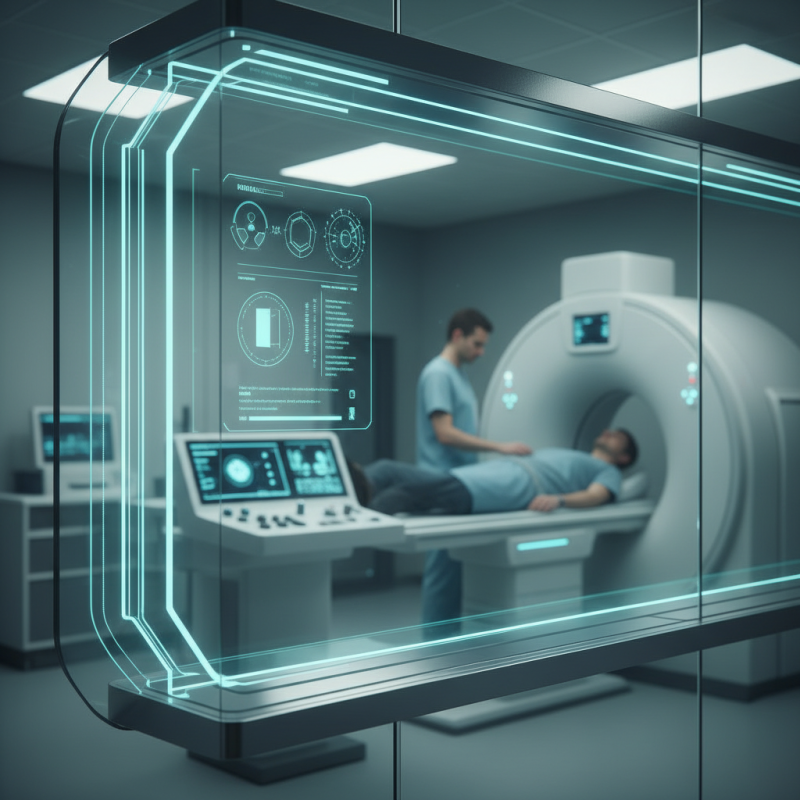
X-ray shielding glass plays a vital role in medical facilities. It protects healthcare workers and patients from harmful radiation. This is crucial, as studies show that continuous exposure can lead to serious health issues. According to the World Health Organization, medical staff is at a higher risk for radiation-related ailments. Using effective shielding glass significantly mitigates this risk.
The type and thickness of the glass are critical factors. For example, leaded glass is commonly used for its effective barrier properties. Research indicates that glass with at least 1.5 mm of lead equivalency can reduce exposure by 50%. However, not all facilities use the optimal thickness. Some still rely on outdated practices, leaving staff vulnerable. An assessment of existing installations may uncover these gaps.
Moreover, proper installation and maintenance are key. Even the best quality glass will fail if not installed correctly. Cracks or improper sealing can drastically reduce protection. Regular checks are necessary to ensure integrity. Many facilities overlook this, which can have dire consequences. Realizing these practices can help improve safety standards in medical environments.
| Type of X-ray Shielding Glass | Thickness (mm) | Lead Equivalence (mm) | Transmission Rate (%) | Application Areas | Comments |
|---|---|---|---|---|---|
| Standard X-ray Glass | 5 | 1.5 | 98 | Radiology Rooms, Dental Clinics | Standard choice for medical imaging |
| Lead Glass | 6 | 2.0 | 95 | Surgical Suites, Emergency Rooms | Higher lead equivalence for better protection |
| Barium Glass | 8 | 2.5 | 90 | Veterinary Clinics, Research Labs | Suitable for high radiation environments |
| Polycarbonate X-ray Shielding | 10 | 3.0 | 85 | Pediatric Facilities, Portable X-ray Units | Lightweight and impact resistant |
: X-ray shielding glass protects healthcare workers and patients from harmful radiation. Continuous exposure can cause serious health issues.
Glass should have at least 1.5 mm of lead equivalency to reduce exposure by 50%. Some facilities use outdated practices.
Proper installation ensures maximum protection. Cracks or poor sealing can reduce effectiveness. Regular checks are crucial but often neglected.
Standards from organizations like IEC recommend at least 1 mm of lead equivalence for effective protection. Compliance is essential.
Higher lead content generally offers better protection. However, transparency and aesthetics may decline, requiring careful evaluation.
Future efforts focus on sustainability, using recycled materials. Balancing safety with eco-friendliness is a challenging priority.
Yes, using non-compliant products can lead to serious safety hazards. Staying informed about regulations is crucial.
Facilities should reassess their installations regularly and consult with experts. This helps to ensure compliance and optimal protection.
Continuous research is needed to find materials that meet both safety standards and environmental considerations without compromising quality.
X-ray Shielding Glass plays a critical role in ensuring safety and protection in medical facilities by effectively blocking harmful radiation. Understanding its importance involves recognizing key materials used in its production, such as leaded glass, which offers significant protection while allowing visibility. The properties and benefits of these materials are crucial for maintaining a safe environment for both patients and healthcare workers.
Industry standards and regulations govern the safety of X-ray Shielding Glass, ensuring that it meets specific criteria for efficacy and durability. A comparative analysis of the leading brands highlights advancements in technology, with innovations focusing on improved safety features and sustainability in production processes. As the field evolves, future trends are expected to prioritize the development of more environmentally friendly options and enhanced performance in X-ray Shielding Glass, ensuring ongoing protection for medical facilities worldwide.

 Greensina Glass