Choosing the Right Glass for Buildings in 2026 What to Know?

Time:2026-05-01 Author:Mason
0%

In 2026, the selection of glass for buildings has become more critical than ever. As designers and architects face various challenges, understanding how to choose the right glass for buildings is essential. The choices can feel overwhelming. Not all glass types are equal in performance or aesthetics. Some options may look great, yet underperform in insulation or energy efficiency.

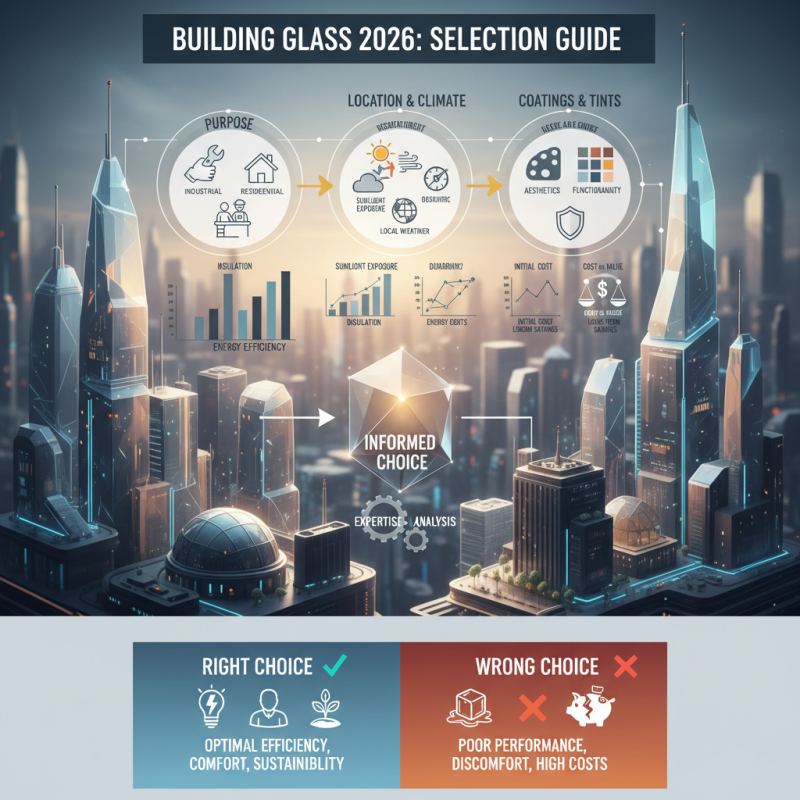
Considerations include the building’s purpose, location, and climate. Factors like sunlight exposure and local weather patterns will impact durability and energy costs. Different coatings and tints can enhance functionality. Yet, choosing the right glass is also about balancing cost and value. Ultimately, making an informed decision involves expertise and careful analysis.

Mistakes in glass selection can lead to regrets. Poor energy efficiency may increase long-term operational costs. In some cases, aesthetic choices might clash with environmental needs. Reflecting on these elements can prevent costly oversights. Understanding the nuanced world of architectural glass will empower stakeholders to make the best choices.
Choosing the Right Glass for Buildings in 2026 What to Know?

Understanding the Importance of Glass Selection in Modern Architecture

In modern architecture, glass selection is more than aesthetics. It influences energy efficiency, comfort, and safety. A recent report shows that up to 40% of a building's energy loss can result from poor glass choices. Making informed decisions is vital. Architects must consider factors like solar heat gain and ultraviolet protection during the design phase.

High-performance glazing options exist, yet they come with challenges. Different climates necessitate various types of glass. For instance, buildings in colder regions benefit from Low-E coatings, while hot climates favor reflective glazing. Selecting the right glass can significantly lower heating and cooling costs. However, striking the balance between performance and cost remains an ongoing challenge.

Safety is another crucial aspect of glass selection. Glass façades must meet safety standards due to their exposure. Reports indicate that glass failure can lead to severe injuries as well as property damage. In some cases, the choice of tempered versus laminated glass may seem trivial but can have serious implications for occupant safety. Each project demands careful analysis and, at times, a rethink of preconceived glass applications.

Choosing the Right Glass for Buildings in 2026: What to Know?

Glass Type Thermal Performance (U-Value) Solar Gain Coefficient (SGC) Visible Light Transmission (VLT) Applications
Low-E Glass 1.1 W/m²K 0.25 75% Commercial buildings, Residential homes
Triple Glazed Glass 0.9 W/m²K 0.22 68% Passive houses, Energy-efficient buildings
Tempered Glass 1.5 W/m²K 0.30 82% Curtain walls, Facades
Low Iron Glass 1.3 W/m²K 0.27 90% Showcases, Skylights
Acoustic Glass 1.4 W/m²K 0.20 70% Noise reduction applications, Urban buildings

Key Factors to Consider When Choosing Glass for Buildings

Choosing the right glass for buildings is crucial in today’s architectural design. Several key factors can influence this decision. For instance, energy efficiency is paramount. Glass can significantly affect a building's heating and cooling costs. Options include low-emissivity (low-e) coatings. These coatings reflect heat back, reducing energy consumption.

Another factor is safety. Building codes often require specific safety glass, especially in high-traffic areas. Laminated and tempered glass can withstand impacts better than regular glass. Sound insulation is also essential, especially in urban environments. Double-glazing or triple-glazing can help minimize noise transmission.

Aesthetics play a vital role as well. The glass chosen should complement the building's design. However, striking the right balance between function and appearance can be challenging. Reflective surfaces can enhance beauty but may create glare issues. Choosing glass involves understanding multiple facets. Not every option will be suitable for every project. It requires careful consideration and sometimes trial and error.

Types of Glass Suitable for Building Applications in 2026

Choosing the right glass for building applications in 2026 requires careful consideration. The options available have evolved significantly. Many designers are leaning towards high-performance glazing. This can improve energy efficiency while maximizing natural light.

One popular type is low-emissivity (low-E) glass. It reduces heat transfer, keeping interiors comfortable year-round. This is particularly beneficial in regions with extreme climates. Laminated glass is also gaining traction. It offers increased safety and sound insulation, vital in urban areas.

Architects are exploring smart glass, which can change opacity with heat or light. These innovations offer flexibility but can also pose challenges. The initial cost may be higher. Moreover, maintenance requirements vary with each glass type. Understanding these nuances is essential for optimal performance. Consideration of local weather and building use will shape the decision-making process.

Choosing the Right Glass for Buildings in 2026: Types of Glass Suitable for Building Applications

Energy Efficiency and Sustainability in Glass Choices

The choice of glass for buildings is critical in 2026, especially regarding energy efficiency and sustainability. Innovative glazing technologies can significantly reduce energy consumption. A well-designed glass exterior can limit heat transfer, making climates more bearable. Consider using triple glazing or low-emissivity coatings. These options can minimize the need for heating and cooling systems, benefiting both the environment and your utility bills.


Sustainable glass also embodies recycling and reuse. Many manufacturers offer options made from recycled materials. However, not all recycled glass meets energy efficiency standards. It’s essential to verify certifications and performance metrics. This reflects a commitment to sustainability and can enhance a building's overall value. Still, it’s important to be aware that sometimes these options come with higher upfront costs. Assessing the long-term benefits can help in decision-making.


Unconventional glass shapes and features are gaining popularity. These can enhance aesthetics while contributing to energy savings. Yet, balancing design and functionality can be complex. Consulting with experts can yield insights but may lead to conflicting opinions. Finding the right glass for your building is a journey filled with choices. Each decision affects energy use and sustainability. Prioritizing thoughtful glass selection can lead to meaningful progress in greener architecture.

Future Trends in Architectural Glass Technology and Design

As we approach 2026, the architectural glass landscape is evolving rapidly. Emerging trends focus on sustainability and performance. Glass innovations aim for energy efficiency and thermal control. According to a recent report by the Glass Association, energy-efficient glass can reduce heating costs by up to 30%. This shift is crucial as regulations tighten in many regions, calling for greater use of sustainable materials.

Architects are also leveraging smart glass technology. Electrochromic glass adjusts its tint based on sunlight, reducing glare and improving comfort. The global market for smart glass is projected to grow significantly, with estimates predicting a value exceeding $4 billion by 2026. This technology not only enhances aesthetics but also contributes to energy savings.

However, not all buildings can benefit equally from these technologies. Many structures may require retrofitting efforts that can be costly and complex. Additionally, potential supply chain issues could delay projects. It is important to weigh these factors when selecting glass solutions. Understanding the balance of cost, sustainability, and design intent is essential for successful architectural outcomes as we move forward.

FAQS

: What is the importance of energy efficiency in building glass selection?

: Energy efficiency is crucial as it impacts heating and cooling costs significantly. Low-e coatings help in reducing consumption.

Why is safety a critical consideration when choosing glass?

Safety is vital due to building codes that often mandate specific safety glass, particularly for high-traffic areas.

How can glass help with sound insulation in buildings?

Double-glazing and triple-glazing are effective in minimizing noise transmission, particularly in noisy urban environments.

What role do aesthetics play in selecting building glass?

Aesthetics are important as the glass must enhance the building's design, but function should not be compromised.

What are emerging trends in architectural glass technology?

Trends are focused on sustainability and performance, with innovations aimed at improving energy efficiency and thermal control.

How does smart glass technology contribute to building design?

Smart glass adjusts its tint with sunlight, reducing glare and enhancing comfort, while also contributing to energy savings.

What challenges might arise when retrofitting buildings with new glass technologies?

Retrofitting can be costly and complex; also, potential supply chain issues may delay project completion.

Are all glass options suitable for every building project?

No, not every glass option fits every project. It requires thoughtful consideration and sometimes trial and error.

How can reflective glass surfaces affect a building?

Reflective glass can enhance beauty, but may also create glare issues. Balancing aesthetics and function is challenging.

What should be considered when weighing the cost of glass solutions?

Consider the costs, sustainability, and design intent carefully for successful architectural outcomes.

Conclusion

In the evolving landscape of modern architecture, understanding how to choose the right glass for buildings is crucial for creating structures that are both aesthetically pleasing and functional. The selection process involves several key factors, including the glass's thermal performance, safety features, and suitability for various applications. As we look toward 2026, it is essential to consider the various types of glass available, such as low-emissivity and laminated glass, which offer enhanced energy efficiency and sustainability.

Moreover, innovations in architectural glass technology are shaping future design trends, emphasizing the importance of eco-friendly materials and smart glass options that adapt to changing environmental conditions. By prioritizing energy efficiency and sustainable practices, architects can significantly impact a building's overall performance and reduce its carbon footprint, demonstrating a commitment to responsible design in our urban spaces.

Mason

Mason

Mason is a seasoned marketing professional with a deep expertise in the company's offerings and a passion for driving brand awareness. With a strong background in digital marketing strategies, he has an innate ability to connect with diverse audiences and effectively communicate product benefits.......