Decorative glass has taken center stage in modern interior design. Designers and homeowners alike are captivated by its unique ability to blend functionality with art. This trend is not merely aesthetic; it reflects a deeper appreciation for craftsmanship and innovation.
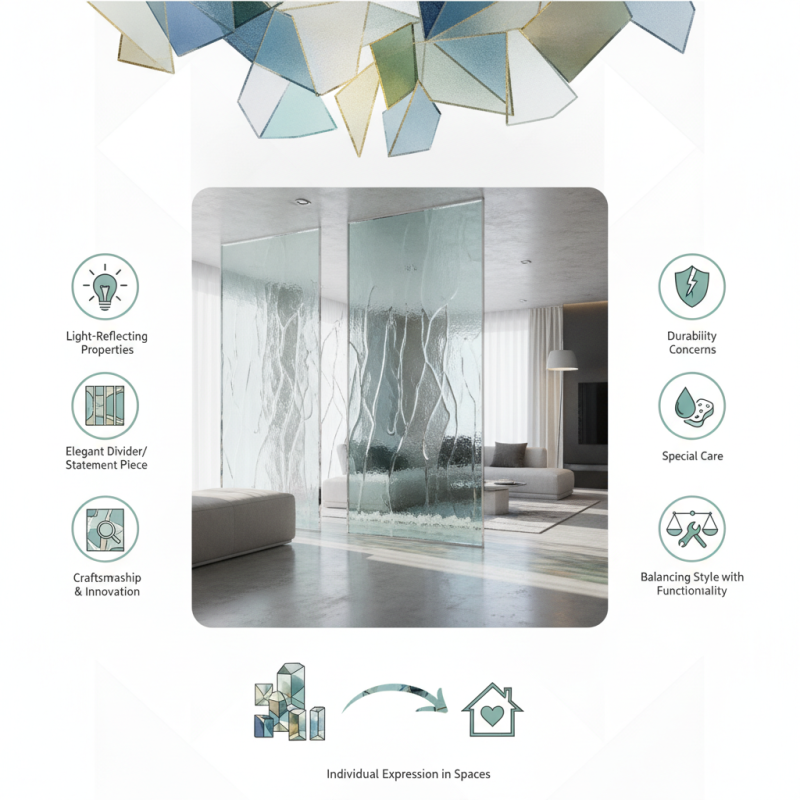
Why decorative glass is trending in interior design can be attributed to its versatility and appeal. It serves as an elegant divider, a statement piece, or a simple accent. Many admire its light-reflecting properties, which can transform a space. However, there are challenges to consider. Not all decorative glass is durable, and some may require special care.
The combination of beauty and practicality makes decorative glass a preferred choice. It resonates with those seeking individual expression in their spaces. As the trend grows, so does the need for thoughtful selections. Balancing style with functionality is essential for lasting satisfaction.
The Aesthetic Appeal of Decorative Glass in Modern Interiors
Decorative glass has emerged as a key element in modern interior design. Its unique visual qualities provide depth and texture to spaces. Clear, frosted, or colored glass can catch light in surprising ways. This interaction creates a dynamic atmosphere. The shimmering surfaces can enhance the drama of a room. They invite the eye to explore, reflecting the surrounding decor.
Using decorative glass is both a skill and an art. Designers often face challenges in selecting the right pieces. Not every glass type suits every space. For example, overly ornate designs can overwhelm a minimalist setting. A delicate balance is essential for harmony. When chosen wisely, glass finishes can complement various styles. They add sophistication while maintaining an open feel.
However, glass also requires careful consideration in maintenance. Smudges and fingerprints can detract from its beauty. Regular cleaning is essential to keep the aesthetic appeal intact. There is a line between stylish and impractical. Some designs may push boundaries, but they can also limit functionality. Reflecting on these aspects can enhance the overall impact of decorative glass in interiors.
The Versatility of Decorative Glass in Home Design Applications
Decorative glass serves as a powerful tool in modern interior design. Its ability to blend aesthetics with functionality makes it a sought-after choice. Available in various colors, textures, and patterns, glass can enhance any space. It offers a shiny surface that reflects light, creating an illusion of spaciousness. A small room can feel significantly larger with the right glass elements.
In kitchens, glass backsplashes can add elegance. They're easy to clean and resistant to stains. In living rooms, glass coffee tables can be both stylish and practical. The transparency lets the floor underneath show through. This can create a sense of continuity in the room. However, keeping glass clean can be a challenge. Fingerprints and dust require regular maintenance.
In bathroom design, frosted glass offers privacy while allowing natural light. This balances openness and seclusion effectively. Yet, the decision to use glass should be thoughtful. Excessive glass can make a space feel cold. It’s essential to combine glass with warmer materials for harmony. Decorative glass, when used wisely, can transform a home into a captivating and inviting environment.
Popularity of Decorative Glass in Modern Interior Design
Innovative Techniques in Decorative Glass Production
Decorative glass has seen a remarkable rise in popularity within modern interior design. Innovative techniques in production contribute greatly to this trend. Advances in technology allow for intricate patterns and textures that were once impossible to achieve. New methods, such as digital printing and sandblasting, enable artists and designers to create personalized pieces that resonate with contemporary aesthetics. These techniques have expanded the versatility of glass, making it a favored choice for everything from accent walls to room dividers.
Moreover, the use of recycled materials in decorative glass is gaining traction. This approach not only reduces waste but also adds unique character to each piece. The imperfections in recycled glass become talking points, reflecting a commitment to sustainability. However, this technique may not always produce uniform results, which some designers find challenging. This unpredictability can lead to exciting discoveries in design, yet it requires careful consideration of how each piece fits into an overall theme.
Furthermore, the way light interacts with glass can transform a space. Textured glass captures and refracts light, creating mesmerizing patterns. These effects can change throughout the day, offering dynamic visual interest. While some may see these variations as inconsistent, others embrace the evolving nature of glass design. Finding the right balance between beauty and function can be daunting, yet it also opens doors to endless creative possibilities.
Why is Decorative Glass Popular in Modern Interior Design? - Innovative Techniques in Decorative Glass Production
| Technique |
Description |
Applications |
Benefits |
| Etching |
A process of creating designs on glass using acids or sandblasting. |
Doors, windows, and art pieces. |
Adds elegance and depth to designs. |
| Fusing |
Combining multiple glass pieces by melting them together in a kiln. |
Decorative panels and installations. |
Allows for intricate and colorful designs. |
| Stained Glass |
Coloring glass with dyes and painting images on the surface. |
Windows, lamps, and art frames. |
Creates a vibrant atmosphere and unique light effects. |
| Laminating |
Sandwiching decorative materials between layers of glass. |
Glass partitions and protective panels. |
Increases safety and aesthetic value. |
| Sculpting |
Creating three-dimensional glass art pieces through carving. |
Art installations and centerpieces. |
Captivates attention and showcases craftsmanship. |
The Role of Light and Transparency in Decorative Glass Usage
Decorative glass is gaining traction in modern interior design, largely due to its capacity to manipulate light and create transparent spaces. The interplay of light with glass can transform any room. When sunlight filters through colored glass, it creates vibrant, shifting shadows. This effect adds depth and intrigue to home interiors. Using glass in room dividers or windows can open up spaces, making them feel larger and more inviting.
Tips for using decorative glass include choosing pieces that reflect your style. Textured glass can add an element of surprise, while clear glass maintains openness. Incorporate mirrors to amplify light and create an illusion of space. Opt for colored glass in small quantities to avoid overwhelming your design. When employing glass, consider how it interacts with existing lighting. Natural light can emphasize the beauty of your glass choices throughout the day.
However, not every glass application is successful. Poor placement can lead to harsh lighting or unwanted glare. It's essential to experiment before committing to a design. Be mindful of how often glare changes based on the time of day. Finding the right balance between transparency and decoration is key. Ultimately, decorative glass can be a powerful design tool, enhancing both aesthetics and functionality.
Cultural and Historical Influences on Decorative Glass Trends
Decorative glass has seen a resurgence, influenced by cultural and historical narratives. Its rich history includes ancient techniques from Egypt and Persia. These societies mastered intricate glasswork. Their legacy inspires modern designs in homes today. Patterns and colors often draw from these historical sources, creating a blend of old and new.
Incorporating decorative glass can transform any space. For instance, a stained glass window can serve as an art piece. It adds layers of light and color to a room. Additionally, using glass in functional items, like shelving, enhances aesthetic appeal while maintaining transparency.
Tips: Consider local artisans to find unique pieces. Each item tells a story. Explore various cultural influences when selecting glass decor. Remember, not every piece needs to match. A curated collection can create an intriguing visual narrative. Balancing modern aesthetics with historical references can lead to richer decor choices. Embrace imperfections; they often add character.
FAQS
: Decorative glass adds unique visual qualities. It enhances depth and texture, creating a dynamic atmosphere.
Designers face challenges selecting glass types. It's essential to achieve a balance for harmony in the space.
Glass can show smudges and fingerprints. Regular cleaning is important to maintain its aesthetic appeal.
Glass reflects light, creating an illusion of spaciousness. This is helpful in small rooms to make them feel larger.
Glass backsplashes in kitchens are elegant and easy to clean. Coffee tables can add style while showcasing the floor underneath.
Too much glass can make a space feel cold. It's crucial to combine glass with warmer materials for comfort.
Ancient techniques from Egypt and Persia inspire contemporary glasswork styles today, blending old and new aesthetics.
A collection allows for storytelling through unique items. Mixing various influences creates an intriguing visual narrative.
Balance is key; not all pieces need to match. Embrace imperfections, as they often add character to the decor.
Conclusion
Decorative glass has become increasingly popular in modern interior design for several compelling reasons. Firstly, its aesthetic appeal cannot be overstated; decorative glass pieces, ranging from stained glass windows to intricately designed partitions, add a touch of elegance and sophistication to various spaces. Additionally, the versatility of decorative glass allows it to be integrated into numerous applications, such as lighting fixtures, table tops, and wall art, making it an essential component of contemporary design.
Furthermore, innovative techniques in glass production continue to push the boundaries of creativity, enabling designers to experiment with textures, colors, and patterns. The role of light and transparency is also pivotal, as decorative glass can enhance natural light within a room, creating a sense of openness and warmth. Lastly, cultural and historical influences contribute to the trends in decorative glass, making it a reflection of both modern tastes and timeless artistry. These factors collectively explain why decorative glass is trending in interior design, as it seamlessly combines beauty, functionality, and a rich heritage.

 Greensina Glass