In today's world, privacy is a growing concern for many individuals and businesses. Urban spaces are becoming increasingly crowded, leading to more exposure to outside views. This creates a strong desire for solutions that enhance privacy without sacrificing natural light or aesthetic appeal. One promising method is to explore how to improve privacy with modern glass solutions. These innovative materials offer various options, such as tinted, frosted, or smart glass, which can provide both beauty and functionality.
Modern glass technology has evolved to address privacy needs effectively. Users can now select glass that adjusts transparency based on the surrounding environment. For example, electrochromic glass can change its tint at the touch of a button, allowing for instant privacy when needed. Additionally, decorative films and textures can be applied to existing windows, offering a quick and economical way to enhance privacy. However, some may find these technologies costly, or they may struggle with installation complexities.
It's essential to weigh the benefits against potential drawbacks. Not everyone may be aware of the variety of options available for privacy enhancement. With any modern solution, consumers must consider their long-term investment and functionality. Understanding how to improve privacy with modern glass solutions requires a combination of knowledge, careful selection, and awareness of individual needs.
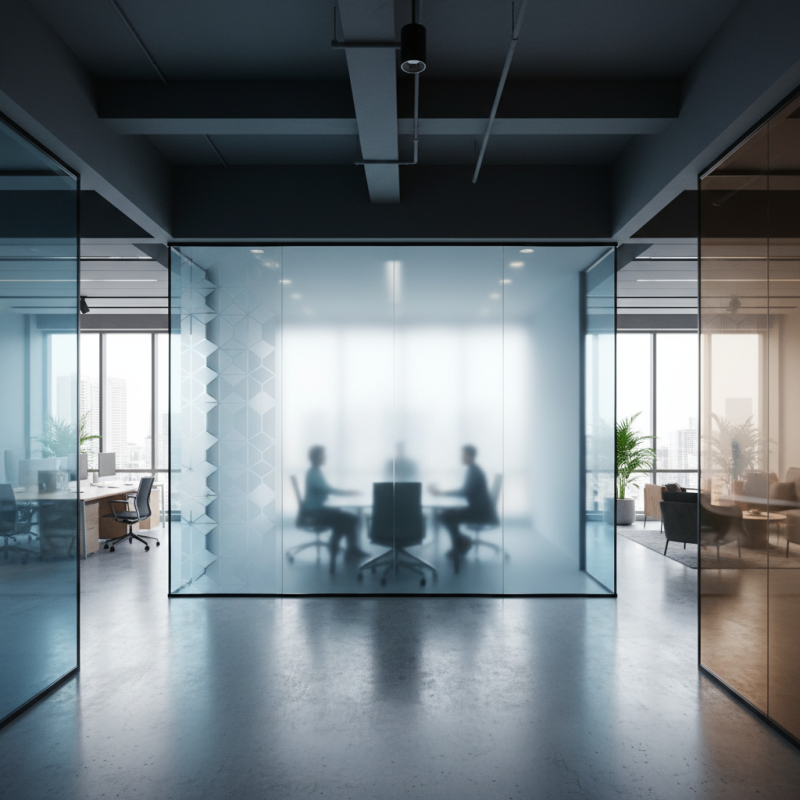
Modern glass solutions offer a unique way to enhance privacy in both residential and commercial spaces. One of the most relevant options is frosted or etched glass. This type of glass allows light to flow in while obstructing clear views. Its use in conference rooms can create a sense of privacy without sacrificing natural illumination. Installing such glass panels in homes can also transform bathrooms into serene retreats.
Smart glass technology is another innovative approach. It can switch from transparent to opaque at the touch of a button. This feature is particularly useful in urban environments, where homes are often exposed to passersby. Despite its advantages, smart glass can be an expensive investment. Homeowners must weigh the costs against the benefits. In addition, while modern glass solutions enhance privacy, they can sometimes lead to too much isolation. Balancing openness with seclusion is essential in effective design. Finding the right level of transparency can provoke deeper considerations about personal space and connectivity.
Privacy glass technologies have become essential in modern architecture and interior design. These solutions enhance confidentiality while maintaining aesthetic appeal. Various types of privacy glass available today cater to distinct needs and preferences.
One popular option is switchable glass. This technology allows users to alter transparency with the flip of a switch. According to a recent industry report, the market for switchable glass is projected to grow at a CAGR of 20% from 2022 to 2028. This remarkable growth indicates increasing demand in commercial settings, like offices and conference rooms. Additionally, this type of glass can also contribute to energy efficiency, reducing HVAC load by controlling the sun's heat.
Another notable technology is frosted glass. It obscures visibility while allowing natural light to filter through. This material is commonly used in residential areas, such as bathroom windows. A report from the Glass Association notes that 30% of homeowners seek privacy solutions that also allow light, highlighting the importance of balancing aesthetics and practicality. Reflective glass, too, is a viable option. It provides privacy during the day by creating a mirror-like effect from the outside. However, it requires careful consideration for nighttime use, as it becomes transparent when interior lights are on. This aspect often prompts discussions about effective privacy strategies in urban environments.
Privacy glass offers innovative solutions for both residential and commercial spaces. In homes, this technology serves various purposes. For instance, it can obscure views without sacrificing natural light. Sliding glass doors or bathroom windows can benefit from this feature, enhancing comfort and relaxation. Imagine bathing in serene privacy while maintaining a bright atmosphere.
In commercial settings, privacy glass is equally valuable. Conference rooms often require discretion during meetings. A frosted glass wall can ensure that discussions remain confidential. Employees may also feel more secure in open office layouts with glass partitions that provide privacy on demand. This solution utilizes smart technology, altering transparency based on user needs.
However, there are challenges to consider. Not all users may find privacy glass a perfect solution. It can be costly to install and maintain. Moreover, the technology may not suit every design aesthetic. Assessing these factors is crucial before making decisions. Every space has its unique requirements, inviting options for reflection and evaluation.
Modern privacy glass offers unique benefits that enhance both security and aesthetics in various settings. This type of glass can obscure visibility while allowing natural light to flow through, making it ideal for homes and offices alike. The sleek, contemporary look of privacy glass can elevate the design of any space, providing both elegance and functionality. However, its effectiveness largely depends on the specific installation and context, which requires careful consideration.
Tips for maximizing the benefits of privacy glass include assessing the specific needs of each area. In bathrooms, for instance, use high-transparency privacy glass to maintain both light and seclusion. For offices, consider glass partitions that offer privacy while encouraging an open feel. Reflective coatings can add an extra layer of defense, making it difficult for outsiders to see inside without sacrificing aesthetic appeal.
Remember, privacy glass is not a one-size-fits-all solution. Depending on the setting, you may need to test different styles and types to find what works best. Be prepared to adapt your choices based on how light interacts with various elements throughout the day. Thoughtful planning can lead to a harmonious balance between privacy and design.
| Aspect | Description | Benefits |
|---|---|---|
| Privacy | Frosted or tinted glass that obscures visibility from the outside while allowing light in. | Increased personal privacy in homes and offices, reducing unwanted attention. |
| Security | Laminated glass that holds together when shattered, providing safety from break-ins. | Enhanced security with reduced risk of glass shattering during an attempted break-in. |
| Aesthetics | Variety of modern designs and finishes available for enhancing building appearance. | Improved visual appeal, adding a contemporary touch to architecture. |
| Energy Efficiency | Smart glass that can adjust tint based on sunlight, improving thermal regulation. | Lower energy costs through reduced reliance on heating and cooling systems. |
| Sound Reduction | Acoustic glass designed to minimize external noise interference. | More tranquil indoor environments, increasing comfort in residential and commercial spaces. |
Modern glass solutions are transforming the concept of privacy in architectural design. A recent report from MarketsandMarkets estimates that the privacy glass market will grow from $3.2 billion in 2023 to $5.6 billion by 2028, highlighting significant advancements in this field. Innovations in smart glass technologies, such as switchable and electrochromic glass, are gaining traction. These technologies allow users to control when and how glass becomes opaque, providing tailored privacy solutions.
One notable trend is the integration of privacy glass in smart home systems. Homeowners now seek ways to enhance both aesthetics and functionality. For instance, the ability to switch transparent glass to frosted can improve comfort in various settings, from residential bathrooms to corporate boardrooms. According to a study by the International Glass Association, more than 60% of consumers are interested in smart glass technology for its energy-saving capabilities, alongside privacy benefits.
While the advancements are impressive, it’s essential to remain aware of their limitations. Cost can be a barrier for many; initial investments might outweigh benefits for some users. Additionally, the technology's functionality may not always meet expectations in outdoor settings. Exploring these elements can lead to better-informed decisions in enhancing privacy with modern glass solutions.
: Frosted glass allows light in while blocking clear views. It's ideal for bathrooms and conference rooms.
Smart glass can change from clear to opaque with a button press. This offers convenience for privacy control.
Smart glass can be expensive. Some homeowners might feel the costs outweigh the benefits for their needs.
Switchable glass changes transparency, providing flexibility in privacy. It's gaining popularity in commercial spaces.
Reflective glass offers daytime privacy but becomes see-through at night. Users need to plan carefully for nighttime use.
The privacy glass market is projected to grow significantly by 2028, driven by innovations and demand for aesthetic solutions.
Evaluate the space, energy efficiency, and long-term maintenance. It's crucial for making informed decisions.
Modern options might isolate users too much. Finding a balance between privacy and openness can be challenging.
Modern glass solutions offer innovative ways to enhance privacy in various settings. By utilizing advanced technologies such as smart glass and frosted films, individuals and businesses can create private environments without sacrificing natural light. Understanding the different types of privacy glass technologies available today is crucial for selecting the right solution that fits specific needs.
Applications of privacy glass span residential and commercial spaces, providing both security and aesthetic benefits. As trends evolve, the future of privacy glass innovations promises even more advancements, allowing for greater versatility and enhanced functionality. Learning how to improve privacy with modern glass solutions not only safeguards personal spaces but also elevates the overall design and feel of an environment.

Greensina Glass