In today’s architectural landscape, the integration of glass in building design is becoming increasingly vital. A recent report from the International Glass Association reveals that up to 40% of energy costs in commercial buildings can be reduced by optimizing natural light. This data underscores the importance of understanding how glass improves natural lighting in buildings.
Architectural expert Dr. Emily Sanders states, “The right glass selection can transform how light interacts within a space.” By enhancing daylighting, glass not only contributes to aesthetic appeal but also boosts occupant well-being. Natural light has been linked to higher productivity levels and better mental health outcomes. However, reliance on glass can present challenges. Overexposure to sunlight may lead to glare or excessive heat gain, necessitating thoughtful design solutions.
As architects push boundaries, the balance between form and function remains critical. While glass can elevate interior environments, careful consideration of its properties is essential. Finding the right ratio of glass to solid materials is a continuing challenge in modern architecture. Despite advancements, this journey requires ongoing reflection on the interplay of glass and light as we strive to create better living and working spaces.
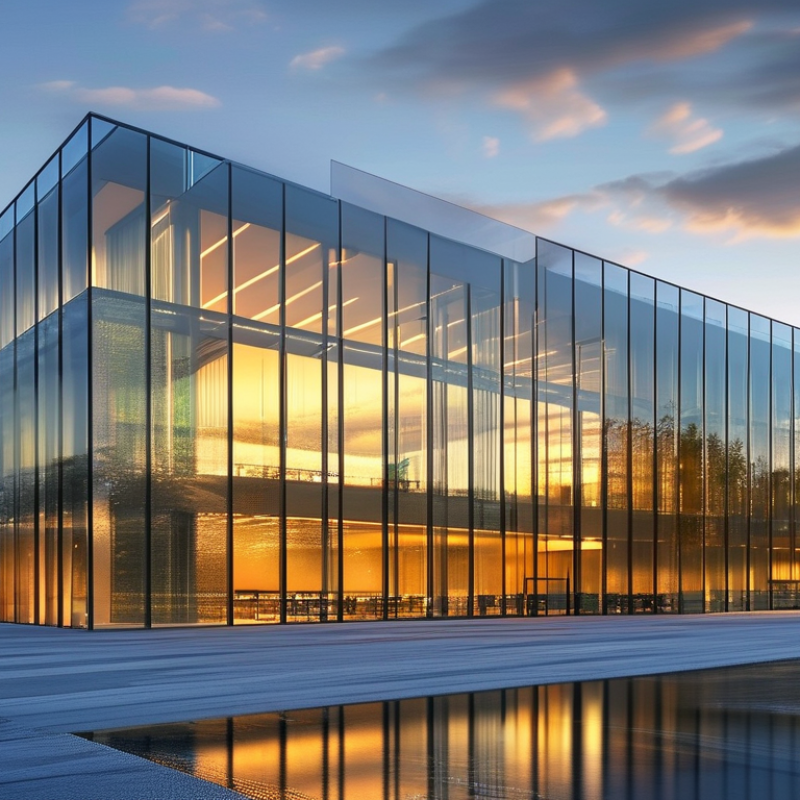
Glass has become a central element in modern architectural design, transforming how natural light is utilized in buildings. Its transparency allows buildings to connect with their environment. Studies indicate that buildings with extensive glass façades can reduce energy consumption for lighting by up to 30%. This presents an opportunity for architects to create spaces that are both energy-efficient and aesthetically pleasing.
Natural lighting enhances occupant well-being. Research by the American Society of Interior Designers (ASID) indicates that 73% of people prefer working in spaces filled with natural light. This preference enhances productivity and mood. However, it also poses challenges. Excessive glare and heat can lead to discomfort. Architects must balance light and heat control through innovative glazing technologies, such as low-e coatings and double-glazing.
The role of glass also extends to sustainability. A report by the U.S. Green Building Council highlighted that buildings using energy-efficient glass contribute positively to LEED certification. Nonetheless, the environmental impact of glass production remains a concern. Architects face the ongoing challenge of sourcing materials that are both responsible and effective in light management. The dialogue around glass in architecture continues to evolve.
In modern architecture, the choice of glass plays a crucial role in enhancing natural lighting. Various types are used, each contributing uniquely to daylight optimization. Solar control glass, for instance, minimizes glare while allowing ample sunlight. This type of glass can reject up to 60% of solar heat while still permitting visible light to enter, creating a comfortable indoor environment.
Low-emissivity (Low-E) glass is another popular option. It reflects infrared light while allowing visible light to pass through. This feature improves energy efficiency, cutting heating costs by approximately 30%. Moreover, laminated glass can provide additional safety and sound insulation. Its layered construction reduces noise pollution without sacrificing transparency.
Despite these advantages, the choice of glass can present challenges. Over-reliance on large glass panels may lead to overheating in warmer climates. Architects must balance aesthetic appeal with energy performance. Studies show that optimal daylight exposure can boost productivity by up to 20%. However, it's vital to consider the local climate and building orientation when selecting the right glass type for natural lighting.
| Type of Glass | Properties | Benefits for Natural Lighting | Common Applications |
|---|---|---|---|
| Low-E Glass | Reflects infrared light, minimizing heat transfer | Enhances natural daylight while controlling heat gain | Residential and commercial buildings |
| Tinted Glass | Colored during manufacturing, reducing glare | Controls sunlight levels while maintaining visibility | Offices, retail outlets, and schools |
| Clear Glass | Standard glass allowing maximum light transmission | Provides unobstructed views and natural lighting | Windows, skylights, and facades |
| Fritted Glass | Glass coated with ceramic frit for texture | Mitigates glare while maximizing diffuse natural light | Commercial and public buildings |
| Smart Glass | Changes transparency with an electrical current | Offers control over light admission, enhancing comfort | High-end residential and office spaces |
Integrating glass into modern buildings enhances natural lighting significantly. By thoughtfully incorporating large glass panels, designers can create spaces that feel open and welcoming. Using floor-to-ceiling windows allows sunlight to flood interior rooms. The effect is both aesthetic and practical, reducing the need for artificial lighting during the day.
Consider using skylights in your designs. They bring natural light deep into the heart of a building. This technique can transform darker areas into vibrant spaces. However, one must also think about heat gain and glare. Balancing light and comfort is key to successful integration.
Natural lighting in buildings can profoundly affect occupant well-being. This natural light promotes physical health and enhances mood. Studies show that exposure to daylight improves productivity and reduces stress. When people work in well-lit spaces, they tend to feel more energetic and focused.
Moreover, natural light influences our circadian rhythms. This impacts sleep quality, which is critical for cognitive function. Improved sleep leads to better concentration and improved mental health. However, it is important to balance light exposure throughout the day. Too much exposure can cause discomfort and distraction. Architects must consider this when designing spaces.
Glass is a powerful tool in modern architecture. It allows natural light to flood in, creating uplifting environments. Yet, finding the right balance between light and glare is essential. Without careful planning, spaces can become overwhelming. It is necessary to incorporate shades or films that soften harsh light. Thoughtful design can harness the benefits of natural light while maintaining comfort for occupants.
Modern buildings increasingly utilize glass to promote sustainability and energy efficiency. Large windows and glass facades allow natural light to penetrate deep into interiors. This reduces the need for artificial lighting, which lowers energy consumption throughout the day. However, the effectiveness of this strategy depends on proper orientation and shading. Poor choices can result in excessive heat gain, which may require additional cooling costs.
Using energy-efficient glass can further enhance sustainability. Materials that reflect heat while allowing sunlight can balance indoor temperatures. This approach minimizes the dependency on HVAC systems, reducing energy bills and carbon footprints. Yet, the initial investment in quality glass can be daunting for some builders and architects. Reflecting on long-term benefits and sustainability can ease these concerns.
Natural light is not just about aesthetics; it influences well-being and productivity. Bright, airy spaces improve mood, enhancing the workplace environment. However, too much glare can make spaces uncomfortable. Striking a balance is essential. Thoughtful design paired with glass technologies can create harmonious, efficient spaces.
: Glass enhances natural light use, creating environments that connect with their surroundings.
Extensive glass façades can reduce lighting energy consumption by up to 30%, improving efficiency.
Natural light boosts mood and productivity, with 73% of people preferring light-filled spaces.
Excessive glare and heat can cause discomfort, requiring careful light and heat control in designs.
Energy-efficient glass aids in LEED certification but raises concerns about environmental impact during production.
Solar control glass minimizes glare while allowing sunlight, while Low-E glass improves energy efficiency.
Large glass panels may lead to overheating in warmer climates, posing a challenge in building design.
Laminated glass provides safety and sound insulation while maintaining transparency, which is advantageous.
Optimal daylight exposure can increase productivity by up to 20%, but climate and orientation must be considered.
Architects need to balance aesthetics and energy performance, considering local climate and building orientation.
In modern architectural design, the use of glass plays a pivotal role in enhancing natural lighting within buildings. Various types of glass, including low-emissivity and double-glazed options, are utilized to maximize daylight while minimizing heat loss. Techniques such as strategically placed glass facades, skylights, and light wells are integrated into structures to not only flood interiors with natural light but also to create aesthetic appeal.
The benefits of natural lighting extend beyond mere illumination; studies indicate that it significantly improves occupant well-being by boosting mood, productivity, and overall health. Additionally, glass-enhanced buildings contribute to sustainability and energy efficiency, as they reduce reliance on artificial lighting and leverage passive solar heating. Overall, understanding how glass improves natural lighting in buildings is essential for architects aiming to create healthier, more sustainable living environments.

Greensina Glass