Glass is more than just a building material; it plays a crucial role in green building design. Understanding how glass contributes to green building design reveals its multifaceted benefits. From energy efficiency to natural light enhancement, glass is pivotal in reducing the carbon footprint of structures.
The transparency of glass allows for abundant natural light, reducing the need for artificial lighting. This can lead to significant energy savings. Moreover, advancements in glass technology have introduced smart glass options. These can regulate heat and light without sacrificing aesthetics. However, while glass offers these benefits, it also poses challenges, such as heat loss in colder climates.
Architects and designers must contemplate these trade-offs. The integration of glass requires careful consideration of insulation and sustainability. Overall, glass stands out as a transformative element in green building design, promoting a healthier environment and fostering energy efficiency.
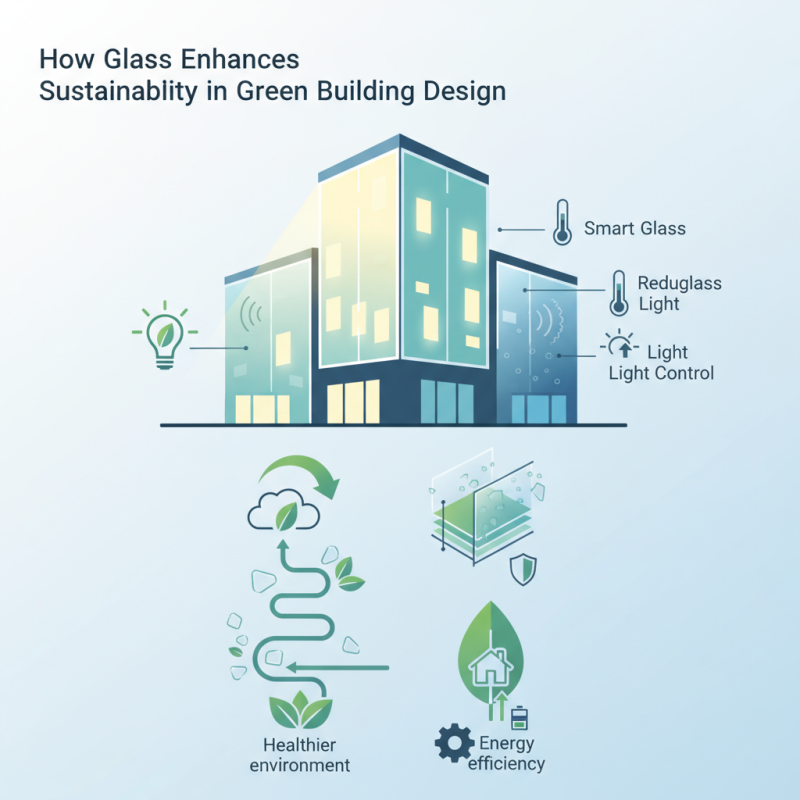
Natural light plays a vital role in energy efficiency within green building design. Utilizing glass effectively allows for abundant sunlight, reducing reliance on artificial lighting. This not only cuts energy consumption but also enhances the overall well-being of occupants. Spaces filled with natural light can improve mood and productivity.
However, maximizing natural light isn’t without challenges. Proper orientation and selection of glass are necessary to prevent overheating. While large windows can flood spaces with sunlight, they can also lead to excessive heat gain in warmer months. Balancing sunlight with thermal comfort requires thoughtful design choices.
Moreover, glass must be integrated with other sustainable materials. It shouldn't stand alone in the quest for energy efficiency. The right combination can significantly impact a building's overall performance. Reflecting on these factors is essential for achieving a truly sustainable design. Each decision counts, influencing both environmental impact and user comfort.
Glass plays a crucial role in enhancing the thermal performance of green building structures. Recent studies indicate that energy-efficient glass can reduce heating and cooling costs by as much as 30%. This reduction is significant, especially as buildings account for approximately 40% of global energy consumption, according to the World Green Building Council. Using advanced glazing technology, architects can optimize natural light while minimizing heat loss.
However, not all glass is the same. Low-emissivity (Low-E) coatings can dramatically improve insulation. These coatings reflect infrared energy while allowing natural sunlight to penetrate. A report from the U.S. Department of Energy highlights that well-designed glazing can increase the total energy performance of a building by over 50%. This shows the potential benefits, but the installation costs can still be a barrier for some projects.
The challenge remains in striking a balance. Too much glass can lead to overheating in warmer months, forcing air conditioning usage. There’s a need for careful consideration of climate and building orientation. It is crucial to assess the local environment for optimal performance. Architects must also remain informed about evolving glass technologies and their impact on sustainability.
Recycled glass is a remarkable material in sustainable construction. It plays a crucial role in reducing waste. According to the Glass Packaging Institute, recycling glass can save up to 1,000 kilograms of raw materials for every ton recycled. This process minimizes landfill waste significantly. Around 80% of glass can be recycled endlessly without losing its quality. This characteristic makes it ideal for eco-friendly building practices.
Moreover, the energy savings are compelling. A study by the U.S. Environmental Protection Agency indicates that recycling glass saves 42% of the energy required to produce new glass. This reduction is vital in combating climate change. However, the recycling process has challenges. Contamination from non-recyclable materials can lead to lower quality glass. It’s essential to emphasize proper sorting and cleaning to maximize the benefits.
Incorporating recycled glass into building designs enhances both aesthetics and functionality. For instance, glass can be used in insulation products and decorative elements. The visual appeal and energy efficiency of glass structures can attract more sustainable investments. Yet, without proper regulations and consumer awareness, the potential of recycled glass is often underutilized. This gap needs addressing for a truly sustainable future in construction.
Innovative glass technologies are transforming green building design. These advancements offer enhanced insulation and durability, making buildings more sustainable. For instance, low-emissivity glass reflects heat while maintaining natural light. This feature reduces energy costs and keeps interiors comfortable.
Another exciting development is the use of triple glazing. It provides superior insulation compared to standard double glazing. The extra layer of glass traps more air, creating a barrier against temperature fluctuations. Buildings with triple glazing require less energy for heating and cooling. However, the initial cost can be higher, which raises questions about long-term viability.
Smart glass is also gaining traction. It can adjust transparency based on sunlight. This allows for better light management without compromising privacy. Yet, the technology still has limitations. It may not perform equally well in all climates. We must continue to evaluate these innovations, ensuring they meet diverse building needs efficiently.
| Technology | Insulation Value (U-Value) | Durability (Years) | Recyclability (%) | Solar Heat Gain Coefficient (SHGC) |
|---|---|---|---|---|
| Triple Glazing | 0.3 | 50 | 90 | 0.25 |
| Low-E Coated Glass | 0.2 | 40 | 95 | 0.22 |
| Vacuum Insulated Glass | 0.5 | 30 | 85 | 0.18 |
| Smart Glass | 0.6 | 25 | 80 | 0.30 |
| Thermally Broken Frames | 0.4 | 45 | 90 | 0.28 |
Glass plays a crucial role in enhancing the aesthetics and sustainability of green building design. Its translucency allows natural light to penetrate spaces, reducing the need for artificial lighting. A study by the U.S. Department of Energy highlights that using natural light can decrease energy consumption by up to 20%. This not only lowers operational costs but also promotes a healthier indoor environment.
Moreover, glass can significantly improve energy efficiency through advanced technologies. For instance, low-emissivity (Low-E) glass reflects heat while allowing sunlight in. This results in better thermal performance. The American Council for an Energy-Efficient Economy notes that using high-performance glass can reduce heating and cooling energy needs by 10-15%. This approach supports the creation of eco-friendly spaces that resonate with modern sustainability goals.
While glass provides numerous benefits, there are challenges to consider. The initial cost of high-quality glass and its environmental impact during production can be concerning. Moreover, improper installation might lead to issues like thermal shock. Addressing these concerns requires careful planning and expert knowledge. Integrating glass sustainably in buildings demands a balance between aesthetics, functionality, and environmental impact.
: Natural light reduces reliance on artificial lighting, cutting energy consumption. It also enhances occupant well-being and productivity.
Challenges include preventing overheating and balancing thermal comfort. Proper glass selection and orientation are essential considerations.
Energy-efficient glass can reduce heating and cooling costs by up to 30%. This significantly impacts a building's energy consumption.
Low-E coatings improve insulation by reflecting infrared energy while allowing sunlight to enter. They can enhance a building's energy performance.
Recycled glass minimizes landfill waste and saves energy in production. It can be recycled endlessly without losing quality.
Contamination from non-recyclable materials can reduce quality. Proper sorting and cleaning are crucial for maximizing benefits.
Recycled glass can enhance aesthetics and functionality in insulation products and decorative elements, attracting sustainable investments.
Large windows can flood spaces with sunlight but may also lead to excessive heat gain. Balance is key for thermal comfort.
Evolving technologies affect sustainability and performance. Architects must adapt their designs to optimize energy efficiency.
Glass alone isn't enough for energy efficiency. A thoughtful combination with other materials significantly enhances overall performance.
The article "How Glass Enhances Sustainability in Green Building Design" explores the multifaceted role of glass in promoting environmental efficiency. It highlights how glass contributes to green building design by maximizing natural light, which reduces reliance on artificial lighting and lowers energy consumption. Furthermore, the thermal performance of glass in contemporary structures enhances energy efficiency by maintaining optimal indoor temperatures and minimizing heating and cooling needs.
Additionally, the use of recycled glass in construction not only lessens waste but also supports sustainable practices in the industry. Innovative technologies in glass manufacturing further improve insulation and durability, ensuring long-lasting building materials. Besides these technical benefits, the aesthetic appeal of glass can create inviting and harmonious spaces that reflect ecological considerations, ultimately demonstrating how glass contributes to green building design by marrying functionality with environmental responsibility.

Greensina Glass