In modern architecture, energy efficiency is crucial. More buildings use glass for its aesthetics and functionality. But how glass helps reduce energy consumption in buildings is a key concern. This material acts as a barrier, regulating heat transfer. It allows natural light to enter while minimizing the need for artificial lighting.
High-performance glass reduces heating and cooling costs. It can reflect or absorb solar energy, depending on the design. For instance, double-glazed windows can significantly lower energy loss. However, not all glass is equal. Some types can lead to excessive heat gain, resulting in increased cooling demands.
Choosing the right glass is essential for sustainable building practices. Proper installation and orientation further enhance its benefits. Awareness of how glass integrates into a building’s energy strategy is vital. This knowledge can lead to more informed decisions, improving overall energy performance.
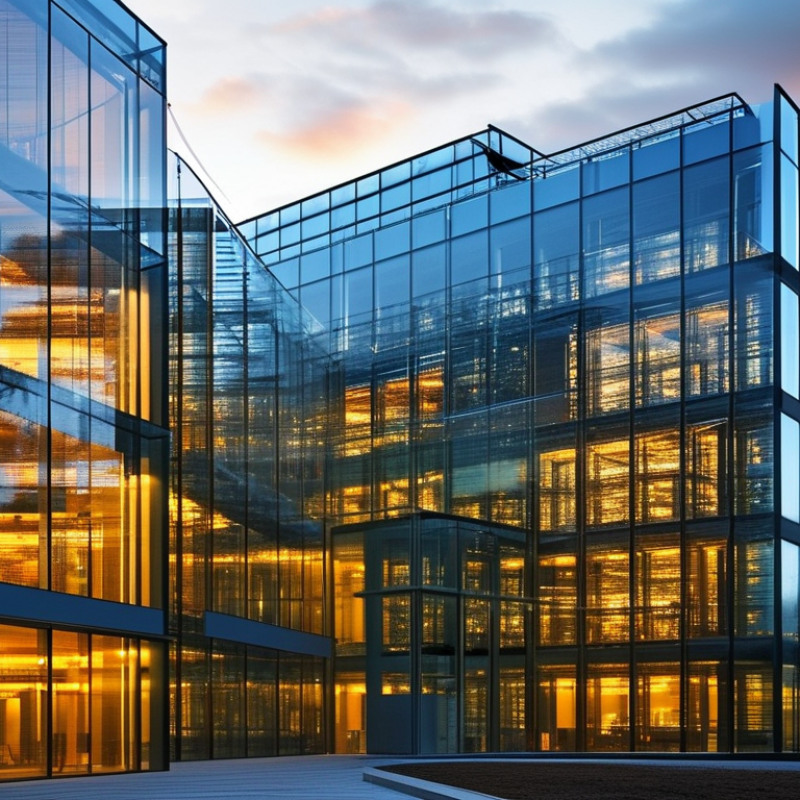
The Role of Glass in Energy Efficiency for Buildings
Glass plays a crucial role in enhancing the energy efficiency of buildings. By allowing natural light to penetrate deeper into interiors, glass reduces the reliance on artificial lighting. According to the U.S. Department of Energy, the right glass can decrease energy usage for lighting by approximately 30%. This significant reduction contributes to lower operational costs and a smaller carbon footprint.
Architects increasingly opt for advanced glazing technologies. Options like low-emissivity (Low-E) glass help regulate heat transfer. Data from the National Renewable Energy Laboratory shows that buildings with Low-E glass can cut heating and cooling costs by 10-20%. Additionally, these advanced glass products help maintain comfortable indoor temperatures, promoting occupant well-being.
Tips for optimizing glass use include selecting energy-efficient windows and incorporating shading devices. Using strategically placed exterior shades can further minimize solar heat gain. Always consider the building's orientation and local climate. Reflect on the balance between aesthetics and functionality. Ensure the glass used meets specific energy performance criteria to achieve the best benefits.
Types of Energy-Efficient Glass Used in Construction
Energy-efficient glass plays a pivotal role in modern construction. Various types of glass significantly reduce energy consumption in buildings. Solar control glass, for instance, reflects a substantial amount of solar radiation while allowing natural light to filter through. According to a study by the Lawrence Berkeley National Laboratory, using high-performance glazing can cut cooling costs by up to 30%. This data underscores the potential savings for building owners and occupants alike.
Another type is low-emissivity (low-E) glass, which minimizes heat transfer. Low-E glass features a thin coating that reflects heat back into the building during winter and blocks solar heat in summer. The U.S. Department of Energy reports that low-E windows can improve energy efficiency by 12% to 30%. Such a range demonstrates the variability in performance based on climatic conditions and building orientation.
Although advancements in glass technology are impressive, challenges remain. The initial cost of high-efficiency glass can be a barrier to adoption. Additionally, not all installations guarantee optimal performance. Factors such as insulation quality and installation technique play a critical role. This highlights the need for careful selection and professional expertise in glazing choices to maximize energy savings effectively.
Impact of Different Types of Energy-Efficient Glass on Energy Consumption in Buildings
Mechanisms by Which Glass Reduces Energy Consumption
Glass plays an essential role in energy efficiency within buildings, driven by several key mechanisms. Its transparency allows for natural light to penetrate interiors, reducing the need for artificial lighting during the day. This not only saves electricity but also creates a pleasant atmosphere. Many architects emphasize the importance of optimizing daylight access in design. However, improper placement can lead to glare, impacting comfort.
Additionally, modern glass technologies, such as low-emissivity (low-E) coatings, significantly improve insulation. These coatings reflect heat while allowing natural light, maintaining indoor temperatures. This minimizes reliance on heating and cooling systems. Yet, some may overlook the need for proper window placement and insulation in the building envelope. Each project requires careful consideration to avoid excessive heat gain in summer or heat loss in winter.
Beyond thermal performance, glass also contributes to acoustic insulation. Laminated glass can dampen noise, enhancing the indoor environment. However, in urban areas, soundproofing might not be fully effective if the building design does not account for external noise sources. The effectiveness of glass in energy conservation hinges on thoughtful integration into the overall architecture. Striking a balance between aesthetics and functionality is crucial for realizing its full potential.
Case Studies Demonstrating Glass Impact on Building Energy Use
Glass plays a crucial role in energy efficiency for buildings. Many case studies highlight how thoughtful glass use can dramatically reduce energy consumption. In modern architecture, glass facades are common. These structures capitalize on natural light, reducing the need for artificial lighting during the day. For instance, an office building in a metropolitan area was able to cut lighting costs by 40% just by implementing larger glass surfaces.
Buildings with insulated glazing demonstrate remarkable energy savings. One case study revealed that a residential complex used low-emissivity (low-e) glass. This type of glass minimizes heat loss, leading to a 30% reduction in heating costs during winter months. Moreover, the same complex reported lower air conditioning expenses in summer due to better temperature regulation.
Consider how glass choices impact energy efficiency. A well-placed window can brighten interiors. Choosing the right type of glass can lead to significant savings. Pay attention to orientation and shading elements. It's worth noting that not all glass solutions are perfect; sometimes it can lead to overheating in direct sunlight. Therefore, balancing aesthetics and performance is essential.
How Glass Lowers Energy Consumption in Buildings Effectively?
| Building Type |
Glass Type |
Energy Savings (%) |
Region |
Case Study Year |
| Office Building |
Low-E Glass |
30% |
North America |
2020 |
| Residential Home |
Triple Glazing |
25% |
Europe |
2019 |
| Retail Store |
Smart Glass |
20% |
Asia |
2021 |
| Hospital |
Photovoltaic Glass |
35% |
North America |
2022 |
| Educational Facility |
Low-iron Glass |
15% |
Oceania |
2023 |
Future Trends in Glass Technology for Sustainable Architecture
As we move forward in sustainable architecture, glass technology plays a pivotal role. Recent innovations aim to enhance energy efficiency. Designers are exploring insulated glazing systems that retain heat during winter and keep buildings cool in summer. This shift not only reduces reliance on heating and cooling systems but also lowers overall energy consumption. Natural light utilization embedded within design is another growing trend.
Reflecting on the potential downsides, some glass applications struggle with durability and maintenance. High-performance glass often comes with additional costs. Additionally, the energy required for production can offset its benefits if not managed properly. However, developments in recycled glass and advanced coating technologies offer promising solutions. These methods enhance insulation while addressing environmental concerns.
The future holds potential for dynamic glass, capable of adjusting opacity to control sunlight. Such innovations can lead to smarter buildings with automatic light control. As architects and engineers collaborate, glass will continue to evolve. This evolution will shape how we perceive space and energy efficiency in architecture. Addressing challenges along the way will be crucial.
FAQS
: Glass allows natural light inside, reducing the need for artificial lighting. This leads to significant energy savings.
Proper glass can reduce lighting energy usage by approximately 30%. This decreases overall operational costs.
Low-E glass regulates heat transfer. It keeps buildings warmer in winter and cooler in summer.
Buildings with Low-E glass can reduce heating and cooling costs by 10-20%. This improves occupant comfort.
Choose energy-efficient windows and consider shading devices. Orientation and local climate are also important.
Solar control glass reflects solar radiation and lets natural light in. It can significantly reduce cooling costs.
The high initial cost can deter adoption. Optimal performance depends on installation quality and insulation.
Careful selection and professional installation are crucial. Not all installations yield the same benefits.
While attractive designs matter, they should not compromise energy efficiency and performance.
Variability occurs due to climatic conditions, building orientation, and the type of glass chosen.
Conclusion
The article explores how glass helps reduce energy consumption in buildings by highlighting its crucial role in energy efficiency. It discusses various types of energy-efficient glass used in construction, such as low-emissivity (low-E) glass, which controls heat transfer while allowing natural light to penetrate. The mechanisms by which glass reduces energy consumption include improved insulation, reduced HVAC loads, and enhanced daylighting, leading to lower reliance on artificial lighting.
Additionally, the article presents case studies that demonstrate the significant impact of glass on building energy use, showcasing successful implementations that lead to substantial energy savings. Lastly, it examines future trends in glass technology that aim to further promote sustainable architecture, ensuring that buildings remain energy-efficient and environmentally friendly. Overall, the article emphasizes the importance of glass as a key component in reducing energy consumption in modern buildings.

 Greensina Glass