Why Does Glass Reduce Energy Consumption in Buildings?

Time:2026-05-11 Author:Aria
0%

In modern architecture, the role of glass goes beyond aesthetics. It plays a crucial role in energy efficiency. Understanding how glass helps reduce energy consumption in buildings is essential for sustainable design. Innovative glass technologies can significantly improve energy performance.

Glass can optimize natural light, reducing the need for artificial lighting. Large windows create a connection with the outdoors while enhancing indoor comfort. However, excessive glazing can lead to increased heat gain in summer, making cooling systems work harder.

Careful selection of glass types, such as low-emissivity coatings, can mitigate heat transfer. These advancements not only lower energy costs but also support environmental conservation efforts. Balancing design and energy efficiency is challenging yet vital. The integration of glass in building designs requires thoughtful consideration to achieve the desired results.
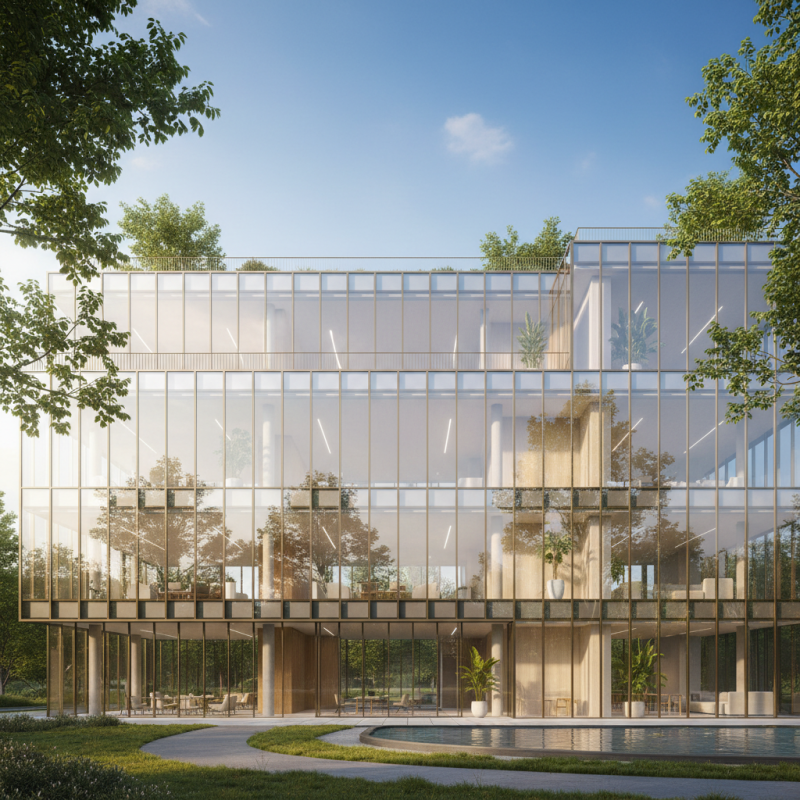
Why Does Glass Reduce Energy Consumption in Buildings?

Understanding the Role of Glass in Energy Efficiency

The role of glass in building design is pivotal for energy efficiency. According to the National Renewable Energy Laboratory (NREL), using advanced glazing can reduce a building's energy consumption by up to 30%. This reduction is significant, especially in climates with extreme temperatures. High-performance glass regulates heat gain in the summer and minimizes heat loss during winter months.

Moreover, glass allows natural light to penetrate deep within spaces. A study from the Lawrence Berkeley National Laboratory found that daylighting can reduce the need for artificial lighting by 40 to 60%. This measure not only cuts energy usage but also enhances occupant well-being. However, there are challenges. Inefficient glass types can lead to significant energy loss. It's crucial to select the correct glazing to truly harness the benefits.

Another consideration is the potential for glare, which can detract from comfort. Urban planners and architects must balance aesthetics with functionality. Despite advancements, the industry faces hurdles in determining optimal insulation levels and shading systems. Striking this balance is essential for maximizing glass's energy-saving potential while ensuring occupant satisfaction in buildings.

Why Does Glass Reduce Energy Consumption in Buildings? - Understanding the Role of Glass in Energy Efficiency

Type of Glass U-Value (W/m²K) Solar Heat Gain Coefficient Light Transmittance Energy Savings (%)
Single Glazing 5.0 0.85 0.90 0%
Double Glazing 2.5 0.70 0.80 30%
Low-E Glass 1.1 0.30 0.70 50%
Triple Glazing 0.9 0.25 0.65 70%
Vacuum Glazing 0.5 0.20 0.60 80%

Types of Glass Used in Building Design for Energy Savings

When considering energy-efficient building design, glass plays a crucial role. Different types of glass can significantly impact a building’s energy consumption. Low-emissivity (Low-E) glass is one of the most effective types available. It features a microscopically thin coating that reflects heat while allowing natural light to enter. A report by the U.S. Department of Energy indicates that using Low-E glass can reduce heating and cooling costs by up to 25%.

Another option is insulating glass units (IGUs). These consist of multiple glass panes separated by a spacer filled with argon or krypton gas. The design limits heat flow and noise penetration. According to the International Energy Agency, IGUs can improve energy efficiency by 30% compared to standard single-pane glass. Such advancements are critical, given that buildings account for approximately 40% of global energy consumption.

While these glass solutions boast significant advantages, challenges remain. The initial cost of high-performance glass can deter some developers. Also, improper installation may compromise their energy-saving potential. Such factors highlight the need for informed decision-making in building design. Embracing cutting-edge glass technology is essential for creating sustainable structures.

How Glass Contributes to Natural Light and Heat Management

Natural light plays a vital role in modern building design. Glass allows sunlight to flood interior spaces. This reduces reliance on artificial lighting. The use of large glass panels can create inviting environments. Workers in well-lit spaces often report higher productivity. However, controlling glare is essential. Too much sunlight can cause discomfort. Window treatments can help manage this balance.

Heat management is another area where glass excels. Low-emissivity coatings can minimize heat transfer. These coatings reflect infrared light while allowing visible light to enter. This keeps buildings warmer in winter and cooler in summer. However, not all glass is created equal. Some properties may overlook proper insulation. This can lead to higher energy costs.

Architects and builders must consider these factors. Decorative elements can impact effectiveness. Even the angle of sunlight changes throughout the year. It’s essential to evaluate how glass fits each project. Understanding these dynamics can reduce energy consumption while enhancing comfort.

The Impact of Glass on Insulation and Temperature Regulation

The use of glass in buildings significantly enhances insulation and temperature regulation. Research indicates that high-performance glazing can reduce heat loss by up to 50% compared to standard windows. In colder climates, this feature is crucial for maintaining a comfortable indoor environment while minimizing energy costs. Notably, energy-efficient glass reflects heat during summer and retains warmth in winter.

Energy modeling reports from the U.S. Department of Energy reveal that incorporating glass can lower heating and cooling demand by 20-30%. This reduction leads to less reliance on HVAC systems, translating into lower energy bills. However, not all glass is created equal. The type of coating, thickness, and frame integration all play roles. In some cases, builders overlook these factors, which can lead to inefficiencies.

Moreover, while glass facilitates natural light, excessive exposure can cause glare and overheating. This could lead to increased reliance on artificial cooling solutions. Balancing natural light and thermal comfort presents a design challenge. Architects must weigh aesthetics against functionality in their choices. The goal is to harness glass' advantages while mitigating its downsides.

Innovative Technologies in Glass to Enhance Energy Performance

Innovative technologies in glass have transformed building energy efficiency. Advanced glazing solutions reduce energy consumption by maximizing natural light while minimizing heat loss. A study by the Lawrence Berkeley National Laboratory found that low-emissivity (Low-E) glass can cut heating and cooling costs by up to 25%. These enhancements make buildings more comfortable and reduce reliance on artificial lighting.

Dynamic glass technologies now allow windows to change transparency based on light intensity. This smart glass responds to environmental conditions, adapting to changing daylight. According to the U.S. Department of Energy, this technology can save up to 30% on energy bills. However, the upfront costs can be a barrier to widespread adoption.

Moreover, while innovative glass enhances energy performance, challenges remain. Not all glass types provide the same benefits. Some may be more prone to condensation or may not integrate well with existing structures. Understanding the right applications is crucial for architects and builders. Choices in glazing materials can significantly influence both functionality and aesthetic appeal. Balancing innovation and practicality is key to successful energy-efficient designs.

Impact of Glass Technologies on Energy Consumption in Buildings

FAQS

: What role does glass play in energy-efficient building design?

: Glass significantly impacts energy consumption. It helps control heat transfer and allows natural light.

What is Low-E glass?

Low-E glass has a thin coating that reflects heat but lets in light. It reduces heating and cooling costs.

How effective are insulating glass units (IGUs)?

IGUs improve energy efficiency by about 30%. They consist of multiple panes that limit heat flow and noise.

What challenges come with high-performance glass?

Initial costs can deter developers. Improper installation may also reduce energy-saving benefits.

How does glass influence natural light in buildings?

Large glass panels enhance natural light. This reduces reliance on artificial lighting, boosting productivity in workspaces.

Why is glare management important with glass?

Too much sunlight causes discomfort. Effective window treatments help balance light and glare in interior spaces.

How does glass affect heating and cooling demand?

High-performance glass can cut heating and cooling demand by 20-30%. This lowers energy bills and reliance on HVAC.

Can excessive glass exposure be an issue?

Yes, too much light can cause glare and overheating, leading to more cooling needs. This creates a delicate balance.

Are all glass types equally effective?

No, effectiveness varies based on coatings, thickness, and frame integration. Neglecting these can lead to inefficiencies.

What should architects consider when using glass?

They must evaluate aesthetics, function, and environmental factors like sunlight angles. This ensures optimal performance.

Conclusion

Glass plays a pivotal role in enhancing energy efficiency in buildings, primarily through its unique properties and the innovative technologies developed for its application. Various types of glass, such as low-emissivity (Low-E) coatings and triple-glazed units, are designed specifically to minimize energy loss while still allowing ample natural light. By effectively managing heat gain and loss, glass contributes significantly to temperature regulation within indoor environments.

Moreover, the use of glass can facilitate the harnessing of natural light, which reduces reliance on artificial lighting, thus further decreasing energy consumption. Through improved insulation and advanced technologies, such as dynamic glazing that adjusts to environmental changes, it becomes clear how glass helps reduce energy consumption in buildings. This multifaceted approach not only offers comfort for occupants but also aligns with sustainable architectural practices aimed at reducing the overall environmental impact of buildings.

Aria

Aria

Aria is a dedicated marketing professional with a deep passion for innovative strategies and a keen understanding of our company's product offerings. With a wealth of experience in the industry, Aria excels at crafting engaging content that highlights the unique features and benefits of our......