What Makes Glass Safe for Architectural Use in 2026?

Time:2026-08-03 Author:Liam
0%

As we approach 2026, the question remains: what makes glass safe for architectural use? This inquiry holds significant importance for architects, builders, and property owners. The integration of glass in buildings creates stunning visuals but also poses certain risks. Safety standards continuously evolve, demanding better materials and designs.

In recent years, advancements in technology have changed how we view glass safety. Transparent materials now come with coatings that improve impact resistance and thermal performance. Such innovations help to mitigate hazards in urban environments. However, the application of these materials requires expertise and clear guidelines.

While various options exist, not all glass types meet safety criteria. Architects must navigate a wide range of choices. Understanding implications of poor material selection becomes critical. The industry faces challenges in balancing aesthetics with safety. Reflecting on these aspects helps professionals make informed decisions.
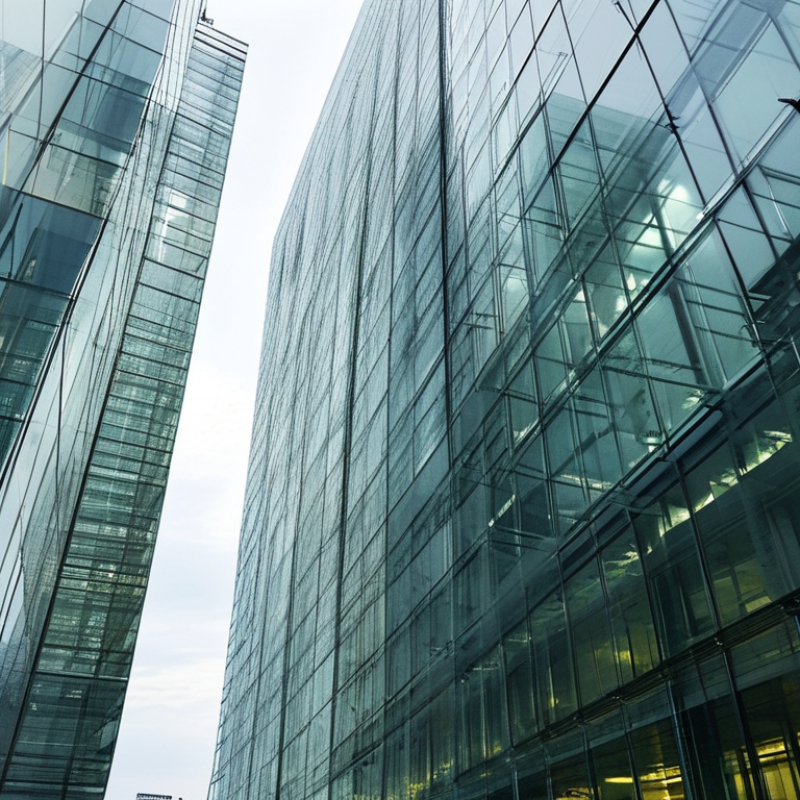
What Makes Glass Safe for Architectural Use in 2026?

Key Properties of Architectural Glass for Safety in 2026

In 2026, the safety of architectural glass relies heavily on its key properties. The increasing demand for sustainable building materials has led to the development of glass that is both durable and environmentally friendly. According to the International Glass Association, the use of tempering processes has enhanced impact resistance by up to 5 times compared to standard glass. This improvement addresses safety concerns, especially in high-rise buildings.

Moreover, the integration of advanced coatings can significantly improve thermal efficiency and reduce glare. Recent studies indicate that low-emissivity coatings can enhance energy performance by up to 30%. These coatings also help in maintaining interior comfort, which is crucial for user satisfaction. However, there are still concerns regarding the long-term durability of these coatings under varying weather conditions.

Additionally, the increasing emphasis on construction safety has led to the adoption of laminated glass. Laminated glass prevents shattering and holds together even when broken. The National Glass Association reports that laminated glass is 65% less likely to result in injury compared to traditional glass types. Nevertheless, discussions continue about balancing aesthetics and safety in architectural design. This ongoing dialogue underscores the need for continuous innovation and improvement in glass technologies.

Key Properties of Architectural Glass for Safety in 2026

Standards and Regulations Governing Architectural Glass Safety

In 2026, the safety of architectural glass is reinforced by strict standards and regulations. These guidelines ensure glass panels can withstand significant impacts and resist shattering. Clear safety criteria help architects select appropriate materials for various structures. However, not all glass types meet these requirements consistently. This can raise concerns about long-term reliability.

Testing for durability is crucial. Glass often undergoes rigorous assessments, including thermal and mechanical tests. These procedures validate the integrity of the materials. Yet, there are instances where testing methods may not reflect real-world conditions. This gap highlights the need for continuous improvement in safety assessments.

Regulatory bodies push for updates in architectural glass standards. They analyze incidents to refine safety regulations. Despite their efforts, some industry players may overlook emerging risks. Ensuring compliance is a shared responsibility. Stakeholders must stay informed about advancements and actively engage in discussions on safety innovations.

Innovative Technologies Enhancing Glass Strength and Durability

Architectural glass is evolving rapidly, driven by cutting-edge technologies aimed at enhancing its strength and durability. In 2026, innovative treatments like tempering and lamination are commonplace. Tempered glass is manufactured by subjecting it to extreme heat and cooling. This process increases its strength up to five times compared to ordinary glass. Reports indicate that tempered glass breaks into small, less harmful pieces, reducing injury risk significantly.

Laminated glass incorporates interlayers that bond glass sheets together. This technology effectively absorbs sound and provides safety. Studies show that laminated glass can withstand high-pressure impacts, ideal for high-rise buildings. A recent industry report revealed that the market for laminated glass is projected to grow by over 8% annually. This growth signals a rising demand for safer, more resilient architectural solutions.

Despite these advancements, challenges remain. Not all glass types can be treated equally, and the cost of these technologies can be high. Misapprehensions about their performance often arise in project teams. Testing these materials under varied conditions is crucial. Ongoing research aims to optimize these processes, ensuring that architectural glass meets the demands of safety and sustainability in future buildings.

What Makes Glass Safe for Architectural Use in 2026? - Innovative Technologies Enhancing Glass Strength and Durability

Technology Description Strength Increase (%) Durability Enhancement
Laminated Glass Glass layers bonded with a resin interlayer offer impact resistance and safety. 30 - 50 High impact resistance
Tempered Glass Heat-treated glass that increases strength and safety, breaks into small pieces. 4 - 5 times stronger Improved thermal resistance
Smart Glass Adjusts transparency and provides insulation through applied electricity. N/A Enhanced energy efficiency
Self-Healing Glass Incorporates polymers that can heal minor scratches and cracks. N/A Longer lifespan
Coated Glass Chemical coating enhances scratch resistance and reduces glare. N/A Increased longevity

Design Considerations for Safe Glass Installation in Architecture

When considering architectural glass for safe installation, several design factors come into play. Safety must prioritize user protection while maintaining aesthetic appeal. A study conducted by the Glass and Glazing Federation found that over 70% of safety-related incidents in buildings involved shattered glass. This statistic underscores the need for rigorous standards in glass selection.

The choice of glass thickness and type is critical. Laminated glass, for example, can withstand significant impact and remains intact when broken. Moreover, energy-efficient glazing options offer thermal protection while enhancing safety. According to the National Glass Association, proper installation technique is equally essential—using appropriate sealants and fasteners can mitigate the risk of glass failure. Yet, even with high-quality materials, improper handling can lead to vulnerabilities.

Designers often overlook the importance of tempering glass. Tempered glass is stronger and breaks into small, blunt pieces. This reduces the risk of injury. However, not all glass applications correctly utilize this type. Balancing safety with design elements is challenging. In a pursuit for visual appeal, some may neglect essential safety measures. This reflection highlights the ongoing need for education and awareness in the architectural community.

Future Trends in Sustainable and Safe Building Glass Solutions

As we look toward 2026, the landscape of architectural glass is evolving. The focus is shifting towards sustainable and safe building solutions. Architects are integrating eco-friendly materials into their designs. This trend enhances not just aesthetics but also energy efficiency. Glass is becoming a key player in reducing overall carbon footprints. Innovations in technology allow for advanced insulation, minimizing energy loss.

Safety remains a top priority in glass design. Future materials are expected to withstand high impacts. Enhanced thermal resistance is being integrated to combat extreme weather events. Moreover, new coatings will improve safety during glass breakage. These innovations are not flawless yet. There’s still ongoing research to optimize durability without sacrificing design.

Incorporating smart technologies into glass will drive future trends. For example, self-cleaning and photochromic options are gaining attention. However, such advances may come with higher costs. The balance between budget and safety is often a challenge. Only time will reveal the extent of these innovations. Architects will need to navigate these complexities in their projects.

FAQS

: What are the common treatments used to enhance glass strength?

: Two common treatments are tempering and lamination. These help increase strength and durability significantly.

How does tempered glass improve safety?

Tempered glass breaks into small, less harmful pieces. This reduces the risk of injury when it shatters.

What role does laminated glass play in architecture?

Laminated glass absorbs sound and withstands high-pressure impacts, making it suitable for tall buildings.

Why is the choice of glass thickness crucial?

Thicker glass can withstand greater impacts, enhancing safety and preventing shattering in critical areas.

What are the risks of improper glass installation?

Improper handling can create vulnerabilities. Even high-quality glass can fail if not installed correctly.

How can aesthetic appeal conflict with safety in glass design?

Designers may prioritize visual elements over safety. This sometimes leads to neglecting essential protective measures.

What is a key consideration for energy efficiency in glass?

Energy-efficient glazing provides thermal protection and enhances overall safety in buildings.

Are there ongoing challenges in glass technology?

Yes, not all glass types can be treated equally, and costs can be prohibitive for some projects.

What is essential for glass material testing?

Testing materials under varied conditions is important to ensure they meet safety and durability standards.

How should designers approach education regarding glass safety?

There is a need for ongoing education in the architectural community. Awareness can help improve safety practices.

Conclusion

In discussing what makes glass safe for architectural use in 2026, several key properties stand out. These include high strength and durability, resistance to impacts, and the ability to withstand environmental stressors. Adhering to current standards and regulations is crucial to ensure safety, with emphasis on compliance during manufacturing and installation processes.

Innovative technologies are also playing a pivotal role in enhancing the safety of architectural glass. Developments in tempered and laminated glass, along with coatings that improve durability, are notable advancements. Additionally, design considerations must be prioritized to facilitate safe installation, minimizing risks related to breakage or improper handling. Looking ahead, the future trends indicate a push towards sustainable building glass solutions that not only provide safety but also align with environmental goals.

Liam

Liam

Liam is a dedicated marketing professional with a profound expertise in the industry, where he excels at highlighting the unique advantages of our core products. With a keen understanding of market trends and consumer needs, Liam frequently updates our company’s professional blog, providing......