In 2026, the role of glass in interior design has evolved significantly. It serves as a key element in creating open interior spaces. Various studies, including reports from the American Institute of Architects, highlight that over 70% of architects prefer glass for its ability to enhance natural light. This trend is not merely aesthetic; it also influences well-being. Natural light increases productivity and reduces stress levels, supporting the idea of "how glass helps create open interior spaces."
As urban living becomes more compact, maximizing space has become crucial. Glass walls and partitions can redefine boundaries without sacrificing openness. However, there are challenges. Achieving thermal insulation while using large glass surfaces remains a complex issue. Innovations in glass technology are addressing these concerns, making the material more efficient.
Yet, the reliance on glass also prompts critical reflection. An increase in glass usage can lead to issues around energy efficiency and privacy. This calls for a balanced approach in future designs. By integrating advancements in glass technology and mindful design, architects can create spaces that genuinely feel open while ensuring comfort and energy effectiveness.
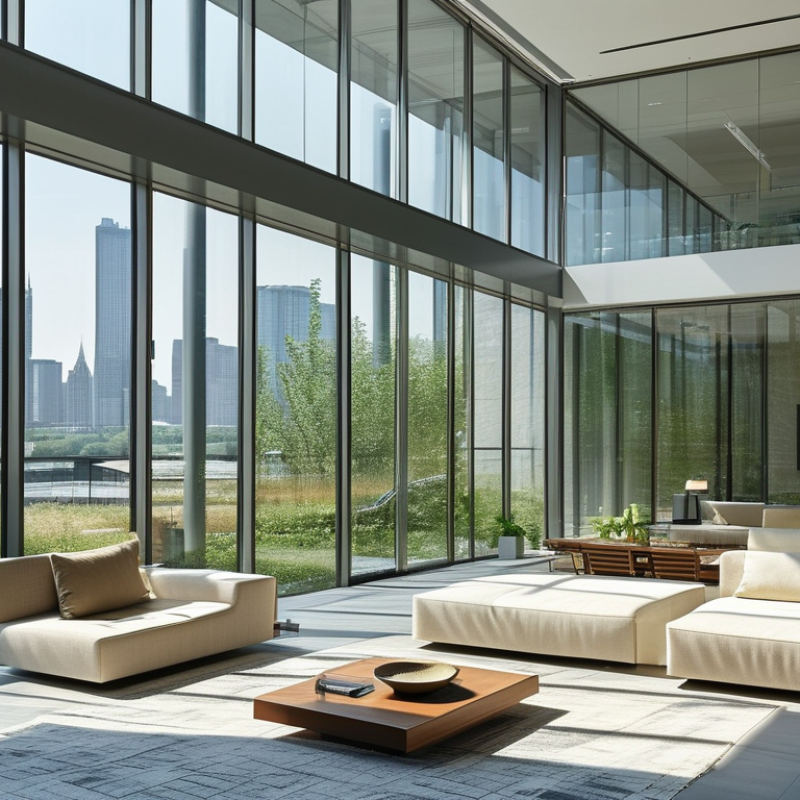
In 2026, glass technology is reshaping interior design trends. Designers are using large glass panels to create open spaces. Natural light plays a crucial role in mood and productivity. This shift enhances the connection between indoor and outdoor environments.
Tips: Incorporate glass in common areas. Use frosted glass to maintain privacy. These elements can elevate design while keeping a sense of openness.
Designers also experiment with textures. Smart glass can switch from clear to opaque. This innovation offers control over privacy and light. It adds a layer of flexibility to spaces like home offices and conference rooms.
However, glass requires careful consideration. Reflective surfaces can create glare. Balancing transparency and privacy is essential. Think about how glass interacts with other materials and finishes for a cohesive look.
| Design Element | Glass Type | Application | Trend Impact | Sustainability Aspect |
|---|---|---|---|---|
| Partition Walls | Smart Glass | Room Divisions | Increases adaptability and flexibility of space | Energy efficiency through dynamic tinting |
| Windows | Triple Glazed Glass | Natural Light Entry | Enhances natural lighting, reducing the need for artificial light | Improved insulation reducing energy demands |
| Staircases | Tempered Glass | Structural Elements | Creates open sightlines fostering a sense of space | Long-lasting durability with minimal maintenance |
| Furniture Integration | Laminated Glass | Tabletops & Shelving | Combines aesthetics with minimalism | Sustainable sourcing options available |
| Light Displays | Reflective Glass | Lighting Fixtures | Innovative lighting solutions that enhance ambiance | Supports sustainable practices in production |
: Sustainable glass solutions enhance spaces and reduce energy consumption. They improve aesthetics while lowering heating and cooling costs significantly.
Modern glass, with features like low-emissivity coatings, optimizes daylighting and minimizes reliance on artificial lighting in open spaces.
Balancing transparency and thermal performance can be difficult. Some solutions may still lead to excessive heat gain or loss.
Although initial costs are higher, long-term energy savings are substantial. Energy-efficient buildings retain higher market values over time.
Smart glass changes transparency with a switch, allowing dynamic space use and significant energy cost reductions in buildings.
Yes, implementation can be costly and time-consuming. Proper installation and ongoing maintenance are necessary for optimal performance.
Glass maximizes natural light and creates spacious atmospheres, bridging the gap between indoor and outdoor environments.
They must balance aesthetics with privacy and energy efficiency. Reflecting on these factors is key to successful designs.
Glass can create an illusion of larger areas in smaller apartments, enhancing the overall functionality while requiring sound insulation considerations.
While beautiful, glass designs may not provide adequate sound insulation and could raise environmental concerns. These complexities need reflection.
In 2026, glass technologies are set to significantly influence interior design trends, providing innovative solutions that enhance both aesthetics and functionality in open spaces. One of the key aspects is how glass helps create open interior spaces by allowing natural light to flow while maintaining visual connectivity between different areas. Sustainable glass solutions also play a crucial role, reducing energy consumption and contributing to eco-friendly design practices.
Furthermore, the rise of smart glass is transforming environments by providing flexibility, enabling users to control light and privacy dynamically. As urban living continues to evolve, the market is witnessing a notable growth in the usage of glass in interior spaces, highlighting its importance in modern design and architecture. This trend reflects a collective movement towards creating inviting, sustainable, and adaptable urban interiors shaped by innovative glass technologies.

 Greensina Glass