Glass façades are often treated as permanent, clean, and nearly maintenance-free. That assumption fails in real buildings. Dust settles on horizontal ledges, hard water marks appear beneath sprinklers, and damaged seals allow moisture into frame joints. Learning how to maintain glass in architectural structures therefore requires more than choosing a strong cleaning product. It requires planned inspections, compatible materials, safe access, and accurate records.
The International Energy Agency reports that buildings consume about 30% of global final energy. The World Green Building Council also identifies buildings as responsible for approximately 39% of global energy-related carbon emissions. These figures make façade performance important. Dirty glazing can reduce daylight and increase cooling demand, although the exact effect depends on orientation, coating, climate, and indoor controls. Stephen Selkowitz, former leader of Lawrence Berkeley National Laboratory’s window research, described windows as “the most complex and dynamic element in the building envelope.” His observation supports a whole-system maintenance approach.
A reliable program should follow manufacturer instructions, ASTM standards, and guidance from the National Glass Association, including its bulletin on proper architectural glass cleaning. Inspecters should check coatings, scratches, sealant edges, drainage paths, gaskets, and adjacent metalwork. Use clean water, soft tools, and non-abrasive cleaners. Never scrape wet glass blindly. Small mistakes matter. A razor can leave permanent marks on coated surfaces. Maintenance logs should record dates, products, weather conditions, defects, and corrective actions. No checklist is perfect. Building teams must review failures after storms, renovation work, and unexpected staining. That practical feedback turns routine cleaning into durable façade management.
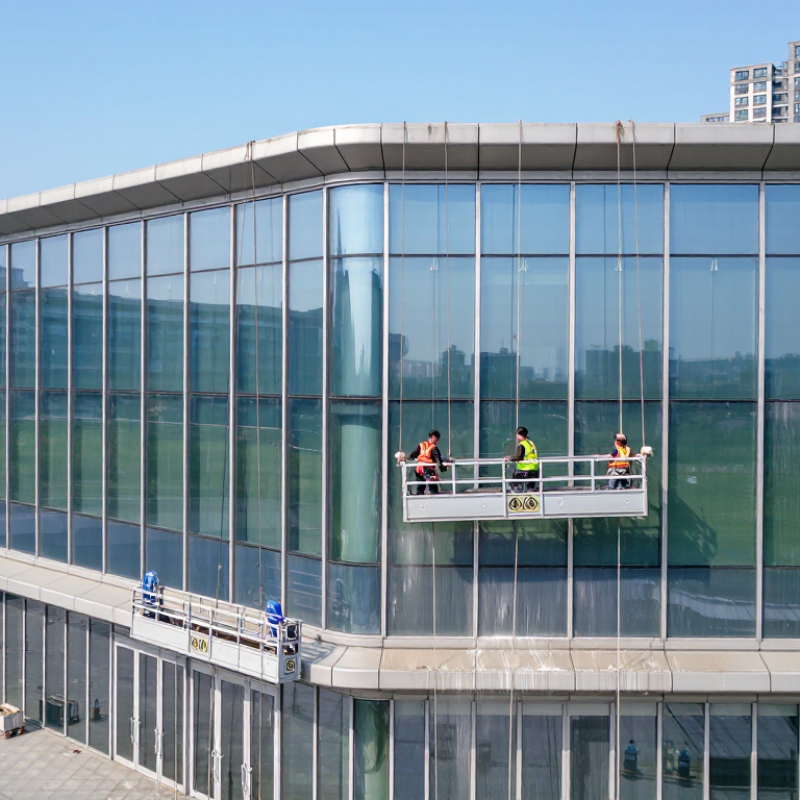
How to Maintain Glass in Architectural Structures?
Architectural glass is not one uniform material. Each type responds differently to heat, impact, moisture, and cleaning chemicals. Annealed glass is common and economical, but it can break into large, sharp pieces. Tempered glass is stronger against thermal stress and impact. When it fails, it usually forms small granular fragments. This helps safety, although it does not prevent breakage. Laminated glass contains a plastic interlayer between two panes. It can remain in the frame after cracking, making it useful for roofs, façades, and guardrails.
Insulating glass units contain sealed air or inert-gas spaces between panes. They reduce heat transfer, but failed seals may create foggy edges or condensation. Low-emissivity glass improves energy performance through a thin coating. That coating can be sensitive to abrasive tools and harsh cleaners. Ceramic-fritted glass adds solar control and visual privacy. It also hides dust better than clear glass, though stains may collect around its textured surface.
Maintenance should match the glass type and its location. Use clean water, a soft applicator, and a neutral cleaner. Never scrape dry debris across coated surfaces. During inspections, check chips, edge damage, seal failure, drainage paths, and unusual reflections. Small defects matter. A minor edge chip can expand after repeated temperature changes. I have found that maintenance plans often focus on the visible pane, while gaskets and setting blocks receive less attention. That is a weakness. No specification is perfect, so records should note cleaning dates, weather conditions, and changes observed over time.
| Glass Type | Typical Architectural Use | Key Characteristics | Recommended Maintenance | Important Precautions |
|---|---|---|---|---|
| Annealed Float Glass | Windows, interior partitions, framed glazing and low-risk decorative applications | Clear, flat and economical; breaks into large sharp shards when fractured | Clean at least twice a year, or more often in dusty, coastal or polluted locations. Use clean water, a soft cloth or squeegee, and a mild non-abrasive detergent. | Do not use where safety glazing is required. Avoid metal scrapers and abrasive pads that can scratch the surface. |
| Heat-Treated Tempered Glass | Doors, shower enclosures, balustrades, façades, partitions and areas exposed to impact | Greater resistance to thermal stress and impact than annealed glass; breaks into small blunt-edged particles | Inspect edges, corners, holes and fittings during routine cleaning. Remove deposits with a non-abrasive cleaner and soft tools. | Never drill, cut or edge-process after tempering. Check for chips, cracks or concentrated damage, especially near hardware. |
| Heat-Strengthened Glass | Curtain walls, façades and glazing requiring increased thermal resistance but not necessarily safety glazing | Stronger than annealed glass and generally breaks into larger pieces than tempered glass | Maintain frames, gaskets and drainage paths along with the glass. Clean regularly to prevent mineral and atmospheric deposits. | It is not automatically a safety glass. Confirm the required performance standard before replacement or alteration. |
| Laminated Glass | Overhead glazing, skylights, guardrails, façades, noise-control windows and security applications | Two or more glass layers bonded by an interlayer; fragments generally remain attached after breakage | Check for edge exposure, interlayer discoloration, bubbles, delamination and moisture infiltration. Keep sealants and drainage details in good condition. | Do not use harsh solvents or flood damaged edges. Replace units showing progressive delamination or loss of structural performance. |
| Insulating Glass Unit | Energy-efficient windows, curtain walls and façades | Two or more panes separated by a sealed cavity containing air or an insulating gas | Clean both surfaces and inspect the perimeter seal. Watch for persistent condensation or fogging between panes. | Condensation inside the cavity usually indicates seal failure and cannot be corrected by ordinary surface cleaning. |
| Low-Emissivity (Low-E) Glass | Energy-efficient windows and solar-control façades | A microscopically thin coating helps reduce radiant heat transfer; coating position depends on the glazing design | Use clean water, a soft non-abrasive sponge or cloth, and a neutral mild detergent. Rinse thoroughly and dry with a clean squeegee. | Do not use razor blades, abrasive powders, strong acids, strong alkalis or unapproved stickers on coated surfaces. |
| Patterned or Obscure Glass | Privacy windows, bathroom glazing, doors and decorative partitions | Textured or patterned surface diffuses light and reduces visibility | Clean in the direction of the pattern with a soft brush or cloth to remove dirt from recesses. Rinse away detergent residue. | Avoid abrasive brushes and aggressive scraping, which may polish or damage the texture. |
| Fire-Resistant or Fire-Rated Glazing | Protected doors, partitions, corridors and designated fire-compartment boundaries | Designed as part of a tested glazing system to provide a specified period of fire performance | Inspect the glass, frame, seals, beads, fasteners and door hardware according to the building’s fire-safety schedule. | Do not substitute ordinary glass or modify the frame without approval. Any replacement must match the tested system requirements. |
Inspect façades every quarter. Check them again after storms, construction, or unusual temperature changes. Record each panel’s location, date, weather, and condition.
Look for corner chips, scratches, cracks, edge damage, and uneven reflections. Dirty glass can hide small defects.
Condensation between panes often indicates seal failure. Cloudy areas and trapped moisture deserve attention. Dry glass may conceal continuing problems.
Blocked weep holes can trap water behind the glazing system. Check drainage paths carefully during routine maintenance.
Use clean water, a soft applicator, and a squeegee with an undamaged rubber edge. Remove loose grit gently before wiping.
Avoid abrasive pads, metal blades, harsh solvents, and untested acidic cleaners. Improvised tools can leave permanent scratches. Small mistakes matter.
It can be risky for the finish. Rapid drying may leave mineral marks. Clean cooler surfaces when possible. This detail is often missed.
Include photographs with a scale reference, panel location, date, weather, visible defects, and corrective actions. Compare images during every inspection cycle.
Seek professional help for laminated glass, elevated access, structural support, or serious damage. Do not improvise with difficult repairs.
Recheck the repaired area after rain. Dry glass may hide continuing leaks. A fixed schedule is useful, but real conditions can disrupt it.
How to maintain glass in architectural structures depends on understanding the type of glass used, such as tempered, laminated, insulated, or coated glass, because each requires different care. Glass can deteriorate due to impact, thermal stress, moisture, pollutants, improper installation, and scratches caused by unsuitable cleaning tools. Regular inspections should check for cracks, chips, edge damage, seal failure, discoloration, condensation, and loose fittings. Early detection helps prevent minor defects from becoming safety or performance problems.
Effective maintenance includes removing dust and debris with soft tools, using clean water and mild, non-abrasive solutions, and drying surfaces to prevent water spots. Protective coatings, drainage paths, frames, gaskets, and surrounding joints should also be examined and maintained. Damaged glass should never be ignored; qualified professionals should assess whether a repair is suitable or whether replacement is necessary. Safe handling, accurate measurements, compatible materials, and proper installation are essential. Overall, how to maintain glass in architectural structures involves routine observation, gentle cleaning, timely intervention, and careful attention to both the glass and its supporting components.

 Greensina Glass