Glass plays a vital role in contemporary building design. Its importance can be seen in both aesthetics and functionality. Renowned architect David Adjaye once stated, “Glass creates a unique relationship between the interior and exterior of a space.” This statement encapsulates why glass is important in building design.
The transparency of glass allows natural light to flood indoor spaces. This not only enhances the ambiance but also reduces energy costs. However, it is important to consider how light interacts with various materials and spaces. Over-reliance on glass can lead to discomfort from glare or excessive heat. Architects need to strike a balance between openness and insulation.
Furthermore, glass promotes structural integrity. With advancements in technology, modern glass can withstand various weather conditions. Despite its strengths, there are challenges. The reflective qualities of glass can create visual distractions. It is essential to address these obstacles to maximize the benefits of glass. Thus, the thoughtful use of glass is crucial in modern architecture.
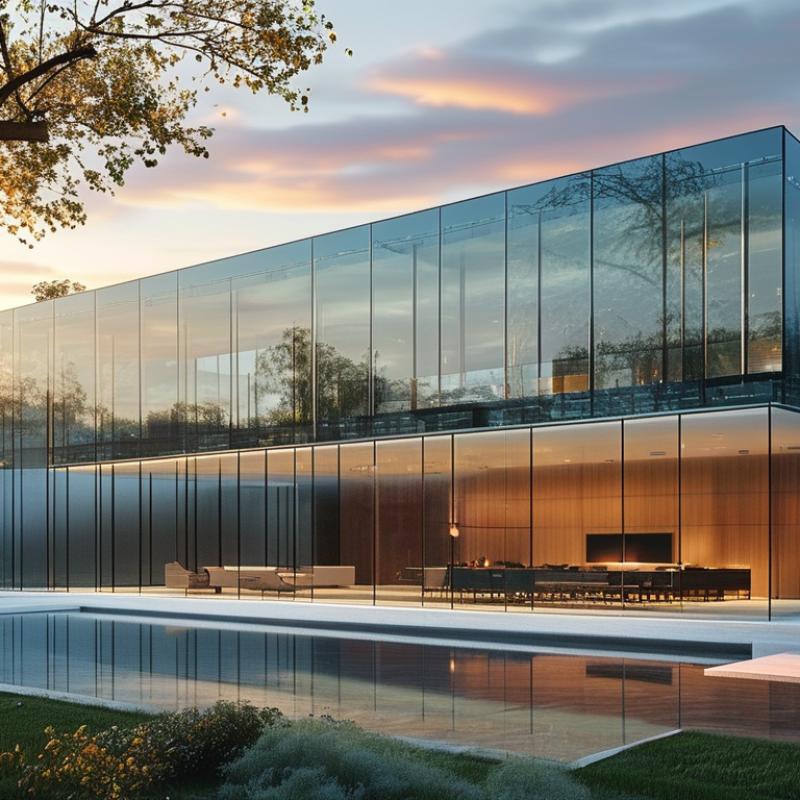
Glass plays a vital role in modern architecture, especially when it comes to enhancing natural light. Research shows that natural light significantly impacts occupants' mood and productivity. A study from the International Journal of Environmental Research and Public Health reveals that spaces filled with natural light can boost employee performance by up to 15%. This reliance on glass allows designers to create airy, inviting environments.
Consider the innovative use of floor-to-ceiling windows in office buildings. This design choice not only floods interior spaces with sunlight but also provides expansive views of the outdoors. The American Society of Interior Designers emphasizes how this connection to nature benefits well-being. However, over-reliance on glass can pose challenges. Issues such as glare and heat gain must be carefully managed.
Architects often face tough questions about balancing aesthetics and functionality. While glass enhances beauty and light, its energy efficiency can be problematic if not addressed properly. A 2020 report by the U.S. Department of Energy suggests that improper use of glass can lead to increased heating and cooling costs. Thoughtful integration of glass is essential for achieving sustainable design outcomes.
Glass plays a vital role in modern building design, particularly regarding energy efficiency. It allows natural light to flood interiors, reducing reliance on artificial lighting. This not only cuts energy costs but also creates a more inviting atmosphere. High-performance glazing technologies enhance insulation, minimizing heat loss in winter and heat gain in summer.
Building designs that incorporate glass often feature dynamic, energy-saving solutions. For instance, solar control glass can reflect excess sunlight while retaining clarity. This improves HVAC efficiency, reducing energy consumption over time. However, improper selection of glass can lead to excessive heat or glare, causing discomfort for occupants.
Incorporating glass effectively is not without challenges. Designers must consider the local climate and building orientation. Failure to account for these factors can lead to increased energy use. Balancing aesthetics and functionality is critical. Glass should not only showcase a building's beauty but also contribute to its sustainability goals. Each choice requires careful thought to achieve a harmonious balance.
Modern architecture increasingly relies on glass for its safety and security features. According to a report by the Glass Association, 38% of glass used in buildings today is designed to withstand significant impacts. This advancement means that glass can resist breakage under stress, providing an additional layer of protection for occupants. Laminated and tempered glasses are particularly notable for enhancing safety. They prevent shattering, reducing the risk of injuries during extreme weather events or accidents.
Furthermore, research indicates that buildings with high-performance glass windows can improve security while adding aesthetic value. Reflective coatings can deter unwanted attention, making it harder for intruders to see inside. A study by the National Institute of Building Sciences highlights that incorporating safety glass can lower insurance premiums by up to 15%. While these features are impressive, the challenge remains in balancing transparency with security; effective designs must avoid feeling fortress-like while still safeguarding occupants.
The evolving technology behind glass also introduces complexities. Not all glass provides the same level of security, and installation mistakes can compromise effectiveness. Furthermore, the environmental impact of producing these materials raises questions about sustainability. Architects are tasked with considering both safety and ecological footprints, prompting ongoing conversations about the future of glass in building design.
Innovative glass technologies are changing building aesthetics in remarkable ways. Large glass facades are becoming more common, allowing natural light to flood into interiors. This not only creates a visually striking appearance but also enhances energy efficiency. According to the U.S. Department of Energy, windows can account for 25-30% of residential energy use. Using high-performance glass can significantly reduce these costs.
Modern glass options, like triple-glazed units, offer superior insulation and noise reduction. Such advancements help meet sustainability goals while enhancing occupant comfort. The National Glass Association reports that buildings using innovative glass can consume up to 40% less energy than those with traditional materials. These statistics highlight the substantial impact of glass technology on modern architecture.
Tip: Choose glass with low-emissivity coatings. This can improve thermal performance and reduce your heating bills significantly.
While these innovations are exciting, challenges remain. Not all glass types offer the same durability. Architects must balance aesthetics with safety concerns. Improperly engineered glass can lead to costly failures. Developers must invest in thorough research and collaboration with materials experts to avoid these pitfalls.
Tip: Prioritize glass that is tested for impact resistance and thermal performance. This ensures longevity and safety in your designs.
Glass plays a significant role in modern building design. Its appeal transcends aesthetics and functionality. When considering sustainability, glass can be a double-edged sword. While it allows natural light to flood spaces, it can also lead to energy loss if not optimized.
Energy-efficient glass options are available today. Low-emissivity (Low-E) glass minimizes heat transfer. This can significantly reduce heating and cooling demands. Using this type of glass lowers energy consumption in buildings. However, the production process still poses environmental challenges. It often requires significant energy input and resources.
A few tips for sustainable glass usage include:
1. Choose recycled glass when possible.
2. Implement shades or films to reduce solar heat gain.
3. Opt for locally-sourced glass materials to minimize transportation emissions.
When designing with glass, every choice matters. Not every building can utilize glass effectively. Understanding its impact on both the environment and energy efficiency is crucial. Balancing design with functionality is an ongoing challenge for architects and builders. The journey towards a sustainable future must critically assess glass’s role in construction.
| Dimension | Description | Environmental Impact | Sustainability Benefits |
|---|---|---|---|
| Natural Lighting | Utilization of glass in windows and facades to maximize daylight. | Reduces reliance on artificial lighting, lowering energy consumption. | Enhances occupant well-being and productivity. |
| Thermal Performance | Incorporation of double or triple glazing for insulation. | Minimizes heat loss in winter and reduces heat gain in summer. | Improves energy efficiency of buildings. |
| Recyclability | Glass can be recycled multiple times without loss of quality. | Decreases landfill waste and conserves raw materials. | Supports circular economy initiatives. |
| Aesthetic Appeal | Versatile design options for creative architecture. | Encourages public spaces and community interaction. | Increases property values and marketability. |
| Energy Efficiency | Glass technologies decrease energy draw. | Lower carbon footprint throughout building lifecycle. | Meets sustainable building certification standards. |
: Glass allows natural light to reduce reliance on artificial lighting, lowering energy costs and improving atmosphere.
High-performance glazing minimizes heat loss in winter and heat gain in summer, improving overall energy efficiency.
They must consider local climate and building orientation to prevent excessive energy use and discomfort for occupants.
Laminated and tempered glasses resist breakage, enhancing safety during extreme weather and reducing injury risks.
Reflective coatings deter intruders and enhance aesthetic value while maintaining security for the occupants.
They should choose recycled glass, implement shades to minimize heat gain, and use locally-sourced materials.
Improper selection or installation can lead to energy inefficiency and increased reliance on artificial heating or cooling.
The production process is energy-intensive and requires significant resources, raising concerns about sustainability.
Glass should enhance a building’s beauty without compromising its energy efficiency or security features.
They must continually assess glass’s environmental impact while striving for innovative, energy-efficient designs.
Glass plays a pivotal role in modern building design, enhancing various aspects such as aesthetics, functionality, and sustainability. One of the primary reasons why glass is important in building design is its ability to maximize natural light, creating brighter and more inviting spaces. This not only improves the occupant experience but also reduces the reliance on artificial lighting, contributing to energy efficiency.
Moreover, advancements in glass technologies have led to improved safety features and enhanced energy performance, making buildings more secure and environmentally friendly. By incorporating innovative glass solutions, architects can design structures that not only captivate the eye but also align with sustainability goals, significantly reducing the environmental impact of construction. Ultimately, the integration of glass in modern architecture exemplifies the shift towards designs that prioritize light, energy efficiency, and ecological responsibility.

Greensina Glass