In the realm of modern architecture, glass plays a pivotal role. It offers a unique blend of aesthetics and functionality. Renowned architect Richard Meier once stated, "Glass allows light to inject life into a space." This highlights why glass is important in building design.
Its transparency invites natural light, reducing reliance on artificial lighting. This aspect not only enhances energy efficiency but also improves occupant well-being. Large glass facades create a seamless connection between indoors and outdoors, fostering a sense of openness. The use of glass can elevate a building’s visual appeal, making it a standout in urban landscapes.
Yet, the reliance on glass is not without challenges. Thermal performance and privacy concerns require careful consideration. Architects must balance these elements to create a truly functional design. As understanding deepens around sustainable building practices, the importance of glass continues to evolve. This will shape the future of building design.
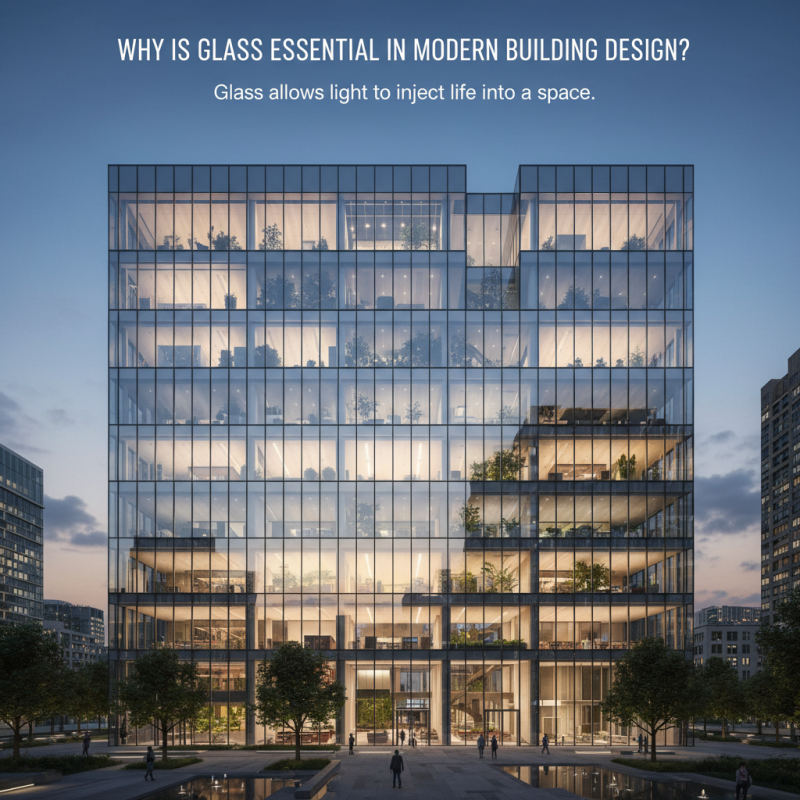
Glass has played a pivotal role in architecture for centuries. Its transparency and versatility have shaped not just buildings, but entire cityscapes. In ancient Rome, glass was used in windows, a luxury reserved for the wealthy. Over time, this material became more accessible, allowing light to flood into interiors. This shift changed how spaces were designed and experienced.
The evolution of glass technology has also transformed architectural design. Innovations like tempered and insulated glass improved safety and energy efficiency. High-rise buildings now showcase expansive glass facades, blending indoor and outdoor environments. However, while glass enhances aesthetics, it can pose challenges. Issues like glare and heat retention require careful planning. The balance between beauty and functionality is essential in glass architecture. A thoughtful approach can lead to breathtaking structures that honor history while embracing modernity.
Glass plays a crucial role in modern architecture, providing benefits such as natural light, aesthetic appeal, energy efficiency, acoustic control, and sustainability. The chart above illustrates the importance of these features in the context of glass use in building design.
Glass plays a pivotal role in modern building design, contributing both aesthetic appeal and functionality. Its transparency allows natural light to flood interior spaces, promoting well-being and reducing energy consumption. Large glass windows can create a connection between the indoors and outdoors, enhancing the visual experience.
However, the use of glass requires careful thought. While it can enhance a building's beauty, it may also lead to privacy issues. Choose window placements that balance openness with seclusion. Consider window films or frosted designs for areas needing discretion.
Tips: Explore low-e glass options. They reduce heat loss while maintaining clarity. When selecting glass types, weigh both performance and style. A diverse selection can cater to different design goals while addressing energy efficiency.
The functional aspects of glass shouldn't be underestimated. Double-glazing and treated glass can improve insulation, contributing to energy savings. Yet, these features can be more costly upfront. Weigh the long-term benefits against initial investments. Balancing aesthetic desires with practical needs can lead to more thoughtful design solutions.
Innovative glass technologies are reshaping modern architecture. With the market for architectural glass projected to reach $60 billion by 2025, it’s clear that glass is not just an aesthetic choice. Smart glass and energy-efficient glazing systems are among the groundbreaking products transforming how buildings interact with their environment.
Smart glass can adjust its opacity based on sunlight, improving energy efficiency by up to 30%. This adaptive quality minimizes the need for artificial lighting and reduces cooling costs. On the other hand, advanced thermal insulation in glazing can decrease heating demands by 50%. Such technologies are crucial as the construction industry strives for sustainability.
Tip: When designing with glass, consider not only the visual impact but also the thermal performance. Reflective glass can enhance energy efficiency but may require careful placement to avoid glare. It's essential to balance functionality and aesthetics.
Innovation in glass also addresses safety. Laminated glass can withstand extreme weather and impacts. However, designers must remember that not all glass options suit every location. Climate and building use significantly affect glass performance. Being mindful of these variables ensures successful architecture.
Tip: Always consult engineering data when selecting glass types for your project. This practice aids in avoiding costly mistakes down the line. Balancing beauty and functionality is key to effective modern design.
| Aspect | Description | Benefits |
|---|---|---|
| Natural Light | Use of large glass windows and skylights to maximize daylight. | Enhances well-being, reduces energy costs. |
| Energy Efficiency | Advanced glass technologies, such as low-E coatings, minimize heat loss. | Increases building energy performance, achieves sustainability goals. |
| Aesthetic Appeal | Modern design trends favor sleek glass façades and open spaces. | Attracts clients, boosts property value. |
| Safety and Security | Tempered and laminated glass technologies enhance durability and safety. | Reduces risk of injury, protects against break-ins. |
| Acoustic Performance | Specialized acoustic glass can dampen sound transmission. | Improves indoor comfort in noisy environments. |
| Sustainability | Recycled glass materials and innovative production techniques reduce environmental impact. | Supports green building certifications and eco-friendly designs. |
Glass plays a crucial role in modern building design, especially when considering sustainability. It allows natural light to flood interior spaces, reducing reliance on artificial lighting. This practice contributes to energy savings and promotes a healthier environment. Many architects recognize this benefit, yet achieving the perfect balance of transparency and insulation can be challenging.
Energy-efficient glass technologies, such as low-emissivity (low-e) coatings, have emerged to enhance performance. These coatings reflect heat while allowing sunlight to enter. However, the complexities of installation and maintenance often lead to suboptimal results. Some buildings still struggle with thermal comfort despite using advanced glazing techniques.
Moreover, the production process of glass can be energy-intensive. Sustainable sourcing and recycling of glass remain areas needing improvement. While many innovations exist, it's essential to question their long-term impacts. The path to sustainability in glass usage is not straightforward. It requires continuous reflection on methods and outcomes, striving for better practices in future projects.
In urban development, glass is transforming our surroundings in notable ways. Designers increasingly use glass to create open, airy spaces. The ability of glass to enhance natural light is vital. It connects indoor environments with the outdoors, fostering a sense of well-being. Large glass facades can redefine city skylines, but they also pose challenges in energy efficiency. This balance between aesthetics and sustainability is crucial.
Future trends show glass playing a more innovative role. Smart glass technology is on the rise. It can change opacity to improve privacy or reduce energy consumption. These advancements make buildings more responsive to their environments. However, the integration of smart glass can be complex. Questions about cost and maintenance remain. There’s a need for ongoing research to ensure these technologies are reliable.
As urban areas grow, the role of glass will evolve further. Architects must consider durability in design choices. Glass can be fragile and, at times, impractical in certain climates. Finding solutions to these issues is essential for future projects. These reflections on the use of glass highlight both its potential and challenges ahead.
: Glass has been crucial in architecture, influencing buildings and cityscapes for centuries.
Initially a luxury for the wealthy, glass became more accessible, allowing light to flood interiors.
Innovations such as smart glass and insulation improve energy efficiency and building interactions.
Smart glass adjusts its opacity, potentially improving energy efficiency by up to 30%.
Issues like glare and heat retention require careful planning in design.
Merging beauty and functionality creates structures that honor history and embrace modernity.
The local climate and building use must influence glass selection for optimal performance.
Laminated glass can withstand extreme weather and impacts, enhancing building safety.
Reflective glass enhances energy efficiency but may cause glare, careful placement is essential.
Consulting engineering data helps avoid costly mistakes and ensures effective design choices.
Glass plays a pivotal role in modern building design, showcasing its historical significance and evolving applications in architecture. Initially, glass served as a means to enhance natural light while enabling visibility between indoor and outdoor spaces. Today, its aesthetic appeal combined with functional aspects makes it indispensable; architects utilize various glass technologies to create innovative designs that not only look stunning but also improve energy efficiency.
Understanding why glass is important in building design goes beyond its beauty; it also encompasses sustainability considerations. Advanced glass materials contribute to energy savings in urban developments, ensuring that buildings are environmentally friendly. As technology progresses, the role of glass in architecture continues to evolve, pointing toward a future where it becomes even more integral to urban landscapes and sustainable building practices.

Greensina Glass