The world of architecture is rapidly evolving, with innovations reshaping traditional concepts. In particular, glass architecture is experiencing a significant transformation. According to a recent report by the Glazing Industry, the demand for advanced glazing solutions is expected to grow by 8% annually through 2025. This raises an important question: what innovations are shaping the future of glass architecture?
Modern glass technologies enhance energy efficiency and aesthetic design. For example, smart glass can change its tint based on sunlight, reducing energy costs. Additionally, structural glass is being used in daring designs, allowing architects to push boundaries. However, these advancements come with challenges. Sustainability concerns arise regarding the production and disposal of high-performance glass materials.
As the industry progresses, balancing innovation with sustainable practices will be crucial. The integration of new materials and digital fabrication methods can lead to significant improvements. Yet, it is essential to reflect on the environmental impact of these innovations. Understanding what innovations are shaping the future of glass architecture is vital for both architects and investors.
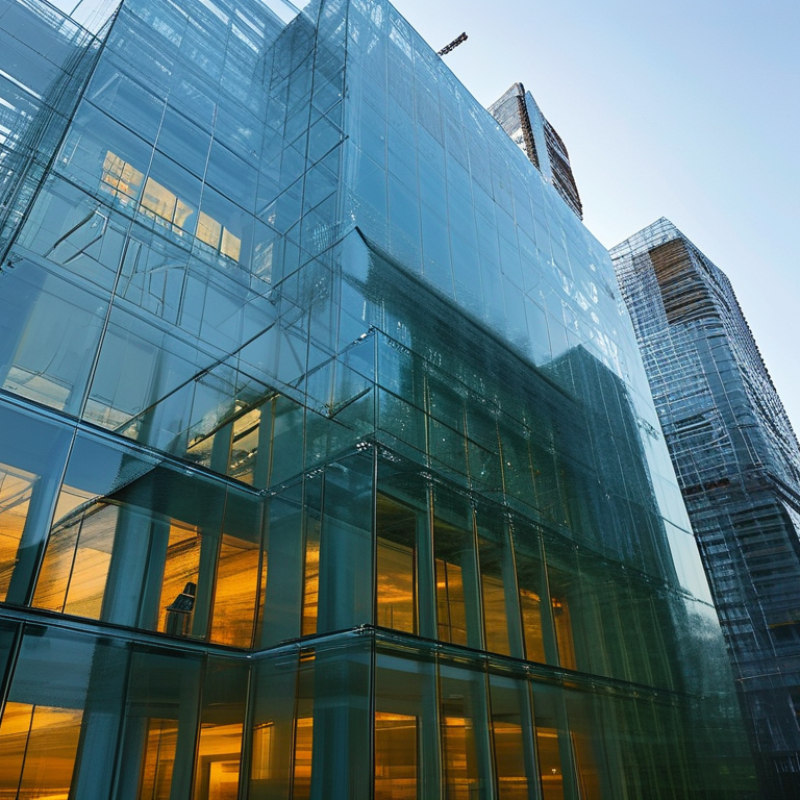
Advancements in Glass Materials Enhancing Structural Integrity
The advancements in glass materials are transforming modern architecture. Today’s innovations focus on enhancing structural integrity. For instance, research shows that high-performance glass can withstand significant forces. This includes winds up to 200 mph, providing safety in extreme weather.
A recent industry report highlights the rise of laminated glass in construction. This material offers superior strength and durability. According to the report, buildings using laminated glass see a 30% reduction in energy costs. These savings come from better insulation properties, making buildings more efficient.
Despite these advancements, there are challenges. The production of high-strength glass can be resource-intensive. This raises concerns about sustainability. The balance between innovation and environmental impact remains an ongoing discussion in the field. As architects push boundaries, the industry must remain mindful of these complexities.
Smart Glass Technologies Revolutionizing Building Design
Smart glass technologies are reshaping the landscape of architectural design. These innovations allow for customization of transparency and thermal performance. Buildings can now dynamically adapt to changing weather conditions. Reports suggest that the global smart glass market is projected to reach $6.2 billion by 2026, growing at a CAGR of 8.2%. This shows a strong trend toward environmentally conscious designs.
The integration of smart glass can significantly reduce energy consumption. Some studies indicate that buildings using smart glass can achieve up to 30% energy savings. However, not all applications are flawless. Installation costs can deter some developers. Additionally, the effectiveness of smart glass can vary based on local climate conditions.
Smart glass does create opportunities for advanced building capabilities. For instance, it can enhance occupant comfort through better sunlight control. Yet, optimally implementing these technologies remains a challenge. Emerging residential projects are now exploring hybrid solutions to leverage both smart glass and traditional windows. As architects experiment, expectations evolve, highlighting the need for continuous innovation.
Energy Efficiency Innovations in Glass Architecture
Innovations in glass architecture are transforming the skyline. Energy efficiency is at the forefront of these changes. Modern designs incorporate advanced glass solutions that reduce heating and cooling costs. Smart glass technology allows windows to adapt to sunlight. This can enhance natural lighting while minimizing energy loss.
It's crucial for architects to consider insulation properties. Double or triple glazing can offer significant benefits. These glass types can reduce noise and increase thermal performance. Using low-emissivity (Low-E) coatings further enhances energy efficiency. Consider integrating shading systems as well. These elements can control glare and improve comfort.
Tips: Look for innovative materials that naturally reflect heat. Research the long-term benefits of energy-efficient glass options. Evaluate the environmental impact of your designs. Real-world data can guide better decisions. Keep updated on new technologies; they can redefine the possibilities in glass architecture. Embrace sustainable practices, as they might not only save costs but also appeal to environmentally conscious clients.
Sustainable Practices in Modern Glass Construction
The evolution of glass architecture has embraced sustainable practices at its core. Today’s designers are pushing boundaries with innovative materials and techniques. Using low-emissivity (Low-E) glass is a prime example of this shift. Low-E glass significantly reduces energy consumption by reflecting infrared heat. Buildings equipped with such glass can maintain a stable indoor temperature. They rely less on heating and cooling systems. This not only lessens energy bills but also reduces carbon footprints.
Tips for sustainable glass architecture include choosing materials wisely. Look for recyclable materials and consider the environmental impact of production. Engage local suppliers to decrease transportation emissions. Additionally, ensure proper insulation in glass installations. This can enhance energy efficiency and comfort levels. Testing different glazing options is crucial. Some choices perform better in specific climates or situations.
Transparency in construction processes is another important aspect. Engaging with all stakeholders helps in making better decisions. Architects, builders, and clients should communicate openly about sustainability goals. This collaboration leads to successful projects that align with eco-friendly standards. Every improvement, no matter how small, is a step towards greener buildings. Reflecting on current practices allows for ongoing enhancement in glass architecture. Embracing these sustainable methods is essential for future-ready designs.
Innovations in Glass Architecture: Sustainable Practices Overview
Aesthetic Trends Influencing Contemporary Glass Facades
The design landscape for glass architecture is evolving rapidly. Modern architects are pushing boundaries to create visually stunning glass facades. These innovations not only enhance aesthetics but also improve functionality. Transparent walls blur the lines between indoor and outdoor spaces. This trend promotes a stronger connection with nature, which many people seek today.
Moreover, unique shapes and textures are becoming popular. Architects experiment with curves, angles, and layered surfaces. This adds depth and intrigue to glass structures. However, there are challenges to consider. Balance between form and energy efficiency is crucial. Poor insulation can lead to higher energy costs. Sustainable materials are needed to ensure durability without compromising beauty.
The rise of smart glass technology is also transforming the field. This glass can adjust its transparency based on sunlight and temperature. It offers privacy while maintaining brightness. Yet, there is still skepticism about long-term performance. Regular maintenance and durability are questions that remain. Consequently, architects must weigh aesthetic appeal against practicality in their designs.
Innovations Shaping the Future of Glass Architecture Today? - Aesthetic Trends Influencing Contemporary Glass Facades
| Dimension |
Details |
| Sustainability |
Incorporation of recycled glass and energy-efficient glazing technologies. |
| Smart Glass |
Integration of technology that allows glass to change transparency based on weather conditions. |
| Aesthetic Customization |
Use of patterns, colors, and textures to enhance visual appeal. |
| Structural Innovations |
Development of stronger, lighter glass materials enabling larger spans and unique designs. |
| Daylighting |
Maximizing natural light to improve interior environments and reduce reliance on artificial lighting. |
Conclusion
The landscape of glass architecture is rapidly evolving, with numerous innovations shaping the future of this field. One major advancement lies in the development of enhanced glass materials, which significantly improve structural integrity, allowing for more ambitious designs. Additionally, smart glass technologies are revolutionizing building design by enabling dynamic control of light and heat, contributing to improved energy efficiency.
Furthermore, sustainable practices are becoming integral to modern glass construction, focusing on reducing environmental impact while maintaining aesthetic appeal. Contemporary glass facades are also influenced by emerging aesthetic trends that prioritize both functionality and visual appeal. In summary, it is clear that what innovations are shaping the future of glass architecture is a blend of technology, sustainability, and design, paving the way for a more innovative and eco-friendly built environment.

 Greensina Glass