In recent years, glass has emerged as a cornerstone of contemporary architecture. Its appeal lies in both its aesthetic qualities and practical benefits. According to a report by the Architectural Institute of America, 70% of architects now prioritize glass in building designs for its ability to enhance natural light. This trend reflects a broader understanding of how design affects well-being.
Architect and glass specialist Robert Smith states, "Glass bridges the gap between indoor and outdoor spaces, creating harmony in modern living." His insights underscore why glass is popular in contemporary architecture. Yet, despite its advantages, challenges remain. The energy efficiency of glass structures often raises questions, especially in terms of climate control.
Moreover, glass’s vulnerability to environmental stressors invites reflection. While it can promote connectivity, it also requires careful consideration of safety and durability. As architects navigate these complexities, the enduring popularity of glass in modern builds continues to spark debate.
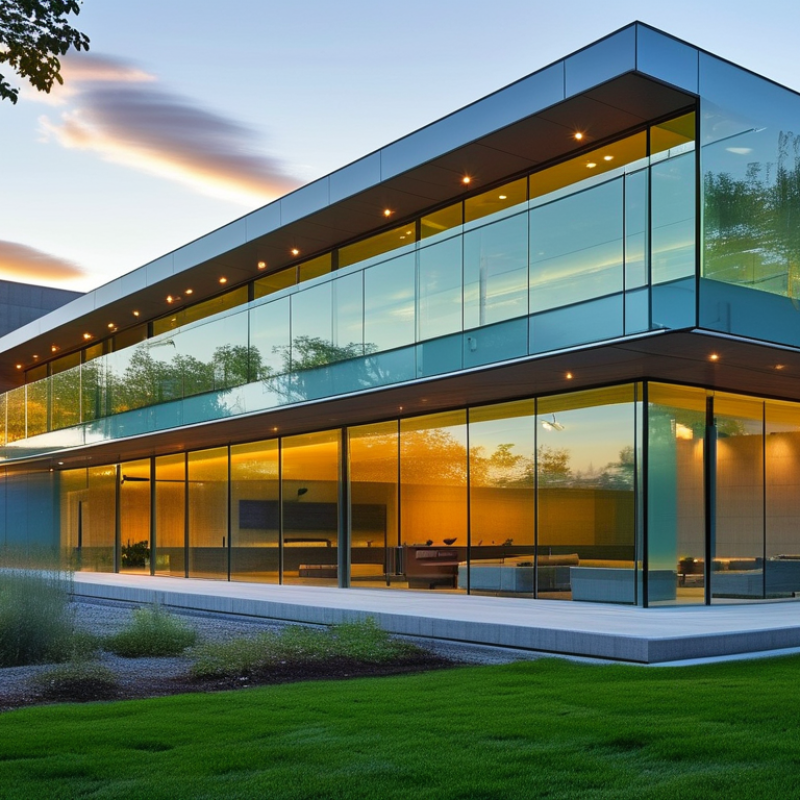
The Evolution of Glass in Architectural Design Over the Decades
The evolution of glass in architecture has transformed significantly over the decades. In the 20th century, glass was primarily used in windows and curtain walls. The iconic glass skyscrapers of the mid-century pushed boundaries. They showcased the beauty of transparency and lightness. According to the American Institute of Architects, about 90% of new commercial buildings incorporate large glass façades today. This shift reflects a growing preference for natural light and open designs.
Modern advancements in technology have enabled architects to utilize glass more creatively. Innovations like tempered glass and double-glazing improve energy efficiency. Reports indicate that energy-efficient glass can reduce heating and cooling costs by up to 30%. Buildings today not only aim for aesthetics but also prioritize performance. Yet, challenges remain, particularly regarding sustainability and the environmental impact of glass production.
When designing with glass, consider its thermal performance. Explore different finishes and coatings to suit your environment. Balance between the desire for openness and energy efficiency is vital. Design choices must be both forward-thinking and reflective of the ecological footprint left behind. Emphasizing functionality alongside beauty can lead to more sustainable architectural practices.
Key Benefits of Using Glass in Modern Construction Projects
Glass is becoming a favorite material in modern architecture. Its aesthetic appeal and functionality offer many benefits in construction projects. One of the biggest advantages is the ability to create open, airy spaces. Large glass windows allow natural light to flood in, reducing energy costs for lighting. This not only enhances the building's ambiance but also promotes a more sustainable environment.
Another notable benefit is the visual connection to the outdoors. Glass facades create a seamless transition between indoor and outdoor spaces. This design feature can improve the occupants’ well-being by providing views of nature. Architects often use this technique to enhance a building's attractiveness. However, achieving the right balance in thermal performance is essential. Poor insulation can lead to energy waste and discomfort.
When using glass, consider durability and maintenance. Glass can be vulnerable to scratches and weathering but selecting the right type can mitigate these issues. Regular cleaning is also necessary to maintain its clarity and appearance. Designing with big glass elements demands careful structural planning too. Skimping on engineering can lead to safety concerns or costly repairs down the line. Balancing aesthetics with practicality remains a challenge in modern construction.
Why is Glass So Popular in Modern Architecture Today? - Key Benefits of Using Glass in Modern Construction Projects
| Benefit |
Description |
Impact on Architecture |
| Natural Light |
Glass allows maximal natural light penetration, reducing the need for artificial lighting. |
Enhances well-being and reduces energy consumption. |
| Aesthetic Appeal |
Offers a sleek and modern look that can make buildings stand out. |
Attracts interest and enhances property value. |
| Versatility |
Can be used in various applications, from windows to facades and interior partitions. |
Enables innovative designs and unique structures. |
| Energy Efficiency |
Advanced glass technologies can improve insulation and reduce heating/cooling costs. |
Supports sustainable building practices. |
| Durability |
Modern glass is engineered to withstand weather, impact, and other environmental factors. |
Reduces maintenance costs and extends the lifespan of buildings. |
Statistical Growth of Glass Usage in High-Rise Buildings
The rise in glass usage in high-rise buildings is remarkable. Industry reports indicate that the percentage of glass facade installations has increased significantly over the last two decades. In 2000, glass constituted approximately 35% of total building materials in skyscrapers. By 2022, this number surged to around 57%. This sharp growth demonstrates a shift towards transparency and light in architectural design.
Moreover, aesthetic appeal is a driving factor. Contemporary designs often incorporate expansive glass surfaces to create a seamless transition between indoor and outdoor spaces. However, the reliance on glass poses challenges. High energy consumption for temperature regulation and potential glare are significant concerns. These issues prompt architects to seek innovative solutions, such as smart glazing technologies.
The use of glass has also been linked to trends in sustainability. Reports show that energy-efficient glass can lower heating and cooling needs by up to 30%. Still, the production process of glass needs to be more eco-friendly. Understanding these nuances is crucial for architects aiming to balance beauty with functionality. As glass continues to dominate modern architecture, ongoing evaluation and adaptation to its challenges remain essential.
Sustainability and Energy Efficiency: Glass in Green Architecture
Glass has emerged as a significant material in modern architecture, largely due to its sustainable qualities. Many architects advocate for glass because it allows natural light to flood indoor spaces. This reduces the necessity for artificial lighting, leading to lower energy consumption. High-performance glass options now offer excellent insulation properties. They can maintain indoor temperatures, decreasing reliance on heating and air conditioning.
Incorporating glass in buildings fosters connections with the outdoor environment. It creates a sense of openness and harmony with nature. However, excessive glass use can lead to challenges. While views are enhanced, overheating can occur in sunny climates. This demands creative solutions to balance aesthetics and performance. Architects must continually assess the environmental impact of their designs to achieve true sustainability. Each project offers a chance for reflection on what works and what does not.
Sustainability in architecture is not just about materials. It’s about the overall lifecycle of the building. Thoughtful choices can lead to energy efficiency and lower carbon footprints. However, glass structures pose questions about recyclability and long-term durability. The industry continues to explore innovative approaches to address these concerns, ensuring that glass remains a viable choice for future green architecture.
Glass in Modern Architecture: Sustainability and Energy Efficiency
Innovative Glass Technologies Shaping Future Architectural Trends
Innovative glass technologies have transformed modern architecture. Smart glass, for example, adjusts its tint based on sunlight. This helps regulate indoor temperatures, cutting energy costs significantly. Architecturally, glass allows for stunning facades that blend seamlessly with nature. Large glass panels invite natural light, creating vibrant living spaces.
Another exciting development is glass reinforcement. This technology enhances strength while keeping weight low. It enables architects to design sleek structures with minimal support. However, the reliance on glass also raises questions about privacy and security. Transparent designs can feel exposed, leaving some occupants vulnerable.
Sustainability is a major focus too. Some glass is now made from recycled materials, reducing waste. Yet, not all glass solutions are eco-friendly. The production process can still be energy-intensive. As architects adopt these technologies, they must weigh benefits against environmental impacts. Balancing aesthetics with functionality will be a key challenge moving forward.
Conclusion
The popularity of glass in contemporary architecture can be attributed to its evolution and the transformative role it plays in modern design. Over the decades, architects have embraced glass for its aesthetic appeal, allowing for open, light-filled spaces and seamless connections between indoor and outdoor environments. This trend is supported by statistical growth in its use within high-rise buildings, where glass facades not only enhance visual appeal but also contribute to structural integrity.
Moreover, glass offers key benefits such as sustainability and energy efficiency, making it a popular choice in green architecture. Innovative glass technologies, including improved insulation and smart glass options, are shaping future architectural trends, further solidifying why glass is popular in contemporary architecture. As a result, glass continues to redefine modern construction, pushing the boundaries of design while promoting environmental consciousness.

 Greensina Glass