Glass plays a vital role in modern architecture. Its appeal goes beyond aesthetics. In recent years, sustainability has become a central focus in building design. Architects and builders are increasingly asked, "what makes glass environmentally friendly in buildings?"
One clear benefit is energy efficiency. Glass can regulate indoor temperatures, reducing reliance on heating and cooling systems. This feature directly contributes to lower energy costs. Another important aspect is its recyclability. Glass is 100% recyclable and can be repurposed without losing quality. This reduces landfill waste significantly.
However, challenges exist. Not all glass types offer the same level of insulation. Careful selection is essential. Moreover, the production process can be energy-intensive. Despite these drawbacks, the advantages of using glass are compelling. It allows natural light to flood spaces, promoting mental well-being. Overall, understanding glass’s role in sustainability is crucial for the future of eco-friendly buildings.
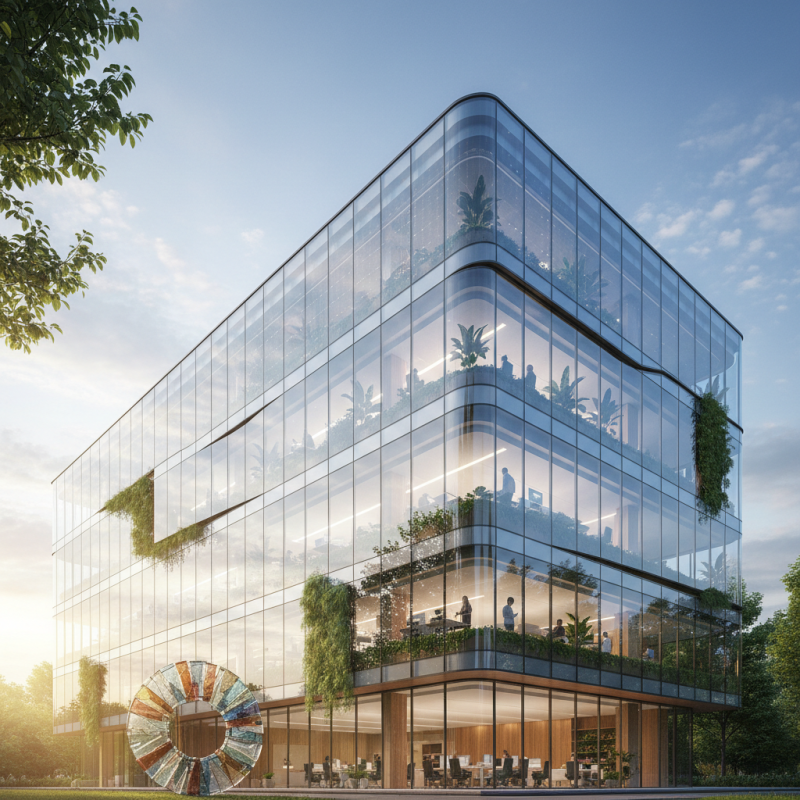
In glass-focused architecture, natural light plays a vital role. The use of glass amplifies daylight, enhancing indoor environments. This sunlight not only brightens spaces but also positively affects mood. Studies show that natural light can boost productivity and reduce eye strain. It's an elegant solution to create inviting atmospheres in workspaces and homes.
Here are some tips to maximize natural light. Use larger windows for better illumination. Consider skylights to bring in more sunlight from above. Reflective surfaces can amplify natural light, making spaces feel larger. However, overexposure to sunlight may lead to glare. Balancing sunlight with shading options is crucial to create comfortable living conditions.
Embracing glass in architecture can also present challenges. Seasonal heat gain or loss may occur, affecting energy efficiency. Selecting energy-efficient glass can mitigate these issues. A careful approach ensures that the beauty of natural light doesn't compromise comfort. Thoughtful design makes glass an empowering element in sustainable architecture.
Glass plays a crucial role in energy efficiency and thermal insulation in buildings. Using high-performance glass can significantly reduce energy consumption. These types of glass can effectively minimize heat loss during colder months. With the right coatings, they reflect excess heat, keeping interiors cool in summer. This natural temperature regulation helps in cutting down heating and cooling costs.
Natural light is another benefit of glass. It brightens spaces and reduces the need for artificial lighting. Yet, excessive sunlight can lead to glare and heat gain. Designing with the right glass can mitigate those issues. It's essential to balance light entry and heat control properly.
The reliance on glass is not without its challenges. Improper installation can lead to gaps, reducing thermal efficiency. This can turn a once-environmentally-friendly choice into a liability. Regular maintenance is crucial to ensure glass remains effective. It's vital to assess the long-term impact on energy use and comfort levels in buildings.
| Reason | Description | Environmental Impact |
|---|---|---|
| 1. Energy Efficiency | Glass can significantly reduce energy consumption by maximizing natural light. | Lower energy use leads to reduced carbon emissions. |
| 2. Thermal Insulation | High-performance insulated glazing helps maintain indoor temperatures. | Enhances building comfort while saving on heating and cooling costs. |
| 3. Recyclability | Glass is 100% recyclable without loss of quality. | Reduces landfill waste and conserves raw materials. |
| 4. Natural Light Optimization | Maximizes daylight entry, reducing dependence on artificial lighting. | Promotes energy savings and improves occupant well-being. |
| 5. Reduced Urban Heat Island Effect | Reflective glass technologies can help manage heat absorption. | Contributes to lower ambient temperatures in urban areas. |
| 6. Aesthetic Versatility | Available in various forms and finishes, enhancing design flexibility. | Encourages sustainable architectural solutions. |
| 7. Noise Reduction | Soundproof glass options can diminish outside noise pollution. | Improves quality of life in urban environments. |
| 8. Safety Features | Laminated glass options enhance building security. | Reduces damage from accidents and natural events. |
| 9. Passive Solar Heating | Utilizes sunlight for natural heating during colder months. | Lowers energy needs for heating. |
| 10. Durability | Glass has a long lifespan and requires fewer replacements. | Results in lower resource consumption over time. |
Recyclability is a key feature of glass, making it a preferred choice in sustainable building practices. Glass can be recycled countless times without losing quality. This means that old glass can be transformed into new products repeatedly, conserving both materials and energy. It significantly reduces the amount of waste ending up in landfills. When broken, glass can be collected and used in a variety of applications, from new bottles to construction materials.
Sustainability goes beyond recycling. Producing glass requires significant energy, often from fossil fuels. However, advancements have improved energy efficiency in production. Using recycled glass in manufacturing lowers this energy demand. One surprising fact is that using recycled content reduces emissions remarkably. The use of glass in buildings also enhances natural light, reducing reliance on artificial lighting. Yet, some challenges remain. Not all glass is easily recyclable, making separation and collection essential. Improving glass recycling systems can help address these issues and further promote its environmental benefits.
Glass buildings play a vital role in reducing the urban heat island effect. Urban areas often trap heat, leading to increased temperatures. Glass allows natural light to penetrate, reducing the need for artificial lighting. This natural illumination can save energy and lower cooling costs.
While glass is great for energy savings, it has some shortcomings. The reflective nature of glass can create glare issues. This may affect nearby residents and wildlife. Moreover, large glass structures can absorb heat, which may inadvertently raise temperatures in surrounding areas.
Proper design can mitigate some of these issues. Using low-emissivity glass can improve energy efficiency. Incorporating greenery around glass buildings helps cool the area. Smart architectural choices promote sustainability while still maximizing aesthetics. Balancing design and practicality remains a challenge. The growing trend of glass in architecture demands continuous refinement and innovation.
Glass structures offer an innovative solution for enhancing indoor air quality. Large glass windows allow natural light to flood spaces. This light can uplift moods and improve productivity. Plus, natural ventilation can arise through strategic window placements. Harmful pollutants can be reduced effectively with clean air circulation.
Here are some tips for maximizing indoor air quality with glass buildings.
Consider the placement of glass panels carefully. Unintentional glare can lead to discomfort. You may want to use shading devices. While glass enhances aesthetics, improper design can also impact energy efficiency. Balance is key for improving both air quality and energy usage.
: Glass structures allow natural light, reducing reliance on artificial lighting. This can lower cooling costs significantly.
Glass can create glare and heat absorption. This could raise temperatures in nearby areas, affecting comfort.
Using low-emissivity glass enhances energy efficiency. Incorporating greenery around buildings helps with cooling.
Large windows allow natural light, improving mood and productivity. Strategic window placements promote better air circulation.
Use low-emission glass and include green plants for filtering. Regular cleaning prevents dust and pollutant buildup.
Excessive glare or energy inefficiency can impact comfort. A thoughtful approach ensures both beauty and functionality.
Glass is increasingly recognized for its environmental benefits in building architecture due to several key factors. First, its ability to maximize natural light significantly enhances the well-being of occupants while reducing reliance on artificial lighting, thus saving energy. Additionally, glass offers excellent thermal insulation properties, contributing to energy efficiency by minimizing heating and cooling demands. Its recyclability and sustainable production practices further establish what makes glass environmentally friendly in buildings, as it can be reprocessed and reused without losing quality.
Moreover, the use of glass in construction helps mitigate the urban heat island effect, promoting cooler city environments. Glass structures also improve indoor air quality by allowing for better ventilation and reducing the need for artificial climate control systems. Collectively, these attributes illustrate the multitude of benefits that glass provides, aligning with contemporary sustainability goals in the construction industry.
Greensina Glass