Glass can transform a building from a solid structure into a changing visual experience. It captures daylight, reflects nearby trees, and reveals interior activity after sunset. This material also creates a direct relationship between architecture and its surroundings. Therefore, understanding how glass enhances building aesthetics requires more than choosing a transparent surface.
Experienced designers study glass color, texture, reflectivity, and framing details together. Clear glass can create openness, while tinted glass adds controlled depth and visual calm. Low-iron glass often provides sharper views and a cleaner appearance. Patterned or fritted glass can soften sunlight and introduce subtle identity. Even a small change in mullion spacing can alter the entire façade.
Glass is not magic.
A beautiful façade can still cause glare, heat gain, or uncomfortable reflections. These problems may weaken the design and disappoint occupants. Reliable decisions should combine aesthetic goals with daylight studies, energy modeling, and physical mock-ups. Architects, engineers, and specialist fabricators can test samples under different weather and viewing conditions. Local building standards and verified product data also deserve careful attention.
The strongest results usually come from balance. Transparent walls should support privacy, comfort, and proportion. Reflections should frame the city without overwhelming it. Maintenance access matters, too, because dust can quickly change a polished surface. I have found that the most successful glass designs are not always the most dramatic. Sometimes, restrained transparency creates greater character. That judgment remains open to debate, but thoughtful testing makes the final choice more dependable.
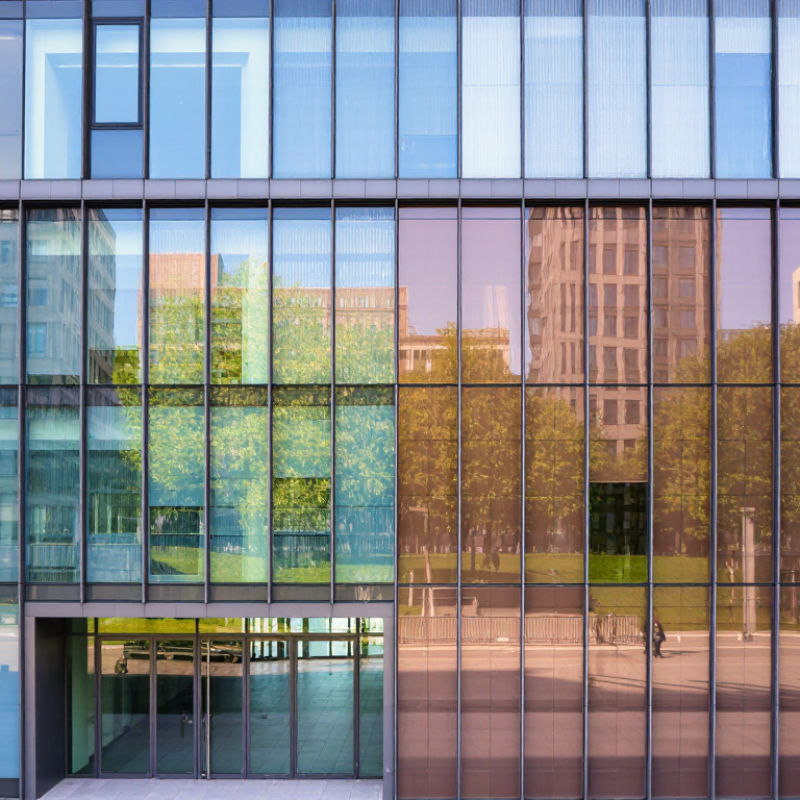
Glass is not merely a transparent finish. It shapes how people experience a building. Its aesthetic role begins with light, reflection, proportion, and connection to the surrounding landscape. A large window can make a narrow room feel generous, while a smaller opening may create focus and privacy.
In practice, glass works best when its appearance supports the building’s purpose. Clear glass offers openness and daylight. Translucent glass softens movement and protects personal space. Textured surfaces can add depth, especially when sunlight changes throughout the day. I once saw a bright lobby become uncomfortable because its glass façade created strong afternoon glare. The design looked elegant in drawings, but daily use revealed a weakness. Aesthetic decisions need technical testing, not only visual confidence.
Tips: Study the building from inside and outside. Check morning and afternoon light. Compare reflections after rain. Use framing, screens, or subtle textures when clarity feels excessive. Do not treat transparency as the only sign of modern design. Slight visual imperfections may even add character, but uncontrolled glare, heat, and awkward reflections should not be romanticized. Experienced designers review samples at full scale, because a small glass panel rarely represents the final effect. They also coordinate appearance with structure, energy performance, maintenance, and local context. A beautiful façade should still feel calm, usable, and believable years later.
Glass can shape a building’s character, but its beauty depends on informed selection. The 2023 UNEP Global Status Report states that buildings consumed 32% of global energy in 2022. Therefore, appearance and performance should be designed together. Low-emissivity glass can limit unwanted heat transfer, while solar-control coatings help manage intense western sunlight. Climate and orientation matter more than fashion.
Start with light. Clear glass delivers brightness, but excessive transparency can create glare and overheating. Translucent glass softens daylight in bathrooms, stairwells, and reception areas. Fritted patterns can reduce direct sun while adding rhythm to large façades. The International Energy Agency reports that building operations produce about 26% of global energy-related emissions. Small choices become significant across many windows.
Color and texture should support the space, not compete with it. Tinted glass can add bronze, grey, or blue character, although indoor colors may shift noticeably. Acid-etched or patterned surfaces provide privacy without making rooms feel sealed. Laminated glass with an opaque interlayer offers stronger visual control and improved safety performance. For meeting rooms, switchable privacy glass can be useful, but its controls need careful planning. I have seen beautiful installations fail because fingerprints, reflections, and nighttime visibility were ignored. No glass specification is perfect. Mock-ups are worth the inconvenience. Evaluate samples in morning, afternoon, and artificial light. Use daylight metrics, glare analysis, and local energy requirements before approving the final assembly.
Select glass types according to their visible light transmission, color, texture, and privacy performance.
The chart uses representative architectural-glass values. Clear and low-iron glass maximize daylight, tinted glass adds color and solar control, while acid-etched and translucent laminated glass provide more visual privacy through surface texture or diffusion. Actual performance varies by thickness, coating, color, and manufacturer specification.
Glass does more than bring daylight indoors. It frames trees, streets, courtyards, and changing weather. Place larger openings where views offer depth or daily visual interest. Smaller windows can protect privacy while maintaining natural light. A low window may connect a seated person with a garden. A higher opening can brighten a corridor without exposing private rooms.
A drawing can look perfect. The real space may feel different. Test sightlines at standing and seated heights before fixing the design. Check glare during morning and afternoon hours. Glass facing strong sunlight may require shading, low-emissivity performance, or adjusted angles. Professional consultation also helps assess structural loads, thermal comfort, ventilation, and local safety requirements. These details shape experience as much as appearance.
Tips: Map the sun before placing major glass panels. Use physical mock-ups or temporary frames to test views. Keep important furniture away from direct glare. Consider translucent sections near bathrooms and bedrooms. Leave visual pauses between transparent areas. Too much glass can weaken comfort and make interiors feel exposed. A little restraint often creates a stronger architectural rhythm.
Glass can make a building feel lighter, brighter, and more connected to its surroundings. Its effect becomes stronger when it works with structural materials, rather than appearing as an isolated surface. A steel frame can create crisp lines around transparent panels. Warm timber can soften a large glass wall and add visual comfort. Stone edges may give the facade a grounded, permanent character. At a lobby entrance, a glass canopy can extend beyond the wall and create a clear threshold between street and interior.
Successful combinations require more than visual taste. Designers should consider glass weight, wind pressure, thermal movement, drainage, and maintenance access. Structural connections must be reviewed by qualified professionals. Sealants, gaskets, and fixing points also influence the final appearance. Small details matter. Uneven joints can weaken an otherwise refined facade. A perfectly clear elevation may look impressive in drawings, yet feel cold in daily use. I have found that filtered light, textured glass, or narrow solid panels often create a more welcoming result.
Tips:
Match glass transparency with the material beside it. Use darker glass carefully near pale stone, because reflections can become harsh. Align mullions with floor lines, doors, or structural grids. Leave space for cleaning and future repairs. Test samples outdoors before approval. Indoor lighting can hide problems that become obvious under changing daylight. The first concept is not always the best. Reconsider it after viewing the building from the sidewalk, not only from a screen.
Glass can sharpen a building’s identity, but appearance must survive heat, glare, dirt, and changing daylight. The U.S. Department of Energy estimates that windows cause 25–30% of residential heating and cooling energy use. That figure makes glass selection more than a visual decision. Low-emissivity coatings, insulated units, and external shading can reduce unwanted heat transfer while preserving transparency.
Performance should be tested beside maintenance planning. The International Energy Agency’s Energy Efficiency 2023 report states that buildings consume about 30% of global final energy. A poorly specified glass façade can increase cooling demand and weaken the building’s environmental performance. Site orientation matters. East and west elevations often receive harsh, low-angle sunlight. Deep reveals, fins, or adjustable blinds may protect interiors better than darker glass alone.
Maintenance also shapes long-term visual impact. Water marks collect beneath joints, dust settles on horizontal ledges, and sealant discoloration becomes obvious on pale façades. A cleaning plan should identify access routes, washing frequency, drainage details, and replacement procedures. Small details matter. I have seen elegant façades lose their clarity because maintenance access was treated as an afterthought. Yet durability is not guaranteed by expensive glass. Designers should review sample panels after weather exposure, not trust renderings alone. The first design may be wrong. That is worth discovering early.
Consider climate, building orientation, daylight, heat gain, and glare together. Clear glass may look bright but cause overheating. Low-emissivity glass can reduce unwanted heat transfer. Fashion alone is not enough.
Translucent glass softens daylight and protects privacy. It suits bathrooms, stairwells, corridors, and reception areas. The room stays bright. Not completely open.
Fritted patterns can reduce direct sunlight and create visual rhythm across large façades. Acid-etched surfaces add privacy without making rooms feel sealed. Patterns still need regular cleaning.
Bronze, grey, and blue tints can strengthen a building’s character. They may also change indoor colors noticeably. Test samples beside furniture and wall finishes before approval.
Place large openings toward trees, courtyards, or streets with changing views. Use smaller windows near private rooms. A low window can connect a seated person with a garden.
Check sightlines at standing and seated heights. Use temporary frames or physical mock-ups. Test morning, afternoon, and artificial light. A perfect drawing may feel wrong onsite.
East and west windows often receive harsh, low-angle sunlight. Consider external shading, deep reveals, fins, adjustable blinds, or suitable coatings. Darker glass alone may not solve glare.
Water marks collect below joints, while dust settles on horizontal ledges. Pale façades reveal sealant discoloration quickly. Plan cleaning access, drainage, washing frequency, and replacement procedures.
No. Durability depends on detailing, exposure, cleaning, and installation quality. Review sample panels after weather exposure. The original design may be wrong. Better to discover that early.
Glass plays a vital role in shaping a building’s visual identity and emotional atmosphere. How glass enhances building aesthetics depends on thoughtful choices in transparency, color, texture, reflectivity, and privacy. Clear glass can expand views and invite natural light, while tinted, frosted, patterned, or textured glass can create visual interest and control glare. By carefully planning its placement, designers can frame landscapes, connect interior and exterior spaces, guide movement, and create a stronger sense of openness or intimacy.
Glass becomes even more expressive when combined with materials such as concrete, stone, wood, and metal, as well as carefully designed frames, screens, and architectural details. Its aesthetic value should also be considered alongside thermal performance, safety, cleaning requirements, durability, and changing daylight conditions. A successful glass design balances beauty with practical performance, ensuring that the building remains attractive, comfortable, and visually coherent throughout its life.

Greensina Glass