Why Do Sustainable Buildings Favor Glass Design?

Time:2026-06-04 Author:Ethan
0%

In recent years, there has been a notable trend in architecture towards sustainable buildings. One prominent characteristic of these structures is their extensive use of glass. This design choice raises the question: why do sustainable buildings use more glass? Glass integrates natural light effectively, reducing the need for artificial lighting. This can lower energy consumption significantly.

Moreover, glass improves aesthetics, enhancing the visual connection with nature. Transparent facades invite the surrounding environment into the building. However, the reliance on glass can spark debates about insulation and energy efficiency. While glass allows light, it can also lead to heat gain or loss if not designed properly. This presents challenges for architects aiming to balance style with sustainability.

Ultimately, the use of glass in sustainable buildings reflects a deeper philosophy. It embodies a commitment to openness and environmental harmony. However, it also requires careful consideration of materials and energy demands. Hence, the question remains complex, showcasing both the benefits and the challenges of modern architectural practices.
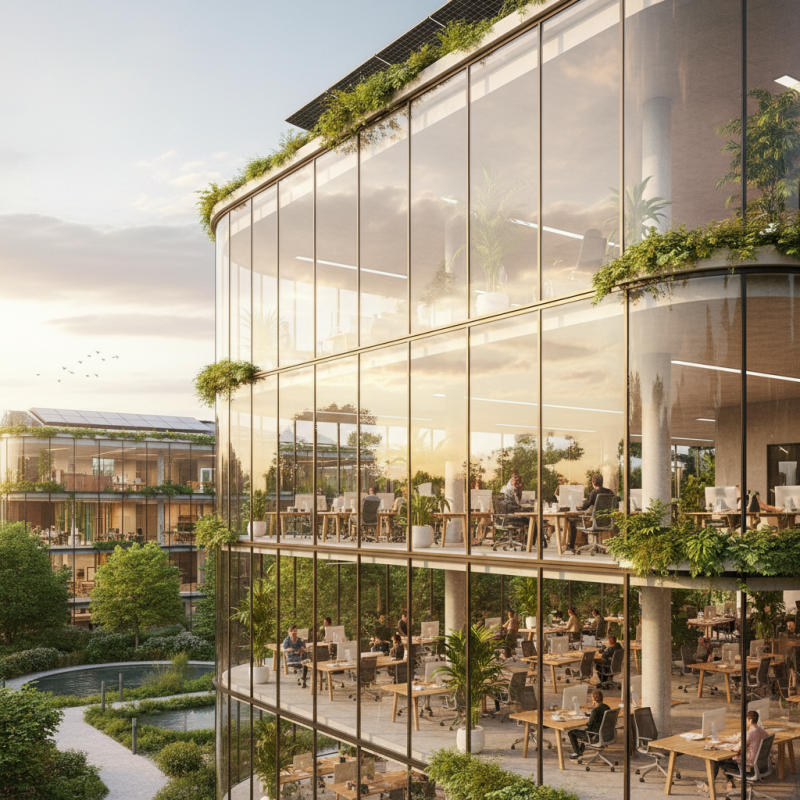
Why Do Sustainable Buildings Favor Glass Design?

Benefits of Glass in Sustainable Building Design

Sustainable building design increasingly incorporates glass as a central element. This choice stems from the numerous benefits glass provides for energy efficiency. According to the Global Alliance for Buildings and Construction, buildings are responsible for about 38% of global carbon emissions. Utilizing glass can help reduce this figure by optimizing natural light and minimizing reliance on artificial lighting.

Glass facades and windows enhance thermal performance. They allow sunlight in while preventing excessive heat loss. Studies show that buildings with high-performance glazing can reduce energy consumption by up to 50%. This is significant for both environmental impact and utility costs. Yet, the balance between aesthetics and energy savings can be tricky. Excessive glazing may lead to overheating, requiring additional cooling systems.

Furthermore, glass contributes to occupant well-being. It provides expansive views and connection to nature, which have been linked to improved productivity. The World Green Building Council notes that natural light can boost mood and reduce stress. However, overly relying on glass can compromise privacy and create glare. Finding the right balance remains a challenge for architects. They must consider the trade-offs alongside the design goals.

Why Do Sustainable Buildings Favor Glass Design?

This chart represents the benefits of glass in sustainable building design. It highlights key aspects such as Natural Light, Energy Efficiency, Aesthetic Appeal, Recyclability, and Thermal Performance, showing their importance in percentage values.

Energy Efficiency and Natural Lighting in Glass Structures

Glass structures have gained popularity in sustainable building design due to their energy efficiency and natural lighting benefits. Research indicates that buildings with extensive glass facades can reduce lighting demand by up to 50%. Natural daylighting minimizes the need for artificial lighting, which can significantly lower energy costs. For instance, studies from the U.S. Department of Energy show that well-designed glass buildings consume 30% less energy than traditional structures.

Natural light enhances occupant well-being. Studies reveal that access to sunlight can improve mood and productivity. Employees in glass-filled offices report higher satisfaction levels. However, this design comes with challenges. In hot climates, excessive sunlight can lead to overheating. Effective shading and glazing techniques are crucial to manage this. Implementing low-e coatings can reduce heat gain while allowing natural light to filter through.

**Tip:** Consider the orientation of your glass structure. Positioning it to maximize indirect sunlight can minimize glare and optimize energy efficiency. Utilize smart glass technologies to adapt the building's lighting with changing conditions. This enhances comfort while maintaining sustainability.

Why Do Sustainable Buildings Favor Glass Design? - Energy Efficiency and Natural Lighting in Glass Structures

Aspect Benefits Impact on Energy Efficiency Natural Lighting Contribution
Thermal Performance Improves insulation properties Reduces heating and cooling costs by up to 30% Allows natural light to penetrate deeper into spaces
Daylight Harvesting Enhances occupant well-being Can reduce the need for artificial lighting by 50% Improves productivity and mood in work environments
Aesthetic Appeal Modern and sleek designs Increases property value Creates visually pleasing environments
Low-E Coatings Reduces heat transfer Significantly lowers energy consumption Maintains bright interiors while minimizing glare

Aesthetic Appeal and Modern Architecture with Glass Facades

Glass facades have become a hallmark of modern architecture. They offer a sleek and contemporary look that attracts both architects and clients alike. The appeal of glass lies not just in its aesthetics, but also in its ability to transform spaces. Large panels create an illusion of openness. They allow natural light to flood interior environments, enhancing well-being.

However, the beauty of glass is not without challenges. Thermal efficiency can be a concern. Buildings must be designed to minimize energy loss. Sustainability in glass design involves selecting the right type of glass. Innovative coatings can help in controlling heat and glare. Still, the question remains—how much glass is too much?

Beyond practicality, glass facades change our perception of buildings. They reflect the surrounding environment, creating a seamless connection with nature. But this transparency can also lead to privacy concerns. Balancing openness with intimacy requires thoughtful design decisions. Architects face the ongoing challenge of creating structures that are both inviting and functional.

Environmental Impact of Glass Materials in Construction

The use of glass in sustainable buildings has grown due to its environmental benefits. According to a report by the U.S. Green Building Council, buildings with large glass facades can reduce energy consumption by up to 30%. This reduction is primarily due to increased natural light, which decreases the need for artificial lighting. Moreover, modern glass technologies enhance insulation, making buildings more energy-efficient.


Despite these advantages, there are challenges. While glass can reduce energy use, it may lead to excessive heat gain in warmer climates. The American Institute of Architects notes that improper placement can increase cooling loads. Careful design is essential to balance aesthetics and function. It's important to explore options like low-e coatings that minimize heat transfer without sacrificing visibility.


Tips: Always consider the orientation of windows when designing. South-facing glass can trap heat, while shaded areas can reduce reliance on air conditioning. Ensure that a building's glass design aligns with local climate considerations. Understand that there are trade-offs; not all glass solutions are sustainable in every context.

Innovative Technologies Enhancing Glass Sustainability

Sustainable buildings increasingly favor glass design for its many benefits. Innovative technologies are enhancing the sustainability of glass, making it a preferred choice. For example, advanced glazing techniques allow for significant reductions in energy use. According to a report from the World Green Building Council, properly designed glass facades can cut energy consumption by up to 30%.

New materials are emerging in the glass industry, like low-emissivity (Low-E) coatings. These coatings reflect heat and UV rays while allowing natural light. They maintain comfort within buildings and reduce reliance on artificial lighting. Studies show that using Low-E glass can decrease heating and cooling costs by 20% or more.

Tips: Consider the orientation of glass in your designs. Strategic placement can further enhance energy efficiency. Don’t overlook maintenance; sustainable glass requires regular care to uphold its performance. Remember, innovation is ongoing. Reflect on how you can embrace new technologies in your next project.

FAQS

: What are the main benefits of glass facades in modern architecture?

: Glass facades create a sleek look, enhance natural light, and transform spaces, fostering a sense of openness.

What challenges come with using glass in construction?

Concerns include thermal efficiency and energy loss. Proper design is crucial to overcome these challenges effectively.

How can glass facades impact energy consumption?

Buildings with glass facades can reduce energy use by up to 30% due to increased natural light and improved insulation.

What is the impact of glass on privacy in buildings?

Glass facades can create transparency that leads to privacy concerns, requiring careful design to maintain intimacy.

What role do innovative coatings play in glass sustainability?

Advanced coatings, like low-e coatings, help control heat and glare, improving energy efficiency without losing visibility.

How should window orientation be considered in design?

South-facing glass can trap heat, while shaded windows can reduce reliance on air conditioning. Orientation is key.

Why is regular maintenance important for glass facades?

Sustainable glass requires upkeep to maintain its performance and energy efficiency. Neglect can negate its benefits.

Are all glass solutions environmentally sustainable?

Not every glass option is sustainable in every context. Trade-offs must be assessed based on local conditions and needs.

What should architects reflect on when using glass?

Architects should consider innovations in glass technologies and how they can improve energy efficiency in their designs.

Conclusion

The use of glass in sustainable building design has gained popularity for several compelling reasons. Firstly, glass structures enhance energy efficiency by maximizing natural light, reducing the need for artificial lighting, and optimizing energy consumption. This natural illumination not only lowers energy costs but also creates healthier indoor environments. Furthermore, the aesthetic appeal of glass facades aligns perfectly with modern architectural trends, offering sleek and innovative designs that attract attention.

In addition to visual and functional benefits, the environmental impact of glass materials is being addressed with innovative technologies that improve their sustainability. By utilizing recycled glass and advanced technologies that enhance insulation and energy performance, architects and builders are showing why sustainable buildings use more glass. Ultimately, the combination of these factors makes glass a preferred choice for those aiming to strike a balance between environmental responsibility and contemporary aesthetics.

Ethan

Ethan

Ethan is a seasoned marketing professional with a deep expertise in our company's innovative product line. With a passion for sharing knowledge and insights, he takes the lead in regularly updating our corporate blog, where he explores industry trends, product features, and effective marketing......