China Top Flat Edge Glass Supplier & Suppliers

Precision Engineering, Robust Quality Control, and Worldwide Custom Architectural Solutions by Hangzhou Greensina Glass Co., Ltd.

Corporate Profile & Integrity

Hangzhou Greensina Glass Co., Ltd.

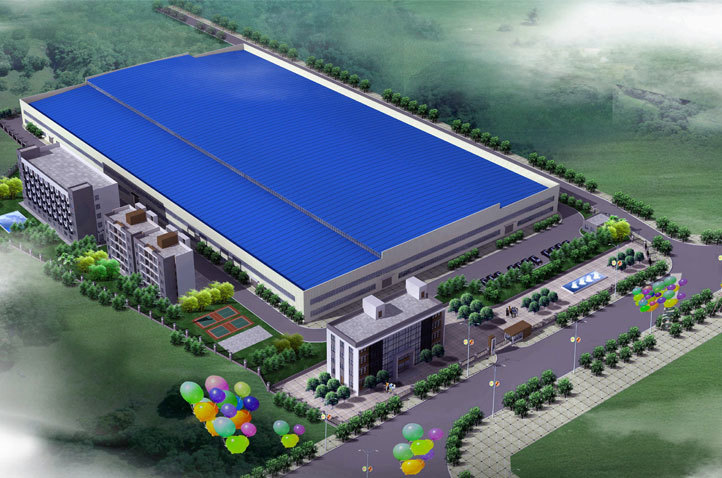
Established in 2010, Hangzhou Greensina Glass Co., Ltd. has developed from a dedicated glass processing workshop into a premier structural and architectural glass exporter. Located in the industrial core of Hangzhou, Zhejiang Province, China, our close proximity to the Ningbo and Shanghai ports enables optimized marine logistics for major structural glass components. We operate from a 7,000-square-meter facility with a workforce exceeding 90 specialists, including veteran engineers, quality assurance inspectors, and logistics professionals.

Our core catalog focuses on architectural flat-edged and polished glass, safety tempered panels, high-attenuation laminated assemblies, double-sided acid-etched decorative glass, and energy-conserving smart PDLC switchable systems. Greensina Glass structures operations around international quality standards to supply architects, structural engineers, and global commercial entities with glass that fulfills strict safety and aesthetic standards.

Greensina Glass Office and Staff Structure
2010
Year Founded
Decade of Production Stability
7,000㎡
Facility Footprint
Modern Processing Plant
90+
Technical Experts
Skilled Engineers & QA Personnel
40+
Global Markets
Exporting to EU, NA, and APAC

The Architecture of Flat Edge Glass: Engineering & Sourcing Standards

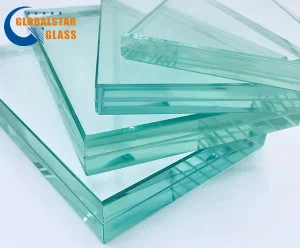
In modern architecture and precision interior design, glass panels serve as both structural elements and functional interfaces. Flat edge glass is characterized by its clean, straight profile and polished arris, providing critical edge-strength and structural integrity. Standard flat edge glass goes beyond simple cutting to require specialized diamond grinding, step-polishing, and thermal tempering. This process reduces edge stress concentrations, which are the primary cause of spontaneous glass breakage in high-load architectural settings.

Flat Polished Edge (Flat & Arris)

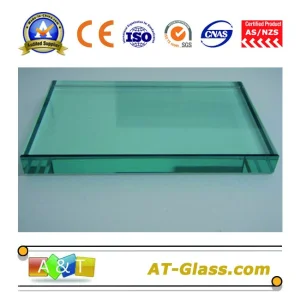
Features a flat ground profile with safety chamfers (arris) on the top and bottom corners. It eliminates sharp outer surfaces, making it ideal for glass partitions, structural railings, and retail storefronts.

Ground Edges (Flat Mitered)

Engineered for glass-to-glass structural joints. It features precise bevels ranging from 45 to 90 degrees, ensuring tight fitments for curtain walls and clean corner structures.

Tempered Safety Profiles

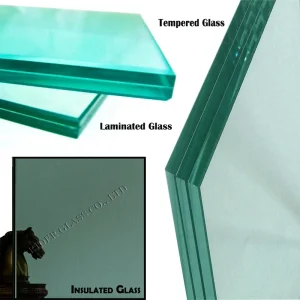
Processed under strict thermal cycles, offering up to 5 times the mechanical strength of standard float glass. Upon impact, it fractures into small, blunt fragments to protect occupant safety.

The Flat Edge Polish Manufacturing Workflow

At Greensina Glass, we utilize automated bilateral grinding lines and multi-stage polishing wheels to prepare glass edges. Processing follows a structured quality workflow:

01

CNC Edge-Cutting

Raw float sheets are dimensioned using CNC cutting tables to ensure tolerances within +/- 0.5mm.

02

Bilateral Diamond Grinding

Diamond-grit wheels remove the rough edges, generating a uniform flat surface and arris profiles.

03

Cerium Oxide Polishing

Using sub-micron polishing agents, we restore optical clarity to the edges, eliminating micro-fractures.

04

Thermal Tempering / HST

Panels are heated to ~620°C and rapidly quenched. Optional Heat Soak Testing (HST) prevents spontaneous breakage.
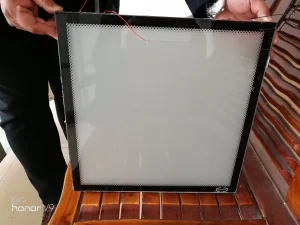
Greensina Glass Production and CNC Machinery
Supply Chain Leadership

Supply Chain and Logistics Control

Choosing a flat edge glass supplier from China requires balancing cost, technical capability, and logistics management. Based in Hangzhou, Greensina Glass sources premium raw float glass sheets from leading national glass brands (including CSG, Xinyi, and Jinjing). This foundation guarantees uniform mechanical properties and minimal nickel sulfide inclusions across our product runs.

By operating our own tempering furnace, autoclave laminating lines, and CNC polishing equipment within a single facility, we eliminate intermediate processing delays. This integrated setup keeps our production cycle 15% shorter than suppliers relying on outsourced tempering or edging. Our facility is situated close to the Shanghai and Ningbo-Zhoushan ports, allowing us to rapidly ship heavy-duty, container-loaded glass crates worldwide.

Global Procurement Demands: Compliance & Structural Safety

For international commercial buyers, engineering procurement managers, and façade designers, structural glass must meet stringent domestic and global construction codes. Building regulations dictate safety criteria, wind-load resistance, thermal stress calculations, and optical performance. Sourcing flat edge glass from China requires a supplier who provides complete traceability and verifiable testing certifications:

  • North American Market: Complies with SGCC (Safety Glass Certification Council) standards and ANSI Z97.1-2015 safety requirements for architectural glazing materials.
  • European Market: Meets EN 12150-1 (tempered safety glass) and EN 14449 (laminated safety glass) criteria, backed by CE declarations of performance.
  • Oceania Market: Meets AS/NZS 2208:1996 certification, which is mandatory for balustrades, pool fencing, and overhead structural assemblies in Australia and New Zealand.

Flat Edge Glass Application Scenarios

Our flat edge glass products are engineered for diverse structural and aesthetic installations:

1. Structural Balustrades & Fencing

Polished flat edges with round corner treatments provide a clean profile for modern frameless railings, architectural balconies, and safety barriers.

2. Office Partitions & Shopfronts

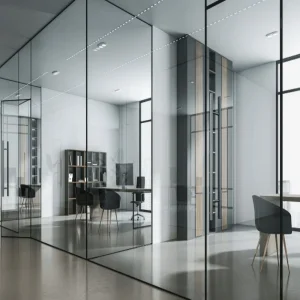
Precision-ground miters enable seamless glass-to-glass corner joins, creating bright, unobstructed interior layouts and storefront displays.

3. High-End Appliances & Smart Displays

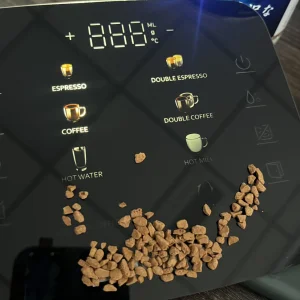
Ultra-precise edge polishing on thin glass substrates (3mm-6mm) ensures reliable integration with capacitive touch control panels and appliance covers.

Industry Trends: Smart Control and Low-Emissivity Integration

Modern architecture demands sustainable and multi-functional building envelopes. The traditional glass pane has evolved into an active energy-management component. Key industry developments include:

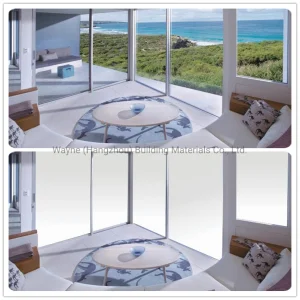
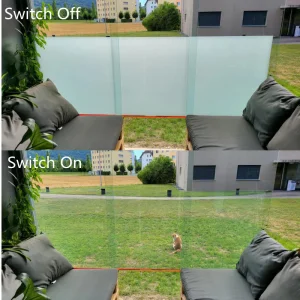
  • Electrochromic & Smart PDLC Glass: Allows spaces to instantly transition between transparency and privacy, reducing reliance on motorized blinds and mechanical cooling.
  • High-Performance Laminations: Utilizing SentryGlas (SGP) ionoplast interlayers provides five times the tear strength and one hundred times the rigidity of standard PVB, making it ideal for cyclone-resistant windows and structural skylights.
  • Energy-Efficient Glazing: Low-E coatings combined with argon gas fills minimize thermal transfer, helping buildings achieve LEED and BREEAM certifications.

Technical & Commercial FAQ

Answers to common engineering, quality management, and international logistics questions when sourcing flat edge glass from China.

What is the difference between a ground flat edge and a polished flat edge?

A ground flat edge has a matte, opaque finish created by diamond grinding wheels. It is commonly used when the glass edge will be hidden within a frame or profile. A polished flat edge undergoes an additional polishing stage using cerium oxide or wool wheels to restore high transparency and shine, which is necessary for exposed glass margins.

How does Hangzhou Greensina Glass prevent spontaneous tempering breakage?

Spontaneous breakage is primarily caused by microscopic Nickel Sulfide (NiS) inclusions expanding inside the tempered core. We minimize this risk by using high-grade float glass substrates with low impurity levels. For high-stress applications like skylights, glass railings, and structural glass walls, we offer optional Heat Soak Testing (HST) to EN 14179 standards to isolate and eliminate unstable panels.

What export packaging techniques are used to prevent shipping damage?

We pack our glass panels using heavy-duty, moisture-resistant plywood end-cap crates or A-frame racks. Desiccants are included to prevent condensation stains, and soft cork pads or paper interlays separate each sheet. Crates are secured in shipping containers using steel bands and timber braces to prevent shifting during maritime transit.

Can you provide custom-colored glass panels and decorative textures?

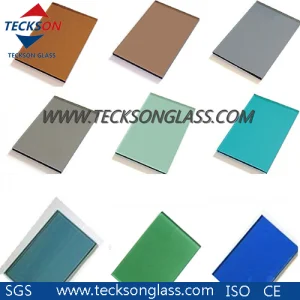
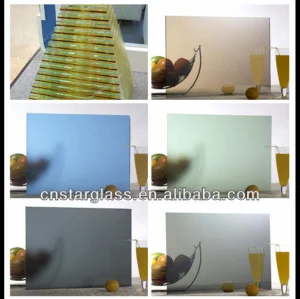
Yes, our production lines process clear, low-iron (ultra-white), tinted (green, grey, bronze, blue, black), acid-etched translucent glass, and reflective coatings. We also laminate using custom PVB color interlayers to match specific RAL design requirements.