Explore our curated collection of industrial-grade safety glass products. Each component undergoes rigorous edge configuration checks to meet safety criteria, optimized for residential structures, thermal performance, and dynamic commercial displays.
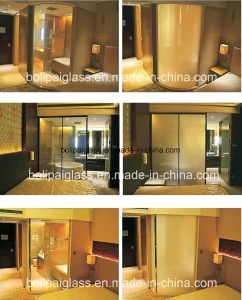
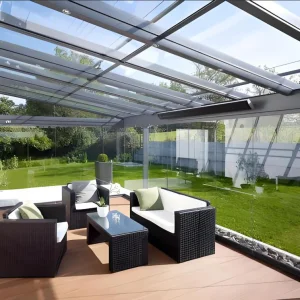
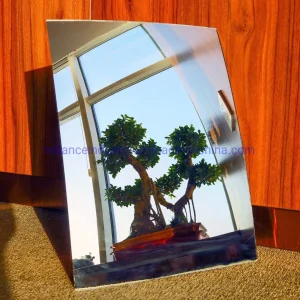
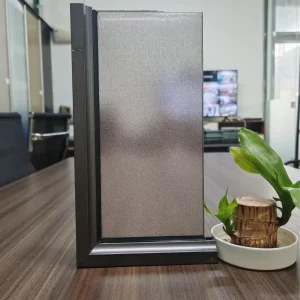
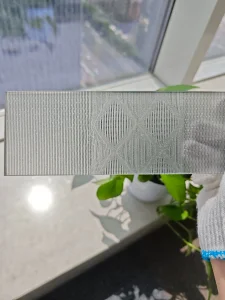
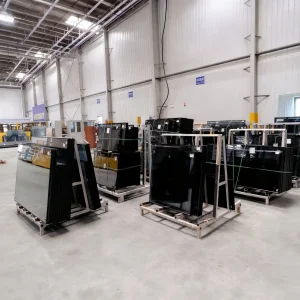
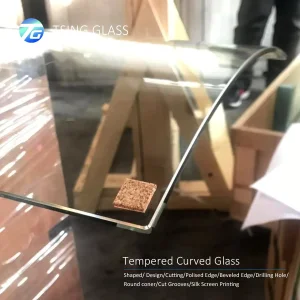
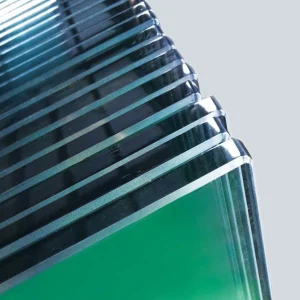
In high-precision manufacturing, glass edge customization is not merely an aesthetic consideration; it is a fundamental safety and performance variable. The C-shape edge profile (frequently referred to as the pencil edge or round edge) represents an optimal cross-section that mimics the shape of a semi-circle. By replacing raw, micro-fractured cut lines with a smooth, continuous curvature, the C-shape design evenly dissipates mechanical impacts and minimizes the localized thermal and physical stresses that lead to structural failure.
This specific geometry is engineered via high-precision CNC edge-grinding machinery utilizing specialized diamond grit wheels, followed by secondary refining passes with cerium oxide wheels. The process significantly mitigates edge chips and micro-fractures, which are the main points of initiation for cracks under thermal expansions or mechanical flexing.
Distributes external impact forces uniformly across the rounded boundary, reducing micro-fractures and increasing drop-impact survivability in industrial applications by up to 45%.
The elimination of razor-sharp perpendicular corners protects technicians during assembly, lowers shipping damage rates, and provides a polished finish for frameless installations.
Minimizes localized temperature gradients by maintaining a consistent structural density along the perimeter, preventing glass rupture under solar heat loading.
As industry requirements pivot toward automation, smart surfaces, and structural minimalism, the processing of C-shape glass edges is undergoing a technological evolution. Modern applications in smart home devices, automotive digital dashboards, and high-performance structural glazing demand tolerances measured in micrometers.
Human inspection is no longer sufficient to guarantee compliance for aerospace or medical screen glass. Our next-generation production lines utilize automated optical inspection (AOI) units. These systems analyze the edge profile under polarized light to detect micro-cleavages, deviations in radius curvature, and localized stress concentrators in real-time, instantly rejecting out-of-tolerance units.
For ultra-thin glass substrate profiles (typically 0.5mm to 2mm used in smart touch controls), traditional heat tempering creates distortion. The chemical glass tempering process replaces small sodium ions on the glass surface with larger potassium ions via molten potassium salt baths. A meticulously ground C-shape edge is critical during this process; any uneven edge profiling results in non-uniform ion penetration, causing localized warping or failure under bending force.
| Feature / Metric | Standard C-Shape (Pencil) Edge | Flat Polished (Arrissed) Edge | Beveled Edge |
|---|---|---|---|
| Mechanical Edge Strength | Excellent (Highest stress dissipation) | Moderate (Sharp corner concentrations) | Low (Highly vulnerable thin tips) |
| Edge Surface Finish (Ra) | < 0.15 µm (Highly Polished) | < 0.25 µm (Typical) | < 0.20 µm |
| Tolerance Performance | ± 0.1 mm | ± 0.2 mm | ± 0.25 mm |
| Primary Applications | Smart appliance panels, furniture, retail counters | Structural framing, architectural windows | Decorative mirrors, framed glass partitions |
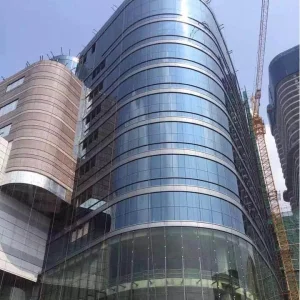
From heavy-duty architectural facades to complex commercial refrigeration layouts, custom C-shape edge glass plays an essential role across global industrial supply chains.
Freezer doors, glass shelving, and display refrigerators demand robust physical edge integrity. Standard square edges easily fracture under frequent loading. Custom C-shape rounded profiles eliminate micro-fractures, offering seamless, safe contact points that resist thermal shock in sub-zero environments.
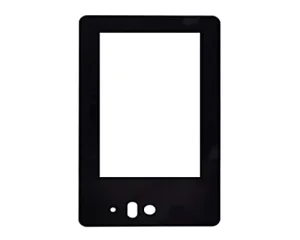
The touch-screen faceplates of modern smart mirrors, dynamic dimming switches, and control consoles require safe, smooth tactile feedback. Our C-shape glass panels interface seamlessly with modern plastic or metal enclosures, preventing high-frequency touch malfunctions and maintaining clear capacitive responses.
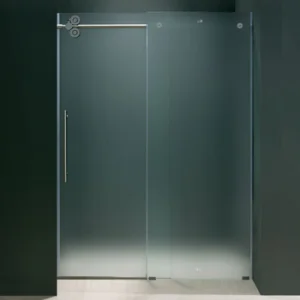
Frameless structural projects, such as pool fencing, balcony balustrades, shower enclosures, and partition walls, leave glass edges completely exposed to physical contact and structural movement. A precision C-shape profile prevents edge damage and ensures compliance with global building safety regulations.
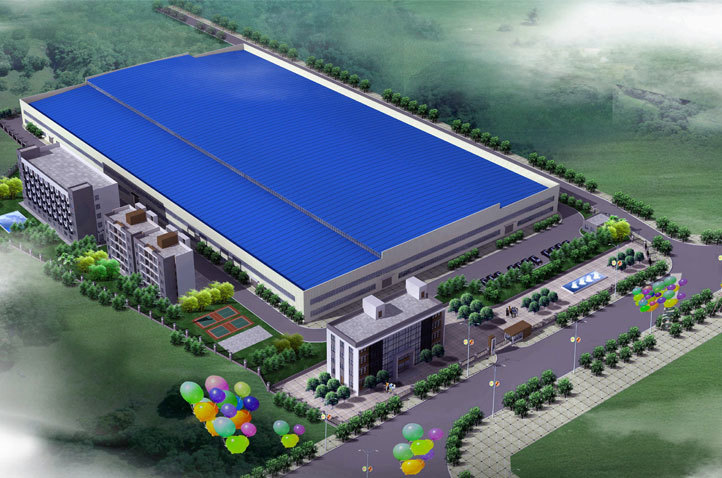
Founded in 2010, Hangzhou Greensina Glass Co., Ltd. has evolved from a specialized processing facility into a globally reliable supplier in the architectural and industrial glass sector. Located in the manufacturing hub of Hangzhou, China, our company houses modern automated glass cutting, edging, tempering, and laminating equipment.
Our facilities span over 7,000 square meters and are managed by 90+ skilled professionals, including technical engineers, quality control specialists, and logistics coordinators. By integrating CNC precision double-edging setups and automatic vertical drilling systems, we provide consistent processing for customized dimensions and tolerances.
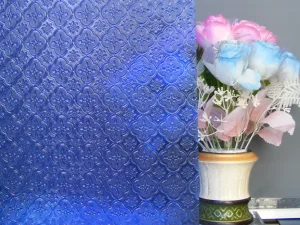
Operating under an optimized supply chain, we secure direct sourcing of premium raw float sheets (including low-iron, clear, tinted, and patterned variants). This close coordination keeps production costs low, shortens lead times, and mitigates material supply disruptions, offering a reliable supply chain for global procurement managers.

We follow strict testing protocols throughout each phase of production. From arrival inspections of float glass to final checks before dispatch, each batch is tested for edge smoothness, dimensional accuracy, structural stress, and surface clarity.
This rigorous testing cycle prevents optical distortions and mechanical weak points, ensuring all products comply with the highest structural standards.
Procuring custom structural materials internationally requires adherence to strict quality guidelines. At Hangzhou Greensina Glass, our export logistics and technical support channels are structured to align with regulatory requirements across Europe, North America, Oceania, and Asia.
Confirms compliance of all tempered safety glass components with EU construction, thermal resistance, and flat surface safety mandates.
Meets North American architectural regulations, ensuring drop-impact performance for commercial windows, doors, and partition walls.
Qualifies our flat, curved, and laminated structural glass products for implementation in Australian and New Zealand building structures.
To assist procurement and logistics teams, our shipping services include custom timber crating to absorb vibration, custom customs documentation, local harbor clearances, and door-to-door delivery coordination. Our engineering team assists with drawings, tolerance calculations, and chemical tempering analysis prior to production.
Review our secondary collection of custom decorative and technical glass configurations. These solutions feature optimized dimensions, micro-etched textures, and specialized insulation layers, manufactured to international engineering standards.

 Greensina Glass