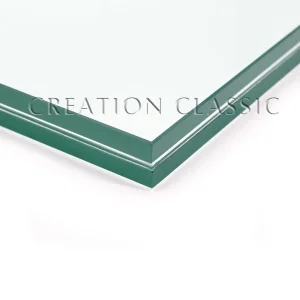
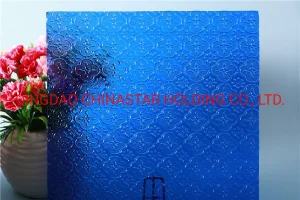
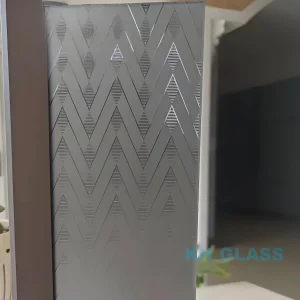
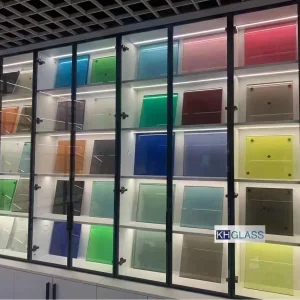
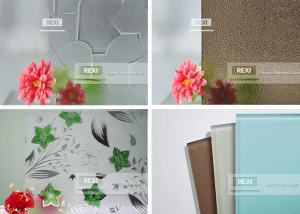
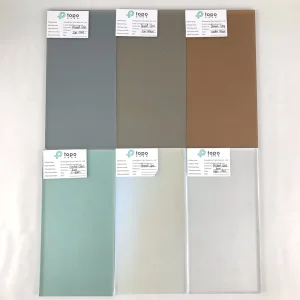
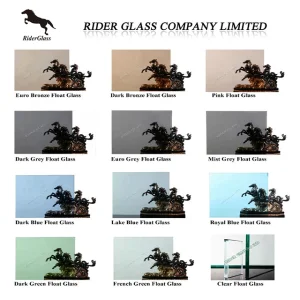
Explore our foundational safety, decorative, and performance-tinted glass specifications designed for standard and jumbo integrations.
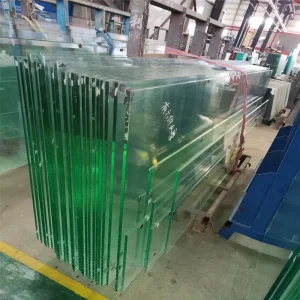
The global architectural ecosystem is undergoing a dramatic shift towards structural minimalism, where transparency, visual continuity, and massive monolithic facades define landmark skyscrapers, high-end retail flagships, and premium corporate offices. This design philosophy has catalyzed an exponential demand for Jumbo Size Glass—typically defined as glass sheets exceeding the standard dimensions of 3.21 meters by 6 meters, sometimes reaching up to lengths of 18 meters.
From a structural engineering standpoint, deploying larger glass panels drastically reduces the quantity of vertical and horizontal framing members. This minimizes visual obstruction, but significantly intensifies the structural performance responsibilities of the glass itself. Today, global supply chains depend heavily on specialized manufacturing hubs in Asia and Europe that possess the advanced capital equipment required to heat, laminate, and move these massive payloads without compromising flat planarity, optical purity, or structural stability.
The rapid expansion of the jumbo glass sector is propelled by a combination of retail branding strategies (typified by Apple’s iconic glass cube structures and oversized storefront facades) and the rising demand for premium commercial assets. The commercial value of architectural spaces is directly correlated with views and access to natural daylight, pushing real estate developers and facade engineers to specify glazing panels that stretch from floor to ceiling in a single, uninterrupted sheet. Consequently, manufacturers have had to scale up processing equipment, installing mammoth-sized cutting lines, tempering furnaces, and laminating autoclaves designed to process architectural glass elements weighing multiple metric tons.
Achieving structural durability in oversized formats requires significant technological integration. The primary development trends focus on structural redundancy, thermal efficiency, and smart glass performance. In jumbo size safety glass manufacturing, traditional PVB (Polyvinyl Butyral) interlayers are increasingly supplemented or replaced by advanced ionoplast polymers, such as SentryGlas® (SGP).
SGP Laminated Glass offers up to 5 times the tear strength and 100 times the rigidity of conventional PVB laminates. Under structural load, SGP glass displays significantly reduced deflection rates, meaning that under wind pressure or impact, the glass acts as a fully structural element. Even in the highly unlikely event of both glass sheets fracturing, the structural stiffness of the SGP interlayer ensures the pane remains upright and structurally sound within the rebate until replacement is executed.
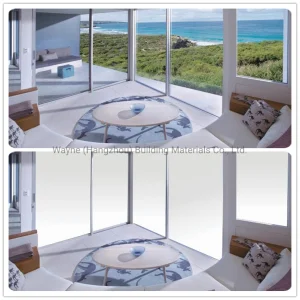
Beyond mechanical strength, integrating active glass technologies is key. Building envelopes are no longer static barriers; they are dynamic system interfaces. The inclusion of PDLC Switchable Smart Glass and electrochromic glass systems in jumbo formats allows large-scale facades to modulate light transmission, glare, and solar heat gain index (SHGI) dynamically or via automation. This reduces heating, ventilation, and air conditioning (HVAC) loads, converting massive glass windows into active components of a building’s thermodynamic management system.
The manufacturing process of jumbo architectural glass demands rigorous process parameters and specialized equipment. To achieve optimal flatness, minimal optical distortion, and mechanical performance, a specialized production sequence must be followed:
The process starts with selecting premium low-iron float glass blocks. Low-iron glass features high optical clarity (over 91% light transmittance) and minimizes the risk of spontaneous breakage by reducing nickel sulfide (NiS) inclusions. Cutting jumbo sheets requires advanced CNC glass cutting tables utilizing computerized path optimization to prevent edge micro-fractures, which can propagate under thermal stress.
Raw cut edges are highly susceptible to mechanical failure. Therefore, jumbo glass must undergo precise grinding, polishing, and arrising using multi-axis bilateral edge grinding machinery. For structural glass assemblies that rely on bolt fixing (such as spider fittings), CNC coordinate drilling and milling machines create countersunk or straight holes with micron-level precision to ensure even load distribution across the glass.
Tempering is the most critical stage. Normal convection furnaces struggle to maintain thermal uniformity across oversized glass surfaces, resulting in localized optical distortion (roller waves, edge lift, and anisotropy). Our modern processing utilizes a fully convective, high-capacity tempering furnace that uniformly heats the glass to approximately 620°C before rapid, controlled air quenching. This builds a surface compression stress layer of at least 90 MPa (meeting ASTM C1048 and EN 12150 standards), ensuring the glass is up to 5 times stronger than annealed glass and breaks into small, blunt fragments if fractured.
Lamination is carried out in a Class 100 dust-free environment with controlled temperature and humidity. The glass plates are stacked with PVB or SGP interlayers. The assembly then goes through a pre-pressing process to eliminate trapped air and seal the edges, followed by high-pressure thermal processing inside an autoclave. The autoclave cycle subjects the sandwich structure to temperatures around 140°C and pressures of 12-14 bar for several hours, creating a molecular bond between the glass surfaces and the interlayer.
Exporting jumbo size glass requires specialized handling, structural engineering of crates, and logistics planning to prevent damage during transport.
Because of the mass, weight distribution, and fragility of oversized panels, standard timber packing is insufficient. Specialized glass exporters use custom-built, heavy-duty structural steel A-frames or reinforced plywood crates engineered to handle dynamic loads during sea transit and port handling. The glass panels are separated by soft cork pads or polymeric spacers to prevent surface abrasions and glass-on-glass contact, which can cause micro-fissures.
To address moisture accumulation in sealed environments during long sea journeys, the entire package is wrapped in vapor-barrier foils containing active desiccants. This keeps the relative humidity inside the wrap below critical levels, preventing chemical weathering of the glass surfaces (commonly known as glass blooming or haze).
From a transport perspective, jumbo glass packages are loaded onto flat rack containers, open-top containers, or specialized in-loader trailers. This requires coordination with port operators, shipping lines, and inland transport authorities to manage overhead clearances, weight distributions, and crane lifting capacities at the final port of destination.
Established in 2010, Hangzhou Greensina Glass Co., Ltd. has grown from a local processing facility into a reputable manufacturer in the architectural and decorative glass industry. Operating from a modern 7,000 square meter facility in Hangzhou, China, our team of over 90 technicians, engineers, and quality assurance specialists delivers high-performance glass solutions for demanding design requirements.
Our manufacturing setup includes advanced cutting, edge-working, tempering, and laminating equipment, enabling us to supply products that comply with strict international standards for safety, thermal efficiency, and optical clarity. We serve both domestic and international markets, exporting our products to Europe, North America, Southeast Asia, and the Middle East. By focusing on innovation and maintaining rigorous quality controls, we establish long-term partnerships with facade contractors, design firms, and distributors worldwide.

Modern glass facades must meet stringent safety, acoustic, and thermal performance requirements. Achieving compliance requires a comprehensive understanding of structural dynamics and glass processing tolerances.
In high-seismic zones, facade systems must allow for inter-story drift without transferring bending forces directly to the glass substrate. Our custom laminated glass utilizes high-performance interlayers with specialized framing recesses to ensure the facade system accommodates structural movement, protecting the building envelope from failure.
Oversized glazing can lead to heat gain or loss if not properly insulated. To address this, we apply high-performance double or triple silver Low-E coatings to the glass surfaces. When combined with insulated glass units (IGUs) filled with argon gas, this configuration significantly lowers the U-factor and Solar Heat Gain Coefficient (SHGC), providing energy-efficient architectural solutions.
Urban developments require high sound insulation. By combining glass sheets of different thicknesses with acoustic PVB interlayers, our laminated glass configurations disrupt sound wave transmission, achieving high sound transmission class (STC) ratings to create quiet interior environments.
Expert engineering answers to common technical queries regarding jumbo size architectural glass procurement and design.
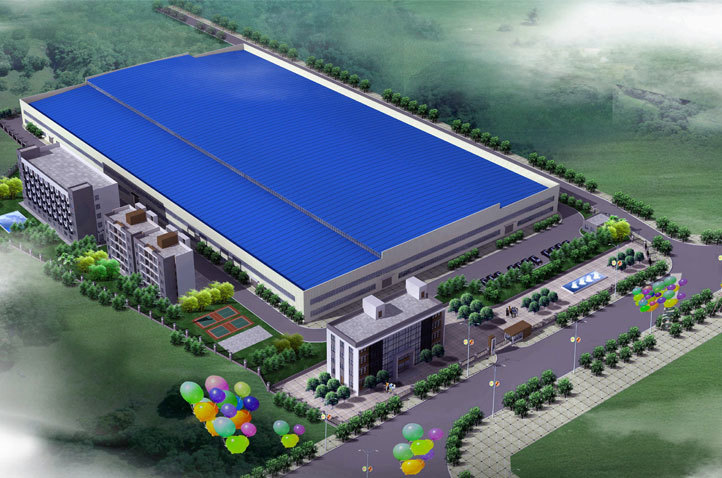
At Greensina Glass, we operate advanced processing systems to ensure high quality and consistency across our product range. Our facility is equipped with CNC cutting lines, double-sided edge grinders, and a convection tempering furnace capable of processing large-format safety glass.
Our QA/QC workflows monitor every stage of production—from raw glass selection to edge polishing, tempering, and final autoclave lamination. Each batch undergoes dimensional checks, roller wave measurement, and polarization testing to verify physical and optical properties before packaging.
Explore our structural laminated, smart switchable, and specialized architectural glass products engineered for high performance.
 Greensina Glass