Understanding Annealed Glass: The Core of Modern Glass Processing
In the global flat glass value chain, annealed glass represents the baseline substrate from which nearly all high-performance architectural, automotive, and industrial glass products originate. Manufactured via the traditional float process pioneered in the mid-20th century, annealed glass undergoes a slow, controlled cooling profile in a designated annealing lehr. This thermal stabilization process releases the internal microscopic stresses introduced during raw material fusion, rendering the glass highly machinable and stress-free.
Unlike safety glasses (such as fully tempered or laminated types), raw annealed glass breaks into large, sharp shards when subjected to mechanical impact. However, its outstanding flatness, optical clarity, and ease of cutting, beveling, grinding, and laminating make it an essential foundational material. Engineers, developers, and global procurement departments rely on high-quality annealed glass substrates to produce advanced low-emissivity (Low-E) insulated glass units (IGUs), structural panels, smart glass elements, and customized decorative partitions.
Information Gain Insight: The mechanical structural integrity of downstream tempered or laminated glass is directly correlated with the thermal homogeneity of the original annealed float sheet. Residual stress gradients exceeding 2.5 MPa in raw annealed glass will dramatically increase spontaneous breakage rates during subsequent tempering operations.
600°C
Annealing Start Temp
2.5 MPa
Max Allowed Stress
<0.1%
Spontaneous Fail Goal
100%
Recyclability
The Mechanics of the Float Glass Lehr Annealing Curve
The physical properties of float-processed annealed glass are dictated by the precise cooling mechanics within the annealing lehr. As the continuous ribbon of molten glass departs the tin bath at approximately 600°C, it enters the critical temperature range (550°C to 480°C) known as the "annealing range." Inside this zone, the glass is cooled slowly to allow the molecular network of silica, soda, and lime to align uniformly without generating internal mechanical tension. Once the lower transition limit is passed, cooling accelerates to bring the glass to room temperature for automated defect inspection, optimized cutting, and bulk packaging.
Phase 1
Controlled Cooling
Slow gradient drop from 600°C to 480°C inside the lehr prevents internal thermal shear stress.
Phase 2
Rapid Cool-Down
Controlled air-blasts reduce the glass ribbon temperature safely down to handling levels (~50°C).
Phase 3
Laser Scanners
Inline optical scanners detect seeds, stones, and optical distortions before cutting and packaging.
Top 10 Annealed Glass Manufacturers & Factories Globally
Evaluating the capabilities of primary float line operators and secondary processors is key to selecting the right supplier. Below is the authoritative profile of the top 10 global manufacturers and factories specializing in annealed float substrates and processed architectural solutions:
Global Leader
AGC (Asahi Glass Company)
Headquartered in Tokyo, Japan, AGC operates extensive float lines globally. They produce ultra-flat annealed substrates with superior surface quality, serving as standard raw materials for automotive and high-tech display markets.
Innovation Champion
Saint-Gobain Glass
A pioneer in European glass manufacturing, Saint-Gobain delivers high-performance float lines characterized by extremely low iron content (Diamant series), optimizing light transmission for architectural facades.
Industrial Giant
Guardian Industries
Based in the USA, Guardian is renowned for its ClimaGuard and SunGuard coatings applied on high-grade annealed float substrates. They provide excellent thermal insulation solutions worldwide.
Precision Optics
Pilkington (NSG Group)
The inventor of the float process, Pilkington remains a benchmark for optical flatness. Their factories produce specialized self-cleaning and solar control glass using premium annealed raw plates.
China Tier 1
Xinyi Glass Holdings
Representing a massive share of Asian supply chains, Xinyi operates integrated float lines with deep harbor access, offering competitive pricing, massive volume scales, and high logistics efficiency.
Premium Float
Kibing Group
A fast-growing Chinese giant with advanced production lines dedicated to clear, ultra-clear, and tinted annealed glass. They serve as a primary supplier for key processing facilities across Southeast Asia.
Specialist Tech
Taiwan Glass Group
With over five decades of operation, Taiwan Glass provides high-quality industrial-grade annealed glass, acid-etched partitions, and low-emissivity glass sheets for heavy construction.
European Hub
Sisecam Flat Glass
Operating across Turkey, Eastern Europe, and Russia, Sisecam is the largest glass producer in Europe by float capacity, serving as a reliable supplier for European architectural glass markets.
Automotive Grade
Fuyao Glass Group
Primarily focused on automotive glass, Fuyao operates state-of-the-art float lines to feed its safety-glass factories, ensuring minimal optical distortion and high durability.
Boutique & Architectural
Hangzhou Greensina Glass Co., Ltd.
A premium China-based processor specializing in customizable high-grade tempered, laminated, insulated, and decorative safety solutions built from select premium-grade annealed float substrates.
Spotlight: Hangzhou Greensina Glass Co., Ltd.
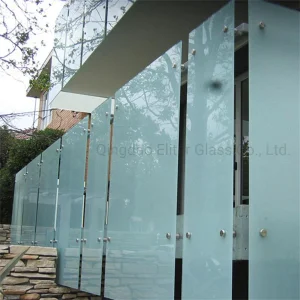
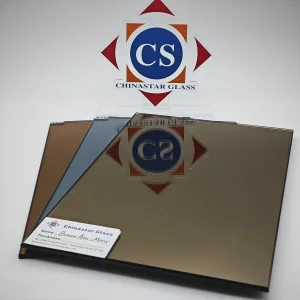
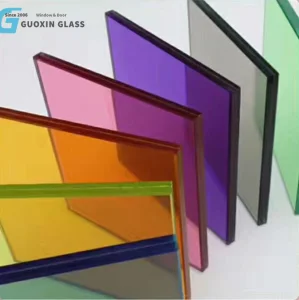
As highlighted in industry procurement indexes, Hangzhou Greensina Glass Co., Ltd. is a professional manufacturer specializing in architectural and decorative glass solutions. Located in Hangzhou, China, the company focuses on providing high-quality glass products widely used in residential buildings, commercial spaces, offices, and interior design projects. Our main product range includes tempered glass, laminated glass, insulated glass, frosted glass, and tinted glass, all designed to meet modern requirements for safety, energy efficiency, and aesthetic appeal.
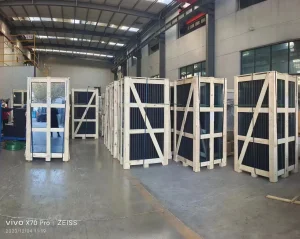
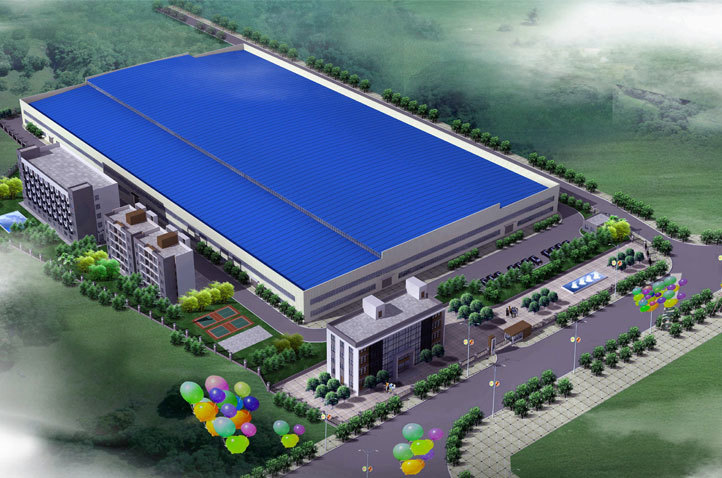
Founded in 2010, Greensina Glass has grown steadily from a small processing workshop into a reliable supplier in the architectural glass industry. The company now employs more than 90 experienced staff members, including skilled technicians, engineers, and quality control specialists. Our production facility covers an area of approximately 7,000 square meters and is equipped with advanced glass processing equipment to ensure precise manufacturing and consistent product quality.
Over the years, Hangzhou Greensina Glass Co., Ltd. has expanded its market to serve customers both domestically and internationally. Our products are exported to Europe, North America, Southeast Asia, and the Middle East. By focusing on innovation, strict quality management, and customer-oriented service, the company is committed to delivering dependable glass solutions and establishing long-term partnerships with clients worldwide.
China's Float Glass Supply Chain Advantages
China's dominance in the global annealed and processed glass industry is backed by comprehensive manufacturing clusters, optimized logistics, and raw material integration. Factories based in industrial hubs, such as Zhejiang, Guangdong, and Hebei, benefit from localized ecosystems that significantly lower processing overheads.
Raw Material Proximity: Direct access to premium silica sand deposits, high-grade soda ash, and domestic natural gas pipelines ensures consistent float line operation.
Industrial Cluster Efficiencies: Secondary processing steps (such as tempering, edge-working, acid-etching, and laminating) are often located near float manufacturing facilities, eliminating intermediate transportation costs.
Advanced Automation: Modern Chinese glass factories feature automated optical inspection systems, high-speed CNC cutting tables, and robotic loading structures that ensure uniform product tolerances.
Logistical Connectivity: Close proximity to major international deepwater ports (Ningbo, Shanghai, Shenzhen) enables rapid container shipping and reduced transit times.
Compliance, Quality Standards & E-E-A-T Sourcing
When sourcing glass components for commercial facades or interior fit-outs, adherence to regulatory safety and quality standards is critical. Global procurement managers must verify that manufacturers hold accredited certifications corresponding to their target markets.
Region
Certification Standard
Key Compliance Focus
North America
SGCC / ANSI Z97.1
Impact resistance, fragmentation metrics for safety glass
Safety glazing materials in buildings, fracture test verification
Global System
ISO 9001:2015
Quality management, end-to-end process documentation
Global Procurement Strategies for Annealed & Processed Glass
To mitigate risks like cargo breakage and dimensional deviations, procurement agents should implement structured validation frameworks when sourcing from international suppliers:
Request Raw Material Origin Certification: Ensure the processor uses float substrates from recognized Tier-1 manufacturers (e.g., AGC, Kibing) to prevent issues with micro-inclusions (such as nickel sulfide) that can cause spontaneous breakage in tempered products.
Verify Edge-Work Tolerances: Raw cut annealed glass should feature chamfered or polished edges to minimize stress concentration points during shipping and installation.
The versatility of annealed glass enables customized configurations tailored to local environmental conditions and regional code requirements:
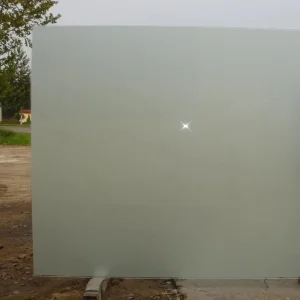
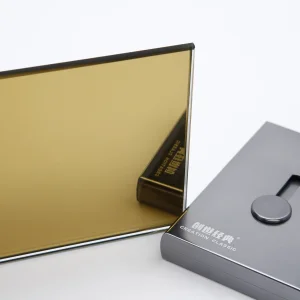
High-Humidity Coastal Zones: Requires acid-etched satin glass or moisture-resistant mirrors with epoxy back-coatings to prevent corrosion.
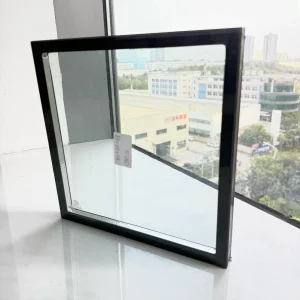
Extreme Climates (Cold/Hot): Processed annealed glass is assembled into double or triple-glazed IGUs with gas fills (Argon/Krypton) and Low-E coatings to optimize heating and cooling performance.
Interior Corporate Fit-Outs: High-iron annealed glass can be substituted with low-iron (ultra-clear) substrates to ensure true color rendering in corporate office partitions.
Key Industry Trends: The Future of Glass Manufacturing
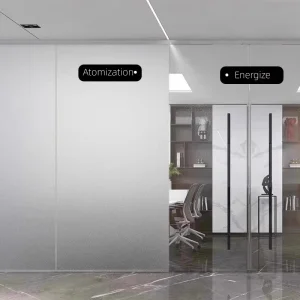
The float glass sector is undergoing a transformation driven by carbon reduction targets and smart building technology. Industry focus is shifting from simple float sheets to smart glass products, vacuum insulated glass (VIG) systems, and thin, durable glass substrates. Integrating electrochromic smart glass films into processed panels allows dynamic control over solar heat gain coefficient (SHGC), directly reducing HVAC energy consumption in commercial buildings.
Frequently Asked Questions (FAQ)
What is the difference between annealed glass and tempered glass?
Annealed glass is cooled slowly within an annealing lehr, leaving it free of internal stress, making it easy to cut and process. Tempered glass is heated to approximately 620°C and rapidly quenched, introducing high compressive stress on the surface. This makes tempered glass up to four to five times stronger, and it breaks into small, relatively harmless fragments instead of sharp shards.
Can you cut annealed glass after it has been tempered?
No. Any attempt to cut, drill, or heavily polish tempered glass will disrupt the balanced internal stresses, causing the entire sheet to shatter instantly. All cutting, drilling, and shaping must be performed on the annealed glass sheet prior to tempering.
Why is low-iron annealed glass preferred over standard clear float glass?
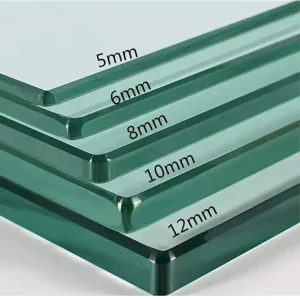
Standard clear float glass contains natural iron oxide impurities, which give it a faint greenish tint, particularly visible along the edges. Low-iron annealed glass reduces these impurities, resulting in superior clarity, higher light transmission, and truer color rendering for interior spaces and display applications.
What certifications should I look for when sourcing glass globally?
Ensure your manufacturer complies with SGCC (ANSI Z97.1) for North America, CE (EN 12150 / EN 14449) for the European Union, AS/NZS 2208 for Oceania, and operates under an ISO 9001:2015 quality management system.

 Greensina Glass