Engineered to rigorous global tolerance standards, our custom-cut, processed, and treated architectural solutions provide extreme thermal resilience and structural stability.
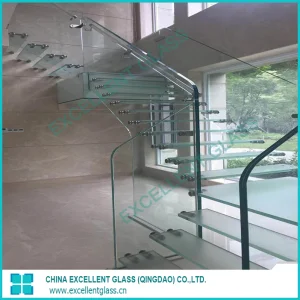
The contemporary architectural and industrial glass markets are transitioning from standard float glass usage to specialized, high-performance structural configurations. Demand is surging for custom edge profiles, thermal enhancements, and smart integration capabilities.
Modern facades demand structural glass with tolerances of ±0.5mm. CNC multi-axis processing centers now integrate laser-guided cutting to achieve microscopic precision on complex geometric profiles, minimizing edge stress concentration and post-installation breakage.
International building codes (such as ASHRAE 90.1 and Title 24) mandate aggressive U-value metrics. This driving demand has pushed double and triple-glazed Insulated Glass Units (IGUs) with Low-E (Low-Emissivity) coatings and Argon gas fills to the forefront of procurement lists.
Glass is no longer a passive material. Sourcing is shifting toward functionalized substrates that feature anti-reflective (AR), anti-glare (AG), and conductive coatings (ITO) to serve the expanding smart home, touch panel, and automotive console markets.
Global procurement of customized glass sheets presents complex logistical, technical, and regulatory challenges. Project managers and sourcing directors frequently run into issues with micro-fissuring, edge damage, and deviations in color matching when procuring overseas.
Optical Distortion & Roller Wave Limits: During the thermal tempering process, glass travels over ceramic rollers, which can induce minor deviations (roller wave). Top-tier factories utilize online optical scanners to limit roller wave distortion to below 0.15mm / 300mm, preventing optical distortion in architectural windows.
Delamination Prevention in Laminated Systems: Sourcing laminated panels requires stringent humidity and temperature control during lay-up. Poor autoclave regulation can result in edge delamination within 2 years. Partnering with certified facilities utilizing premium PVB or SGP interlayers is critical to long-term performance.
Integrating modern technology with precision fabrication to manufacture high-yield glass solutions for commercial and residential architectural projects worldwide.
Founded in 2010, Hangzhou Greensina Glass Co., Ltd. has evolved from a local processing workshop into an internationally recognized architectural and decorative glass supplier. Strategically based in Hangzhou, China, our advanced facility spans approximately 7,000 square meters and houses a workforce of over 90 skilled technicians, engineers, and QA personnel.
Our processing facility is equipped with automated CNC cutting tables, high-speed double-edging lines, and precise convection tempering furnaces. These capabilities allow us to supply complex, custom architectural glass panels that meet structural requirements across global markets, including North America, Europe, the Middle East, and Southeast Asia.

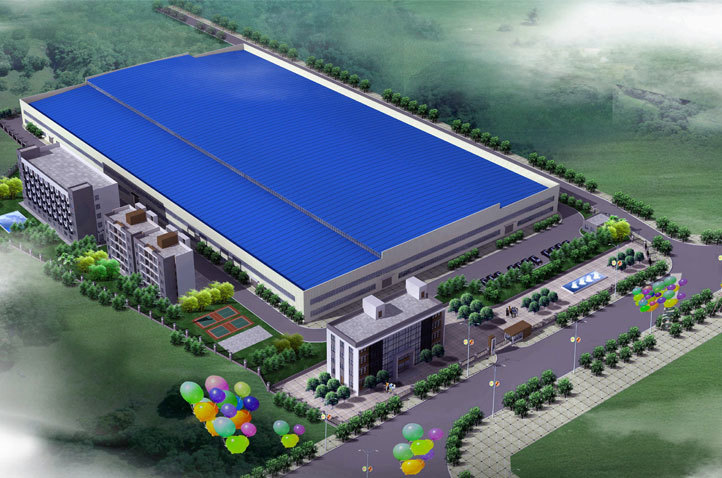
Our technical capabilities cover the entire spectrum of custom glass fabrication:
From structural glass facades to smart appliance screens, custom-processed glass plays a key role in modern engineering.
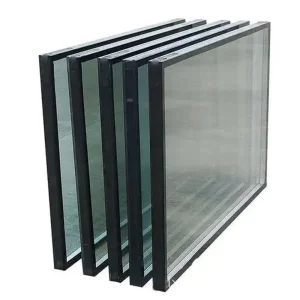
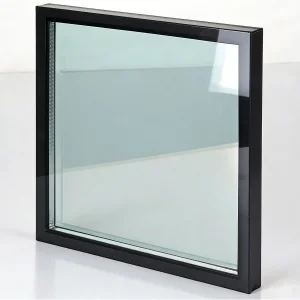
Our heavy-duty insulated glass panels are engineered to support major wind loads and structural stresses in high-rise constructions. Combining high-performance Low-E coatings with laminated safety layers, these units reduce heat gain, control light transmittance, and optimize the overall thermal envelope of commercial buildings.
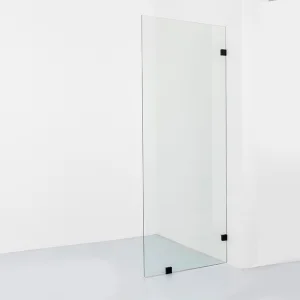
Utilizing high-transparency ultra-clear (low-iron) float glass, our shower door panels and room dividers maximize light penetration. Advanced CNC edgework provides clean flat-polished edges that assemble securely with frameless hardware, eliminating alignment issues during site installation.
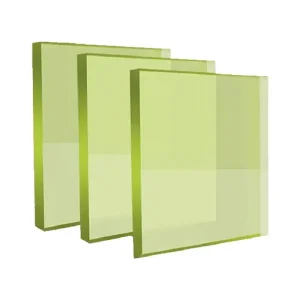
Specially manufactured thick-tempered and multi-laminated glass panels are engineered to withstand continuous hydrostatic pressure in high-capacity aquariums and zoo enclosures. Advanced autoclave processes ensure clear vision and prevent interlayer haze or clouding over long-term submersive display conditions.
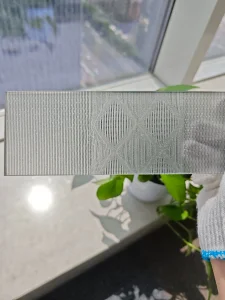
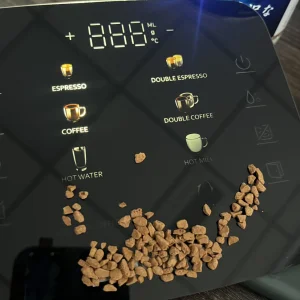
Precision-tempered, thin-gauge glass featuring chemical strengthening options for touch panels, smart home interfaces, and control consoles. Our silk-screen printing processes ensure crisp, heat-resistant ceramic ink graphics that stand up to daily chemical cleaning and intensive interface use.
Navigating global supply chain logistics requires robust quality assurance, certified products, and heavy-duty maritime packaging.
Because glass is fragile and susceptible to surface condensation (which can lead to glass corrosion or "haze"), we use a multi-tiered export packaging protocol:
1. Heavy-Duty Wood Cases: Made from high-density, IPPC-heat-treated plywood, structured to prevent flexing during forklift handling.
2. Interleaving Powder: High-grade dry mildew-proof powder is applied between each panel to prevent friction scratching and moisture build-up.
3. Steel-Banding & Bracing: Crates are secured using tensioned steel bands and internal timber braces to prevent shifting inside ocean containers.
We ensure full compliance with international standards, helping you navigate complex local building inspections and liability claims:
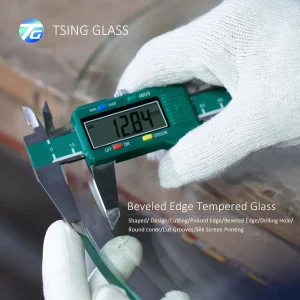
Choosing the correct edge finish is critical for structural load distribution. We offer several profiles depending on your final application:
As glass technologies advance, our engineering team monitors and integrates new processing methodologies into our production workflow.
Traditional mechanical wheel cutting can create micro-fractures along edges. We are integrating high-power CO2 laser-scribing systems to achieve clean cuts with minimal edge stress, significantly increasing mechanical strength under extreme temperatures.
The future of thermal insulation lies in VIG systems. By replacing the gas cavity with a high-vacuum chamber, we can achieve U-values under 0.60 W/(m²K) in a profile no thicker than a single pane, helping designers meet passive house standards.
For high-rise exteriors and shower enclosures, our factory applies ultra-durable hydrophobic coatings. These coatings reduce water spots and grime buildup, helping lower maintenance costs and keep glass clean longer.
Detailed technical answers to key questions asked by architectural planners, developers, and global supply managers.
Thermal tempering involves heating glass to around 620°C followed by rapid cooling with high-pressure air currents. This creates high surface compression (90-150 MPa) and causes the glass to break into small, blunt fragments when broken. Chemical strengthening, on the other hand, exchanges sodium ions on the glass surface for larger potassium ions in a hot salt bath. This process works well for thin glass (under 3mm) and does not distort optics, but the glass breaks into larger shards rather than small safety fragments.
Spontaneous breakage is often caused by micro-inclusions of Nickel Sulfide (NiS) within raw float glass. Heat soak testing (HST) to EN 14179 standards is used to mitigate this risk. During the test, tempered glass is placed in a chamber at 290°C for several hours, which causes panels containing NiS inclusions to break before leaving the factory. We use high-quality raw materials with low NiS levels, and we offer optional heat-soak testing for high-stress installations.
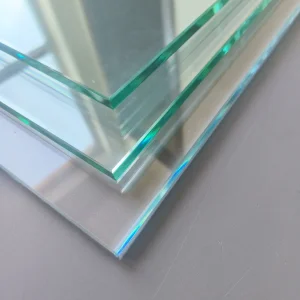
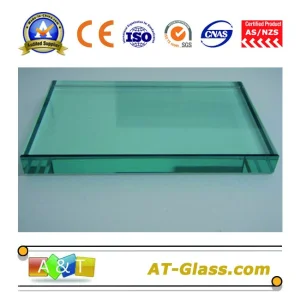
Standard float glass contains iron oxides that produce a noticeable greenish tint, which becomes more pronounced as thickness increases. Low-iron glass (such as Starphire or Optiwhite) reduces iron content by up to 90%, increasing light transmission and eliminating the green tint. This makes it ideal for display cases, high-end shower doors, and colored laminated panels where color accuracy is critical.
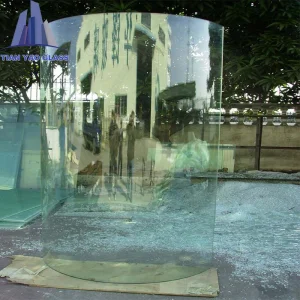
We process curved tempered glass in thicknesses from 3mm to 19mm. The minimum radius depends on the glass thickness and the orientation of the bend. We can handle maximum sizes up to 2440mm * 3660mm. Our technical department reviews all CAD drawings to confirm radii, arc lengths, and straight tangents, ensuring optimal fitment and structural integrity.
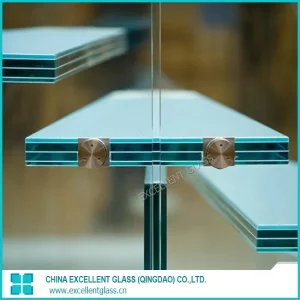
PVB (Polyvinyl Butyral) is highly flexible and works well for standard impact safety, acoustic insulation, and UV protection. SGP (SentryGlas Plus by Kuraray) is an ionoplast interlayer that is 100 times stiffer and 5 times stronger than PVB. SGP offers high structural strength and remains stable even if the glass breaks, making it the preferred choice for structural balustrades, glass floors, and hurricane-resistant windows.
Further custom processed materials and multi-pane systems configured for structural durability, thermal insulation, and architectural design needs.
 Greensina Glass