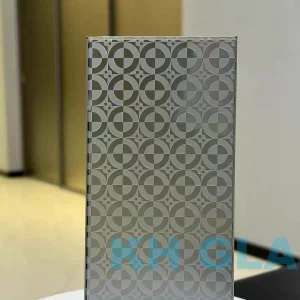
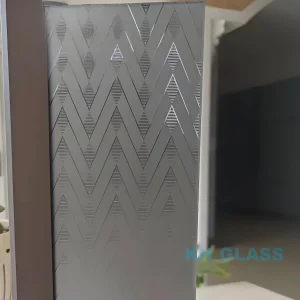
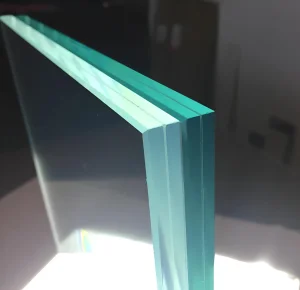
The global electronic glass market is witnessing an unprecedented surge, evolving from traditional window applications into high-tech interactive interfaces. Electronic glass, encompassing technologies like PDLC (Polymer Dispersed Liquid Crystal), Electrochromic, and advanced Low-E coatings, is currently the backbone of modern smart cities. In 2024, the commercial building sector accounts for over 40% of the demand, as architects prioritize energy efficiency and adaptive privacy.
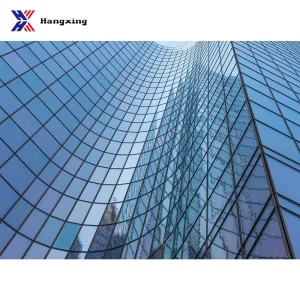
From the skyscrapers of New York to the luxury hotels of Dubai, electronic glass is no longer a luxury but a functional necessity. The integration of transparent displays and touch-sensitive surfaces into architectural glass has opened new avenues for the "Internet of Things" (IoT), allowing buildings to communicate with their occupants while drastically reducing HVAC costs through intelligent light control.
Sustainability & Net-Zero: Smart glass reduces solar heat gain, contributing to LEED and BREEAM certifications.
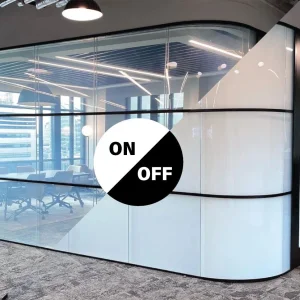
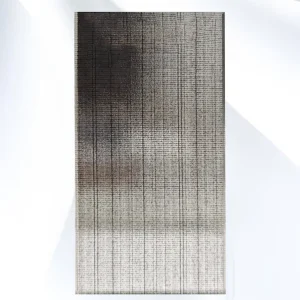
Privacy on Demand: PDLC film glass allows instant switching from transparent to opaque for meeting rooms and bathrooms.
Integration with AI: Modern glass systems now sync with AI-driven building management systems to adjust tint based on weather forecasts.
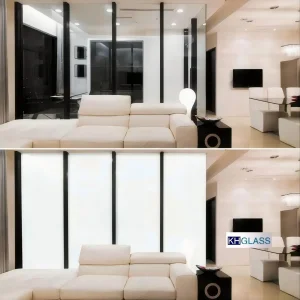
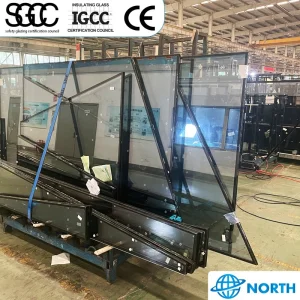
Global buyers—ranging from large-scale construction firms to high-end interior designers—are increasingly seeking direct-from-factory sourcing to ensure both technical precision and cost-competitiveness. Procurement needs have shifted towards "Customized Total Solutions" rather than just raw materials. Buyers in North America and Europe demand strict adherence to safety standards such as SGCC and CE, while Middle Eastern markets focus on high-performance thermal insulation.
Dynamic glass partitions that provide privacy during meetings and openness during collaborative hours, maximizing natural light while maintaining professional boundaries.
Easy-to-clean, switchable glass for observation rooms and ICUs, eliminating the need for dust-collecting curtains and improving hygiene standards.
Interactive display windows that use electronic glass as a projection screen after hours, turning storefronts into 24/7 advertising hubs.
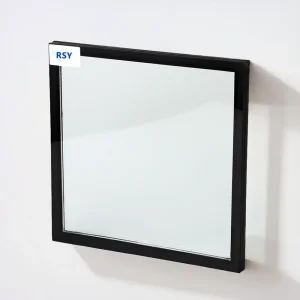
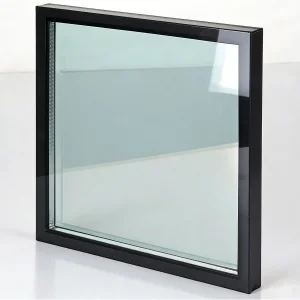
Our Low-E insulated glass units (IGU) are engineered to meet the harshest climate conditions, offering a perfect balance between visibility and thermal protection. For developers, this translates to significant long-term energy savings and a smaller carbon footprint.
Hangzhou Greensina Glass Co., Ltd. is a professional manufacturer specializing in architectural and decorative glass solutions. Located in Hangzhou, China, the company focuses on providing high-quality glass products widely used in residential buildings, commercial spaces, offices, and interior design projects. Our main product range includes tempered glass, laminated glass, insulated glass, frosted glass, and tinted glass, all designed to meet modern requirements for safety, energy efficiency, and aesthetic appeal.
Founded in 2010, Greensina Glass has grown steadily from a small processing workshop into a reliable supplier in the architectural glass industry. The company now employs more than 90 experienced staff members, including skilled technicians, engineers, and quality control specialists. Our production facility covers an area of approximately 7,000 square meters and is equipped with advanced glass processing equipment to ensure precise manufacturing and consistent product quality.
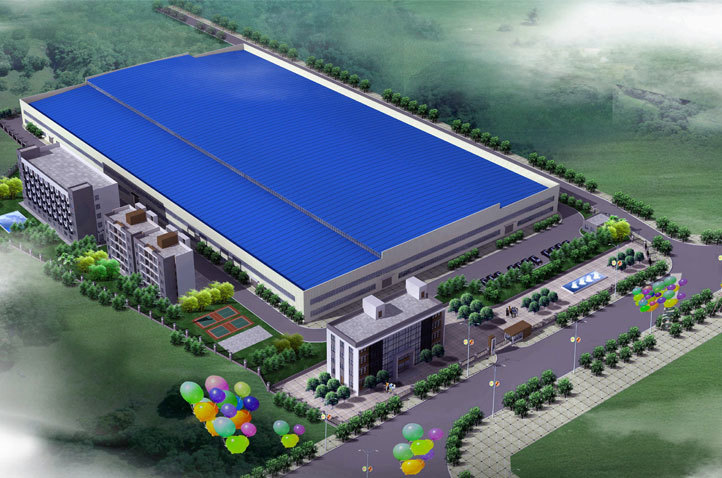
Over the years, Hangzhou Greensina Glass Co., Ltd. has expanded its market to serve customers both domestically and internationally. Our products are exported to Europe, North America, Southeast Asia, and the Middle East. By focusing on innovation, strict quality management, and customer-oriented service, the company is committed to delivering dependable glass solutions and establishing long-term partnerships with clients worldwide.
China has established itself as the global epicenter for electronic glass production due to its integrated supply chain and massive investment in R&D. As a leading Electronic Glass Exporter, we provide several key advantages that local regional suppliers often cannot match:
1. Cost-Efficiency & Scale: Our large-scale manufacturing facility in Hangzhou allows us to optimize production costs, passing those savings directly to our clients without compromising on raw material quality.
2. Rapid Prototyping: The Chinese industrial ecosystem allows for much faster turnaround times from design to prototype, essential for bespoke architectural projects.
3. Advanced QC Technology: We utilize AI-integrated scanning systems to detect microscopic imperfections in tempered and laminated glass, ensuring every panel meets international safety standards.
Furthermore, our location near major ports facilitates efficient global logistics, ensuring that your architectural glass arrives on-site, on-time, and in perfect condition. Whether it's a small-scale luxury renovation or a multi-thousand square meter curtain wall project, our team is equipped to handle the complexity with precision.
 Greensina Glass