Engineered architectural glass products processed from high-quality float glass substrates, designed to meet global construction standards.
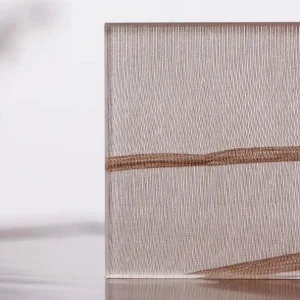
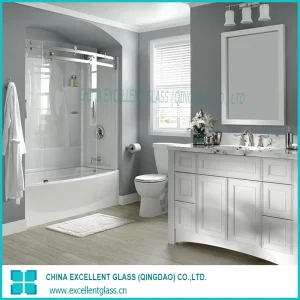
Since Alastair Pilkington revolutionized glass fabrication in the 1950s by introducing the float glass process—floating molten glass on a bath of liquid tin to achieve perfectly flat and parallel surfaces—the global glass industry has scaled tremendously. Today, float glass serves as the foundation for modern architectural facades, automotive glazing, and display technologies. The production landscape is evolving rapidly to address structural transformations in environmental regulations, material sciences, and digital capabilities.
Fossil fuel-fired furnaces are transitioning toward hybrid electrification and hydrogen combustion. Manufacturers are under high pressure to reduce Scope 1 and Scope 2 carbon emissions to meet global zero-carbon initiatives, driving the adoption of carbon capture storage (CCS) systems in high-capacity furnaces.
Modern building energy codes demand advanced insulated glass with double and triple silver Low-Emissivity (Low-E) coatings. Sputtered offline coatings optimize the Solar Heat Gain Coefficient (SHGC) and lower thermal transmittance (U-value) down to passive house standards.
Electrochromic glass, PDLC switchable film, and building-integrated photovoltaics (BIPV) are shifting from niche concepts to mainstream architectural applications. Float glass acts as the core substrate, requiring strict quality control, absolute flatness, and minimal surface defects.
An analysis of key international and Chinese float glass manufacturers based on capacity, processing capabilities, and technological innovation.
Headquartered in Tokyo, AGC operates a vast global network. Known for high-end coatings and specialty float glass, AGC is a primary developer of next-generation chemical tempering and thin-glass technologies for displays and automotive glazing.
Saint-Gobain Glass is at the forefront of low-carbon glass manufacturing in Europe. Their SGG COOL-LITE range is popular for landmark commercial projects demanding exceptional light transmission and heat control.
A subsidiary of Koch Industries, Guardian is highly regarded for its advanced SunGuard vacuum-deposited sputter coatings. They supply clean float glass and high-durability Low-E coatings to commercial envelope projects globally.
Owner of the historic Pilkington brand, NSG Group is a leader in online pyrolytic coating technology. Their pyrolytic coatings are ideal for environments requiring high mechanical and chemical durability.
Established in 2010, Greensina Glass has grown from a specialized workshop into a global supplier. Processing advanced glass from premium raw float lines, they specialize in custom tempered, laminated, insulated, and smart glass with full certification matching (CE, ISO, SGCC, AS/NZS).
Focusing primarily on automotive safety glass, Fuyao operates internal float lines to ensure reliable material chemistry. They supply a large percentage of global vehicle glass to top-tier automotive companies.
One of the largest float glass manufacturers by daily melting capacity. Xinyi operates multiple industrial parks in China and Malaysia, exporting high-volume clear, tinted, and ultra-clear float glass worldwide.
A primary supplier of insulating glass to top residential window manufacturers in North America. Cardinal develops proprietary coating equipment to deliver high-clarity, triple-pane glass options.
Operating production lines across Europe, the Middle East, and North Africa, Sisecam is one of the most geographically diversified float glass manufacturers, offering an extensive flat glass product portfolio.
Having acquired the flat glass assets of PPG Industries, Vitro is North America's largest glass manufacturer. They are recognized for producing Starphire Ultra-Clear®, a premier low-iron glass substrate.
Procuring architectural and industrial float glass requires balancing cost efficiency, logistics, and technical specifications. Global buyers seek to mitigate delivery risks, ensure compliance with local building codes, and optimize material performance. Understanding key procurement challenges is essential for building a resilient supply chain.
Architects and builders require glass products to carry specific national certifications. Sourced glass must comply with standards like CE (EN12150/EN14449) for Europe, SGCC/ANSI Z97.1 for North America, and AS/NZS 2208 for Oceania. Sourcing uncertified glass can lead to costly project delays.
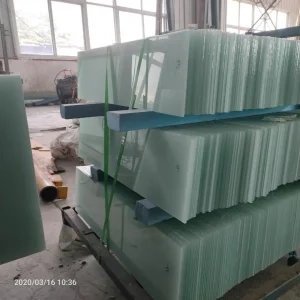
Glass is fragile, making secure logistics critical. Key requirements include custom end-caps, heavy-duty seaworthy wooden crates with desiccants, and optimized container configurations (OT/GP). Sourcing partners must guarantee low breakage rates and offer marine insurance coverage.
Many projects require glass processed beyond standard sizes. Buyers seek suppliers capable of handling custom shapes, CNC polished edge work, waterjet cutouts, heat-soak testing, and complex laminating (PVB/SGP) to match precise architectural drawings.
Use this technical guide to select the appropriate glass configuration based on performance and safety requirements.
| Glass Category | Thickness Options | Typical Applications | Key Performance Indicators | Primary Benefit |
|---|---|---|---|---|
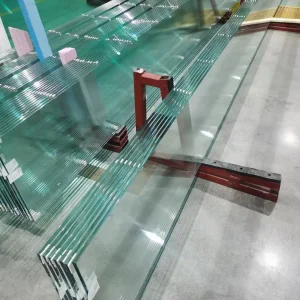
| Tempered Safety Glass | 3mm - 19mm | Windows, Balustrades, Shower Doors | Impact resistance, 5x stronger than annealed | High Safety Breaks into small, blunt fragments |
| PVB/SGP Laminated Glass | 6.38mm - 41.8mm+ | Canopies, Skylights, Security Windows | Sound dampening, high structural integrity | Anti-Intrusion Shards adhere to interlayer on impact |
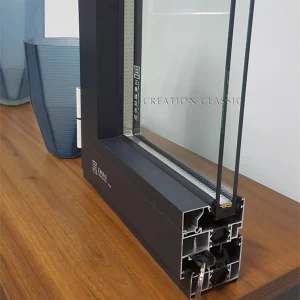
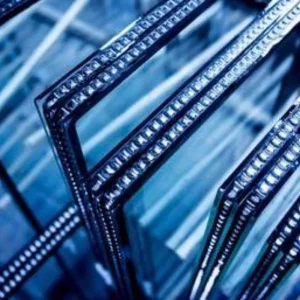
| Insulated Glass Units (IGU) | 5A+9A/12A+5A (Custom) | Curtain Walls, Office Elevations | U-value reduction, low solar heat gain | Energy Saving Significant heating/cooling cost reduction |
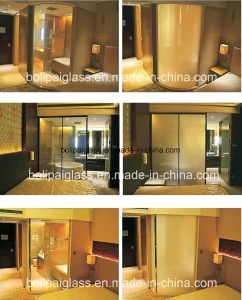
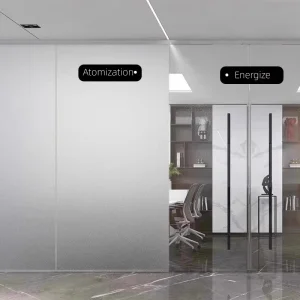
| Switchable Smart Glass | 4+4mm to 8+8mm | Office partitions, Boardrooms | PDLC technology, transitions in under 1 second | Instant Privacy Shift from frosted to transparent via control |
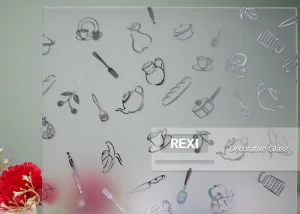
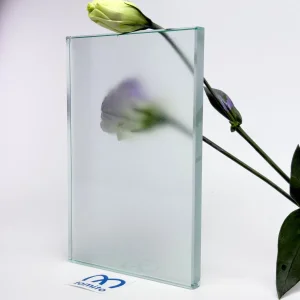
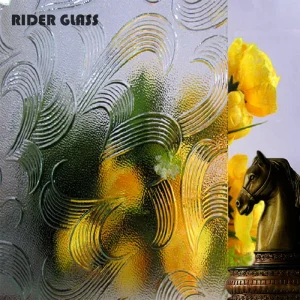
| Acid Etched Frosted Glass | 2mm - 12mm | Interior partitions, Shower rooms | Translucent diffusion, resistant to fingerprints | Aesthetic Privacy Even light transmission without visibility |
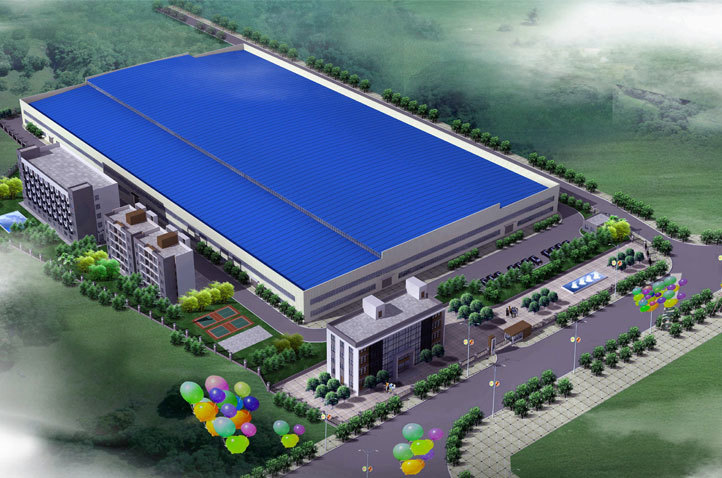
Hangzhou Greensina Glass Co., Ltd. is a professional manufacturer specializing in architectural and decorative glass solutions. Located in Hangzhou, China, the company focuses on providing high-quality glass products widely used in residential buildings, commercial spaces, offices, and interior design projects. Our main product range includes tempered glass, laminated glass, insulated glass, frosted glass, and tinted glass, all designed to meet modern requirements for safety, energy efficiency, and aesthetic appeal.
Founded in 2010, Greensina Glass has grown steadily from a small processing workshop into a reliable supplier in the architectural glass industry. The company now employs more than 90 experienced staff members, including skilled technicians, engineers, and quality control specialists. Our production facility covers an area of approximately 7,000 square meters and is equipped with advanced glass processing equipment to ensure precise manufacturing and consistent product quality.
Over the years, Hangzhou Greensina Glass Co., Ltd. has expanded its market to serve customers both domestically and internationally. Our products are exported to Europe, North America, Southeast Asia, and the Middle East. By focusing on innovation, strict quality management, and customer-oriented service, the company is committed to delivering dependable glass solutions and establishing long-term partnerships with clients worldwide.

Answering key procurement, technical, and compliance questions for project managers and glass buyers.
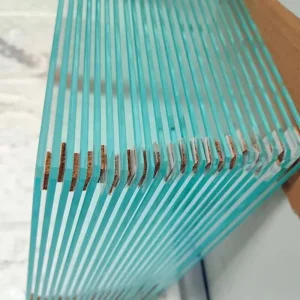
Standard clear float glass contains iron oxides that give it a light green tint, visible especially along the edges. Low-iron glass (such as ultra-clear glass) is manufactured with raw materials containing low iron concentrations, reducing the green hue to deliver maximum light transmission and neutral transparency.
Tempered glass is processed by heating annealed glass to around 620°C and rapidly cooling it. This creates balanced compressive stresses on the outer surfaces and tensile stresses in the body. If broken, it fractures into small, rounded fragments rather than sharp shards, reducing the risk of injury.
IGUs consist of two or more glass panes separated by a spacer hermetically sealed with air or noble gas (like argon) in between. This space acts as a barrier to heat transfer, helping control indoor temperatures and lowering energy consumption for heating and cooling.
Key metrics include nominal thickness tolerance, safety certifications (e.g., CE, SGCC, AS/NZS), edge quality requirements, maximum aspect ratio limits, and mechanical loading tolerances. These specifications ensure structural safety and compatibility with local building codes.
SGP (SentryGlas® Plus) is an ionoplast interlayer that is five times stronger and up to 100 times stiffer than conventional PVB interlayers. SGP laminates retain post-breakage load-bearing capacity, making them suitable for structural glass components like balustrades, glass stairs, and hurricane-resistant windows.
Low-E (Low-Emissivity) coatings are microscopically thin, transparent metal oxide layers that reflect long-wave infrared energy (heat) while allowing visible light to pass. They help reflect indoor heating back inside during winter and limit solar heat gain during summer, improving insulation.
Advanced interior and exterior glass fabrications with high structural tolerances, sound insulation, and safety ratings.
 Greensina Glass