Direct supply of precision-engineered insulated, tempered, and laminated systems optimized for architectural glazed corners and structural envelopes.
Within high-end architectural engineering, a mitred edge glass finish represents the pinnacle of structural seamlessness. Most commonly executed at a 45-degree angle, mitre cuts allow two glass sheets to join corner-to-corner to create a virtually invisible edge, eliminating bulky metal framing profiles. To achieve this, the manufacturing process must resolve substantial challenges related to dimensional stability and safety standards.
Processing premium mitred edges requires computerized control. Our factory employs multi-axis CNC grinding and polishing lines that achieve angular tolerances of less than ±0.1°. The process involves high-speed, water-cooled diamond polishing wheels that shape the edge without micro-fracturing the structural boundaries. This integrity is vital; micro-cracks along a bevelled edge can act as stress concentration points during tempering, resulting in spontaneous breakage or delamination in insulated or laminated glass configurations.
How top-tier structural engineers and project planners deploy mitred edge configurations across structural frameworks.
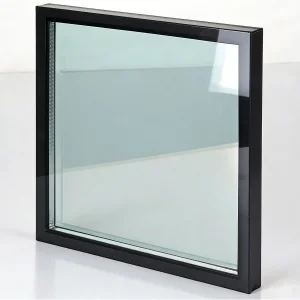
For double and triple glazed facades, mitred edge structural seals allow complete perimeter transparency. By utilizing UV-stable structural silicones in conjunction with tempered glass pane systems, structures achieve continuous thermal envelopes without aluminum mullions.
Bespoke display cases and high-exposure shopfronts utilize extra-clear (low iron) float glass with polished 45-degree bevels. This construction maximizes ambient light transmission and eliminates dark joints for museums and luxury flagship stores.
Offices and high-end residences rely on 10mm to 19mm tempered panels with mitred terminations. These configurations ensure safety and structural rigidity under dynamic loads while optimizing floorplate configurations.
Hangzhou Greensina Glass Co., Ltd. is a professional manufacturer specializing in architectural and decorative glass solutions. Located in Hangzhou, China, the company focuses on providing high-quality glass products widely used in residential buildings, commercial spaces, offices, and interior design projects. Our main product range includes tempered glass, laminated glass, insulated glass, frosted glass, and tinted glass, all designed to meet modern requirements for safety, energy efficiency, and aesthetic appeal.
Founded in 2010, Greensina Glass has grown steadily from a small processing workshop into a reliable supplier in the architectural glass industry. The company now employs more than 90 experienced staff members, including skilled technicians, engineers, and quality control specialists. Our production facility covers an area of approximately 7,000 square meters and is equipped with advanced glass processing equipment to ensure precise manufacturing and consistent product quality.
Over the years, Hangzhou Greensina Glass Co., Ltd. has expanded its market to serve customers both domestically and internationally. Our products are exported to Europe, North America, Southeast Asia, and the Middle East. By focusing on innovation, strict quality management, and customer-oriented service, the company is committed to delivering dependable glass solutions and establishing long-term partnerships with clients worldwide.
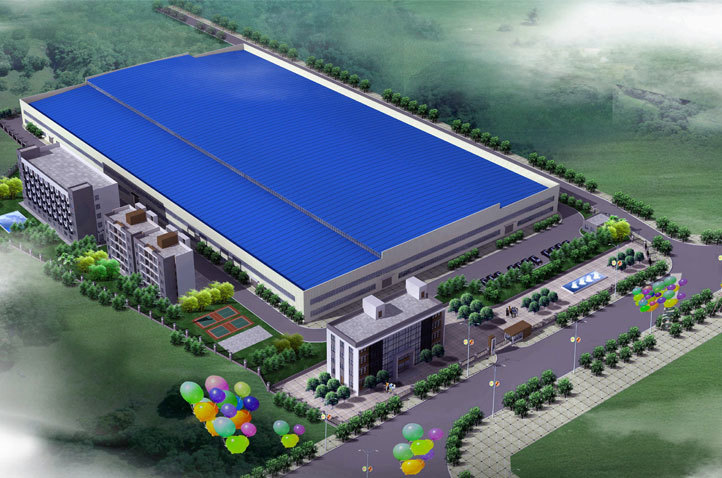
Optimizing the B2B supply chain for custom architectural glass requires both modern production machinery and robust raw material logistics. Operating from a 7,000 square meter plant, Greensina Glass utilizes automated manufacturing workflows to balance precision with cost efficiency.
Our facility leverages automated glass optimization software to minimize raw material waste during cutting, reducing production costs. Our close proximity to the ports of Ningbo and Shanghai provides convenient international shipping access. This strategic location enables us to secure competitive shipping rates, manage export logistics efficiently, and offer reliable delivery timelines for B2B contracts across North America, Europe, and the Middle East.
Crucial standards and performance guidelines global buyers must establish before placing custom glass orders.
Buyers must verify dimensional tolerances. Standard specifications should define tolerances within ±0.2mm for glass thickness deviations and ±0.5° for angular cuts to ensure seamless mitered joints.
Always demand compliance documentation. All architectural glass configurations must bear permanent stamps certifying compliance with CE (EN 12150), SGCC (ANSI Z97.1), or local equivalent standards.
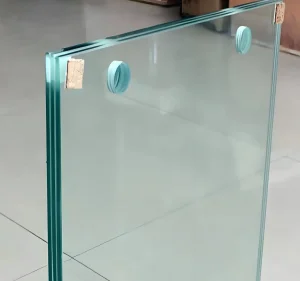
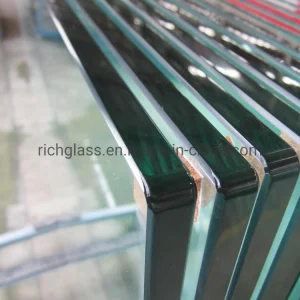
Mitred edge profiles are vulnerable to edge chipping during transit. Specifying heavy-duty, cork-separated, custom wooden crates with steel strapping minimizes shipping and handling damage risks.
For structural applications, check multi-layered glass for alignment offsets. Precision glass cutting before assembly prevents edge offset delamination and visual distortion.
Greensina Glass ensures seamless international trade integration, from regulatory certification to site-delivery coordination.
We provide full documentation support including Certificates of Origin, Bill of Lading, and commercial invoices formatted to comply with national import policies, expediting customs clearance.
Our heavy-duty, IPPC-certified wooden crates feature integrated desiccant packs and rubber edge corner guards to prevent mechanical shock and moisture haze during sea transit.
We work directly with commercial architects. Send your CAD drawings or BIM profiles, and our engineering department will provide technical reviews and material specifications within 48 hours.
As smart building envelopes demand greater functional integration, glass processing continues to advance. Key research areas focus on the application of thin-film functional coatings directly onto polished mitred edges, preventing thermal bridges along glass-to-glass structural joints.
Additionally, the incorporation of electrochromic smart glass technologies requires new edge grinding methods. These techniques must protect internal electrode layers during mitre processing, ensuring reliable electrical connections. Greensina Glass is investing in R&D to combine edge precision with dynamic smart glass technologies, preparing for next-generation architectural projects.
Technical answers and procurement solutions regarding architectural mitred edge glass manufacturing.
Mitred edge glass features a bevelled edge cut at a specific angle (most commonly 45 degrees), allowing adjacent panels to join seamlessly at right angles without visible supporting frames. This is highly preferred in modern architecture to maximize views, enhance natural light transmission, and create clean, modern interior glass partitions, display cases, and curtain walls.
Using multi-axis CNC glass grinding centers, we achieve angular precision within ±0.2 degrees and dimensional tolerances under ±0.5mm. This high level of precision prevents gaps when joining glass pane systems, ensuring clean and robust structural silicone joints.
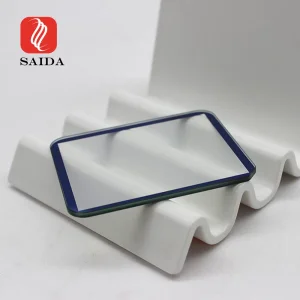
Yes. However, the edge work must be completed prior to the tempering process. Polishing is critical because any micro-fracture along the bevelled edge can cause structural failure under the thermal and physical stresses of tempering. Our advanced pre-processing polishing lines verify that all edges are polished prior to tempering.
Hangzhou Greensina Glass Co., Ltd. products comply with international building and safety standards. Our architectural glass products hold CE certification (EN 12150) for the European market and SGCC certification (ANSI Z97.1) for North America.
We employ specialized packaging protocols for mitred glass shipments. Corner protection caps are applied to every panel, and sheets are separated by cork pads. The glass is then packed into custom, IPPC-certified wooden crates, secured with steel straps to prevent movement during sea transport.
Standard lead times range from 15 to 25 days depending on the volume and customization complexity (such as double glazing or custom lamination). Delivery estimates are provided upon receipt of detailed engineering specs and production drawings.
Yes, we provide ultra-clear, low-iron glass options. Low-iron glass significantly reduces the green tint characteristic of standard float glass, offering high light transmission and clarity—making it ideal for structural glass joints.
Yes. We manufacture double and triple glazed insulated glass units featuring stepped or mitred profile configurations, designed specifically for clean glass-to-glass structural corner joints.
On-site installation is typically completed using high-modulus, UV-stable structural silicone sealants. It is critical that the mitered edges are clean, dry, and aligned to ensure a long-lasting, weather-tight seal.
Our flexible production facility accommodates both large-scale commercial developments and custom design projects. MOQ guidelines are based on thickness and processing steps; please contact our B2B sales team for a custom quote.
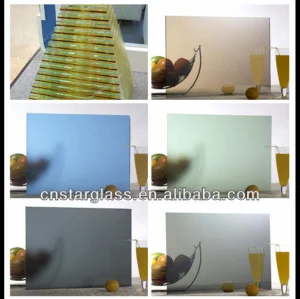
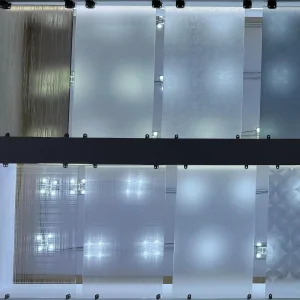
Explore our structural safety lamination, decorative privacy panels, and high-performance building solutions.
 Greensina Glass