In modern structural and interior architecture, glass has transcended its traditional role as a vertical enclosure material to become a vital element of horizontal structural load-bearing design. Flooring, staircases, skywalks, and pedestrian platforms now regularly utilize glass to maximize natural light penetration and visual continuity. However, incorporating horizontal glass elements necessitates a rigorous approach to pedestrian safety—specifically, the mitigation of slip hazards under varied wet and dry environmental conditions.
As a result, the demand for high-performance non-slip glass (also referred to as anti-slip glass) has grown exponentially. Leading global developers, architectural engineering firms, and municipal procurement networks require products that maintain a high coefficient of friction (CoF) without compromising structural integrity or aesthetic refinement. This industry whitepaper analyzes the core technical frameworks, global supply systems, and localization strategies that define the leading manufacturers in this specialized market segment.
Pendulum Test Values (PTV): Highly dependent on micro-texture roughness levels. Architectural specifications frequently mandate a PTV >36 in wet conditions.
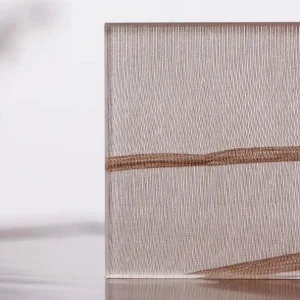
Interlayer Redundancy: Use of SentryGlas® (SGP) or specialized structural PVB interlayers is standard for commercial overhead stair treads and floor systems.
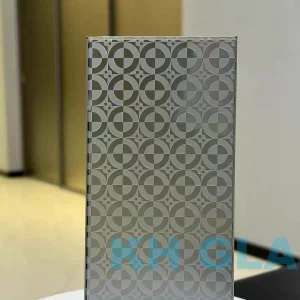
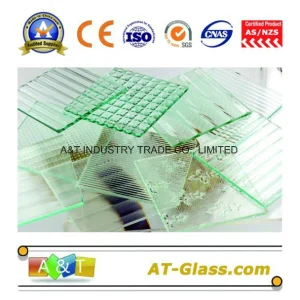
Surface Methodologies: A comparison between multi-pattern acid etching (durable, uniform chemical reaction) and ceramic frit fusing (abrasive particles fused at high temperatures).
To qualify as an elite global exporter of non-slip structural glass, a manufacturer must display verifiable capability across five core performance domains:
Top suppliers must offer testing reports certified by international bodies like SGCC (North America), CE (Europe), and CSI (Australia/New Zealand). Without validated DIN 51130 R-ratings (R9 through R13) and ANSI/ASTM testing, structural floor glazing cannot clear local municipal inspections.
Deep-etching lines require advanced machinery to maintain precise etching depth to the micron level. Superior suppliers use highly controlled acid-etching solutions and screen-printed ceramic inks, producing consistent anti-slip performance that resists wear and tear over decades of foot traffic.
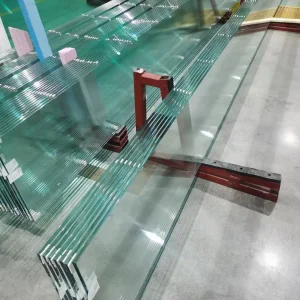
Safety glass flooring requires laminating multiple sheets of high-strength glass. Top-tier providers integrate clean lamination autoclaves capable of combining tempered low-iron glass sheets with PVB or DuPont SentryGlas (SGP) interlayers to ensure post-breakage load-bearing capacity.
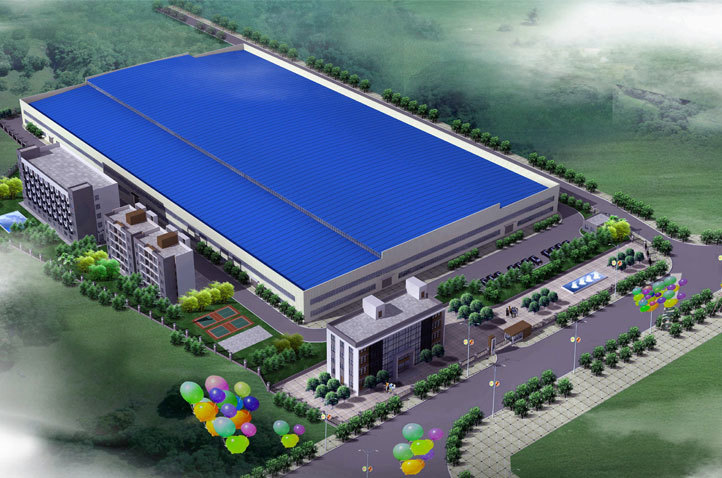
Established in 2010, Hangzhou Greensina Glass Co., Ltd. has evolved from a regional glass workshop into a prominent manufacturer in the architectural and decorative glass industry. Operating from a modern 7,000 square meter facility in Hangzhou, China, the company specializes in fabricating custom safety glass solutions designed for demanding architectural applications, including commercial stairs, public platforms, and custom slip-resistant interior elements.
With a dedicated team of over 90 skilled technicians, engineers, and quality assurance personnel, Greensina Glass utilizes precision tempering and laminating equipment to produce materials that comply with international safety regulations. Their products are exported globally, serving major construction, retrofit, and renovation projects across Europe, North America, Southeast Asia, and the Middle East.
Sourcing anti-slip structural glass from China offers substantial advantages to global contractors and architectural developers. These benefits stem from the integration of manufacturing ecosystems, raw material access, and advanced logistics infrastructure.
Chinese glass clusters concentrate all stages of production in regional hubs, allowing flat float glass production, acid etching, tempering, laminating, and CNC edge working to happen in close proximity. This localized structure reduces transit times, minimizes handling damage, and lowers production costs compared to fragmented supply networks.
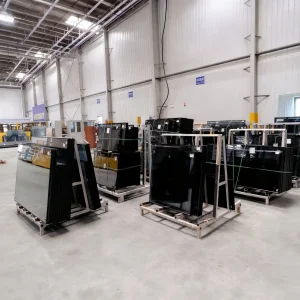
With major capital investments in glass processing technology, factories in China utilize high-performance tempering furnaces, automated double-edge grinding machines, and waterjet cutters. This machinery supports high-yield production and enables precise customization of shapes, dimensions, and custom slip-resistant patterns.
Located near major container shipping ports like Shanghai, Ningbo, and Shenzhen, Chinese exporters offer reliable maritime logistics. They specialize in heavy-load packing, utilizing customized steel-framed crates, humidity control, and secure flat-rack container systems designed to handle tons of structural glass safely across long distances.
For structural glass flooring, meeting regulatory requirements is essential for project approvals. Different jurisdictions apply specific testing protocols to certify the safety and slip resistance of glass installed in public and private spaces.
| Standard / Regulation | Geographic Region | Testing Methodology | Application Requirements |
|---|---|---|---|
| DIN 51130 (R-Rating) | Europe / Global standard | Ramp testing with motor oil, categorizing slip-resistance from R9 (lowest) to R13 (highest). | R10 is typical for standard interior flooring; R11 to R12 is required for wet public areas or commercial staircases. |
| BS 7976-2 (Pendulum Test) | United Kingdom / Commonwealth | Measures Pendulum Test Value (PTV) using a slider to simulate a shoe sole under wet and dry conditions. | A PTV of 36 or greater is required in wet conditions to indicate a low slip potential. |
| ASTM C1028 (SCOF) | North America | Static Coefficient of Friction (SCOF) test on wet and dry glass surfaces. | Historically required an SCOF ≥ 0.60 for slip-resistant paths, though frequently supplemented by newer dynamic friction tests. |
| ANSI A326.3 (DCOF) | North America | Dynamic Coefficient of Friction (DCOF) testing under wet conditions. | A DCOF of 0.42 or greater is standard for interior thresholds likely to get wet during use. |
| EN 12600 / EN 14449 | Europe | Impact testing for flat glass and laminated safety glass. | Certifies that fractured laminated glass remains bonded to the interlayer to prevent fall-through. |
To support international buyers, leading exporters provide regional compliance support. This includes localized technical documentation, engineer-certified structural calculations, and direct coordination with testing laboratories to verify that shipped products meet local building codes.
In commercial lobbies, high-end retail venues, and residential spaces, glass staircases provide a light, open aesthetic. Using multi-layered laminated safety glass with a structured, slip-resistant surface ensures code compliance and visitor safety.
Overhead walkways, light wells, and observation decks rely on thick, laminated structural glass. The glass surface requires a permanent anti-slip treatment to maintain grip under wet weather conditions without significantly blocking natural light.
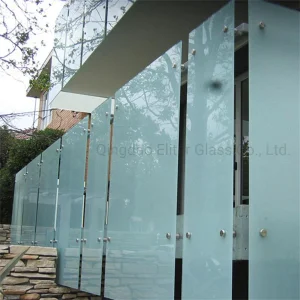
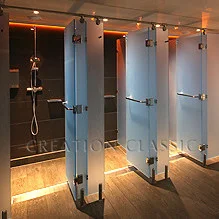
Spas, luxury bathrooms, and indoor pool decks benefit from the clean design of glass. Applying specialized acid-etched glass finishes provides reliable traction underfoot while offering privacy through translucent, frosted finishes.
For typical commercial installations, code requirements mandate a slip resistance rating of R10 or R11 under the European DIN 51130 standard, which corresponds to a Pendulum Test Value (PTV) of 36 or higher in wet conditions. For high-traffic areas, outdoor skywalks, or areas prone to moisture (such as transition zones from outdoors to indoors), an R11 or R12 rating is recommended to reduce liability and ensure pedestrian safety.
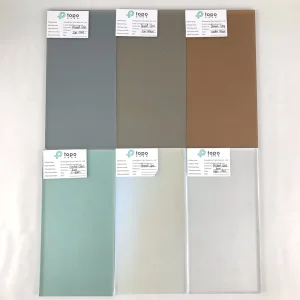
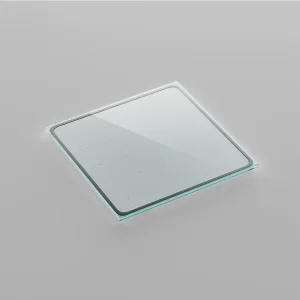
Acid-etched glass uses a controlled chemical reaction to etch micro-textures directly into the glass pane. This treatment is durable, easy to clean, and resists wear over time. In contrast, ceramic-fritted glass fuses mineral-based, slip-resistant coatings onto the glass surface during the tempering process. Ceramic fritting allows for bold patterns and colors, but it can be more abrasive and prone to collecting dirt in heavy-traffic environments.
Tempered glass offers high mechanical strength to resist loads and impacts. However, if tempered glass breaks, it shatters into small, loose fragments. Laminating multiple glass panes with high-strength plastic interlayers (such as PVB or SGP) ensures that if one layer fractures, the remaining layers keep the panel intact and load-bearing, preventing falls until the panel can be replaced.
Hangzhou Greensina Glass operates under a strict quality management system throughout production. All export consignments are manufactured to meet CE and SGCC specifications. Before shipping, finished glass sheets undergo automated dimensional inspection, laser-scanning for optical clarity, and testing of tempering stress. Glass is packed in heavy-duty, moisture-protected wooden crates with shock-absorbing interlayers to prevent transit damage.
Architects can specify custom shapes, including curved panels, polished edges, circular cutouts, and countersunk holes for structural hardware. Exporters offer tailored solutions ranging from thin 4mm decorative glass to heavy structural multi-layer laminates exceeding 40mm in thickness, with custom-engineered etching patterns to match project-specific design aesthetics.
 Greensina Glass