Discover high-performance glass components engineered to structural specifications and dynamic architectural integrations.
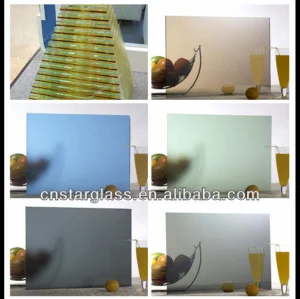

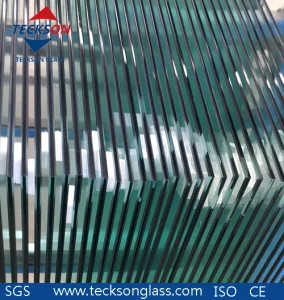
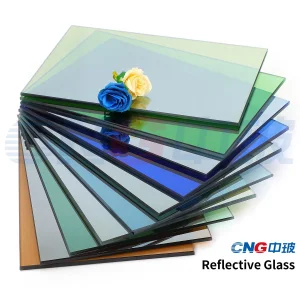
Unlike standard architectural flat glass or cylindrically bent glass (which relies on single-axis curvature), spherical curved glass possesses complex, double-curvature profiles. This compound curvature requires precise deformation control along multiple coordinate planes concurrently.
"To create compound curves without inducing severe local optical distortions or visual aberrations, manufacturers must master advanced thermal dynamics during the slumping phase. The glass must reach a highly specific transition temperature (viscosity level of 1010 to 1013.5 Poise) where gravity or controlled press-molds shape it precisely without stretching the core layer."
For facade consultants, automotive designers, and industrial product engineers, evaluating suppliers of spherical curved glass is a multi-dimensional task. High-quality spherical elements must retain uniform thickness, minimal optical distortion, high structural load capacities, and zero micro-fissuring along the radial sweeps.
Identifying the top manufacturers globally relies on quantitative and qualitative performance indicators. When procuring spherical glass at scale, engineers assess factories across a specific matrix:
These advanced criteria differentiate Tier-1 manufacturers from regional processing workshops. Companies in the Top 10 list typically possess multi-axis CNC glass routing, cleanroom autoclaving for lamination, and automated optical scanning equipment.
Exploring the structural advantages of sourcing double-curved and compound glass components from China's advanced industrial clusters.
China's dominance in the glass processing industry extends to specialized components, such as spherical and hyperbolic glass panels. High industrial concentration, vertically integrated supply chains, and substantial investments in multi-axis automation allow Chinese processors to achieve performance metrics that rival Western counterparts at favorable scales.
Access to premium quality low-iron float glass substrates (such as Jinjing, XYG, and CSG) directly adjacent to processing lines reduces transit costs and raw-material degradation.
Chinese factories typically operate in-house CNC mold-making shops. Designing and casting custom steel spherical bending molds in-house reduces typical lead times from weeks to days.
Equipped with multiple massive convection-bending ovens, these factories can transition from architectural mockups to volume manufacturing sequences rapidly.
Furthermore, Chinese suppliers routinely demonstrate compliance with international certification frameworks, including SGCC (North America), CE / EN 12150 (Europe), AS/NZS 2208 (Oceania), and JIS (Japan), assuring smooth customs clearances and strict compliance with local building codes.
A detailed look at the company's design capabilities, modern facility, and commitment to structural standards.
Hangzhou Greensina Glass Co., Ltd. is a professional manufacturer specializing in architectural and decorative glass solutions. Located in Hangzhou, China, the company focuses on providing high-quality glass products widely used in residential buildings, commercial spaces, offices, and interior design projects. Our main product range includes tempered glass, laminated glass, insulated glass, frosted glass, and tinted glass, all designed to meet modern requirements for safety, energy efficiency, and aesthetic appeal.
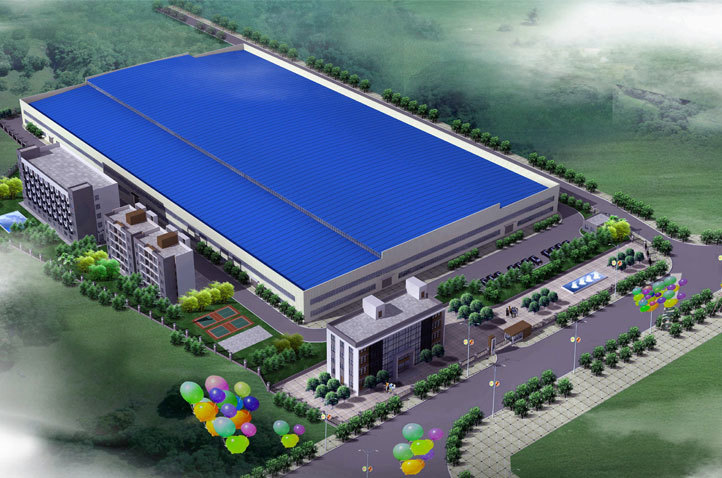
Founded in 2010, Greensina Glass has grown steadily from a small processing workshop into a reliable supplier in the architectural glass industry. The company now employs more than 90 experienced staff members, including skilled technicians, engineers, and quality control specialists. Our production facility covers an area of approximately 7,000 square meters and is equipped with advanced glass processing equipment to ensure precise manufacturing and consistent product quality.
Over the years, Hangzhou Greensina Glass Co., Ltd. has expanded its market to serve customers both domestically and internationally. Our products are exported to Europe, North America, Southeast Asia, and the Middle East. By focusing on innovation, strict quality management, and customer-oriented service, the company is committed to delivering dependable glass solutions and establishing long-term partnerships with clients worldwide.

How new glazing technologies and design parameters are expanding the envelope of possibilities.
| Trend Vector | Technological Driver | Impact on Spherical Glazing |
|---|---|---|
| BIPV Integration | Building Integrated Photovoltaics with thin-film solar printing. | Allows spherical canopy structures to double as clean energy generation surfaces without breaking aesthetic flow. |
| Dynamic Electrochromic Tuning | Smart polymer dispersed liquid crystal (PDLC) layers. | Enables variable light transmission within complex-curved security and skylight glass. |
| HUD-Optimized Optical Layers | Varying-thickness PVB wedges inside laminated structures. | Eliminates ghost images in automotive spherical windshields displaying Heads-Up Display data. |
| Hyperbolic Geometry Structural Design | Finite Element Method (FEM) analysis software integrations. | Reduces the structural steel required to support glass domes by leveraging structural shell stiffness. |
As architecture moves away from rigid cuboid geometries towards organic, biomimetic design signatures, the requirement for curved facades increases. These trends demonstrate why suppliers must invest in advanced R&D to keep pace with evolving facade technologies.
Tailoring complex geometries to specific functional environments across global industries.
Creating high-clarity structural enclosures. Traditional flat pane assemblies require complex metallic frameworks, increasing leakage risks. Spherical curved glass forms self-supporting, water-shedding structures that maximize natural light transmission and provide aesthetic continuity.
High-pressure safety solutions. Laminated spherical configurations distribute hydrostatic pressures evenly across the curve, minimizing tensile stresses at the center of the pane, which is critical for yacht windshields and underwater observatories.
Minimizing reflections and distortions. By selecting premium low-iron float glass with anti-reflective coatings applied post-bending, commercial facades achieve high visual clarity for showcase interiors without reflection lines.
Crucial validation metrics for procurement managers prior to dispatch approvals.
Before releasing final payments and starting ocean shipping, procurement teams should require quality reports that document these parameters:
By including these requirements in early purchase agreements, buyers avoid on-site installation failures and field replacements.
Direct, engineering-focused answers to common design and purchasing queries.
Gravity slumping involves heating flat glass over a female steel mold, letting gravity drop the pane slowly into shape. This produces high-quality optics but requires longer cycle times. Press bending utilizes mechanical male-female molds to force the shape. While faster and suited for automotive production, it requires careful calibration to prevent surface impressions from the molds.
Only specific, bendable Low-E coatings (hard coatings or post-temperable soft coatings) can survive the bending furnace. Soft coat layers are highly sensitive to oxidation and physical contact during bending, so they require convection heating profile adjustments to protect the metallic silver stack from degradation.
SGP interlayers are five times stronger and up to 100 times stiffer than traditional PVB. In double-curved and spherical shapes, SGP improves post-glass-breakage performance. The laminate maintains its shape and load capacity even if one layer breaks, which is vital for overhead dome installations.
Spherical glass requires custom-built L-frames or A-frames with molded supports that match the glass's radius. Each pane is separated by cork pads or foam dividers and wrapped in moisture-resistant film to prevent scratches and chemical staining during ocean shipping.
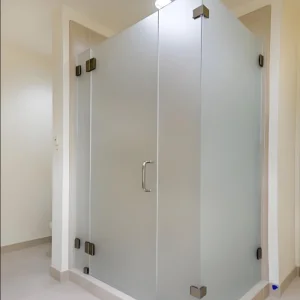
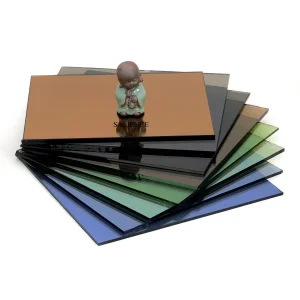
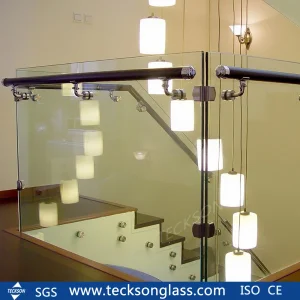
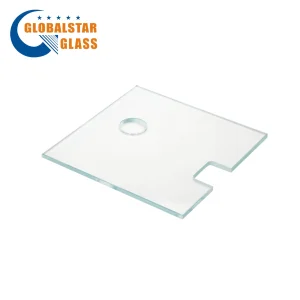
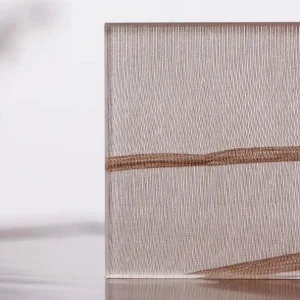
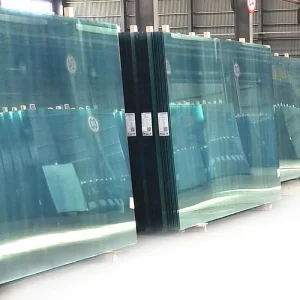
Explore our technical range, featuring energy-efficient, security, and decorative processed products.
 Greensina Glass