Explore our core high-precision glass solutions engineered for industrial, commercial, and safety critical infrastructure environments.
An authoritative analysis of optical mechanics, manufacturing methodologies, and quality control systems.
In modern industrial applications, the glare caused by specular reflection on glass surfaces poses significant challenges to safety, readability, and user engagement. Anti-Glare (AG) Glass mitigates these issues by altering the glass surface profile, converting direct specular reflection into diffuse reflection. This optical scattering mechanism is critical for displays used in automotive dashboards, control rooms, outdoor kiosks, and smart medical devices.
Selecting the optimal Anti-Glare glass factory and supplier is not merely a transaction of material sourcing, but a strategic engineering decision. Buyers must evaluate complex material characteristics including gloss levels, haze percentages, clarity metrics, and sparkle indexes. When matched correctly to the environment, high-quality AG glass guarantees optimal readability, touch sensitivity, and mechanical durability under extreme operating conditions.

There are two primary industrial pathways utilized by top-tier AG glass manufacturers to achieve the desired surface micro-structure: Chemical Acid Etching and Physical Spray Coating. Understanding the distinctions between these processes is vital for long-term reliability engineering.
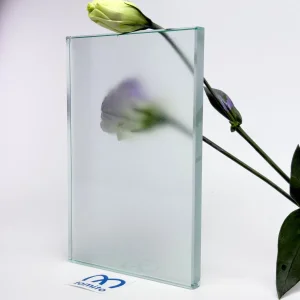
Uses hydrofluoric acid to selectively strip the glass silica structure, creating micro-roughness integrated directly into the substrate. This ensures permanent AG performance that will never peel or degrade.
Applies an inorganic or organic silica nanoparticle suspension onto the heated glass surface. This option is highly cost-effective for low-volume runs and allows for processing extremely large formats.
Combines vacuum magnetron sputtering with nanostructured oxides. This provides ultra-low reflection and excellent anti-glare profiles, making it ideal for military and aerospace grade HMIs.
| Evaluation Parameter | Chemically Etched AG Glass | Spray Coated AG Glass |
|---|---|---|
| Durability & Lifespan | Permanent (Matches substrate lifetime) | Moderate (Can degrade under continuous friction) |
| Surface Roughness (Ra) | 0.05 μm to 0.3 μm (highly uniform) | 0.1 μm to 0.5 μm (higher variance) |
| Sparkle Index (Display Clarity) | Extremely Low (Optimized for high-PPI screens) | Variable (Requires careful formulation to avoid grain) |
| Chemical / Scratch Resistance | Equivalent to raw glass substrate (Mohs 6-7) | Slightly reduced depending on matrix polymer |
| Ideal Application Formats | High-end displays, Automotive, Smart Switches | Large outdoor digital signage, projection walls |
A professional manufacturer specializing in architectural and decorative glass solutions.
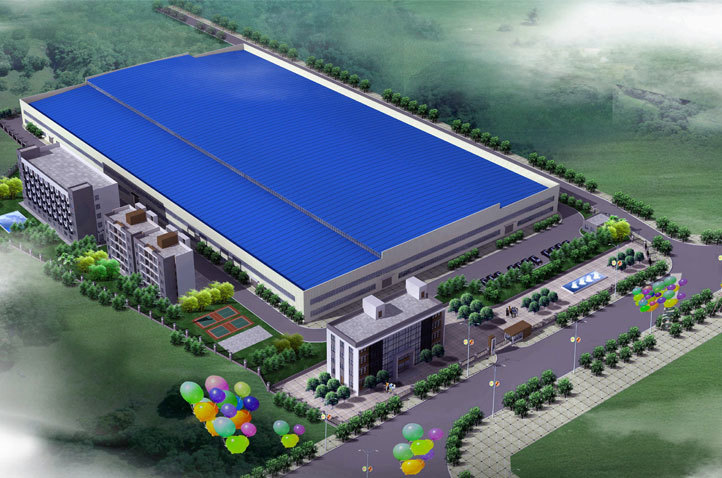
Founded in 2010, Hangzhou Greensina Glass Co., Ltd. has grown steadily from a small processing workshop into a reliable supplier in the architectural glass industry. Located in Hangzhou, China, the company focuses on providing high-quality glass products widely used in residential buildings, commercial spaces, offices, and interior design projects.
Our main product range includes tempered glass, laminated glass, insulated glass, frosted glass, and tinted glass, all designed to meet modern requirements for safety, energy efficiency, and aesthetic appeal. Over the years, we have expanded our market to serve customers both domestically and internationally, exporting to Europe, North America, Southeast Asia, and the Middle East.
Greensina Glass now employs more than 90 experienced staff members, including skilled technicians, engineers, and quality control specialists. Our production facility covers an area of approximately 7,000 square meters and is equipped with advanced glass processing equipment to ensure precise manufacturing and consistent product quality. By focusing on innovation, strict quality management, and customer-oriented service, the company is committed to delivering dependable glass solutions and establishing long-term partnerships with clients worldwide.
Key parameters for selecting and specifying Anti-Glare glass materials for global display integration.
When procuring AG Glass from Chinese factories, specifying simply "Anti-Glare Glass" is insufficient. Procurement engineers must submit detailed optical parameters to ensure the product matches the intended display size, pixel density, and environmental lux levels. The primary metrics to define include:
How distinct industry verticals deploy Anti-Glare solutions to solve visibility, safety, and durability challenges.
Industrial HMI screens on factory floors require robust AG surfaces that resist oil, dust, and solvents. Chemical etching guarantees that frequent cleaning won't degrade the glass surface.
Ticketing kiosks, EV charging stations, and outdoor advertising boards rely on low-gloss AG glass combined with UV-blocking lamination. This preserves display contrast in direct sunlight.
For glass facades, glass partitions, and office interior spaces, AG properties reduce reflectivity and visual strain, improving indoor comfort and energy efficiency.
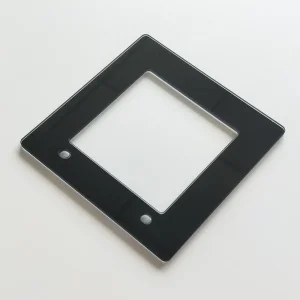
For smart home automation interfaces, such as the 86*86*3mm Electrical Switch Glass, the touch feedback (haptic glide) is highly dependent on the surface profile. Chemical etching produces a satin finish that reduces fingerprint oils (anti-fingerprint effect) and allows fingers to glide smoothly across the switch plate. Additionally, high-strength safety tempering is applied to guarantee that even under extreme impact force, the switch plate remains structural and safe for domestic users.
The next frontier of high-performance surface modification and material integration.
As micro-LED and high-PPI OLED displays become standard across consumer and automotive applications, AG technology must innovate to keep pace with higher pixel densities and more complex environments. The roadmap below outlines the key technological milestones for surface engineering:
Developing ultra-fine chemical etching profiles (Ra < 0.08 μm) to mitigate sparkle on displays exceeding 400 PPI (such as tablets and high-end automotive instrument clusters). This preserves optical resolution without losing glare control.
Integrating Anti-Glare (surface scattering), Anti-Reflective (vacuum optical interference coating), and hydrophobic Anti-Fingerprint (AF) chemical treatments onto a single substrate. This maximizes readability under high-lux ambient light.
Chemical tempering and etching of ultra-thin glass (UTG, 0.1mm - 0.5mm) to support foldable displays, curved automotive dashboards, and dynamic smart-home switch surfaces with elastic properties.
Get answers to the most critical technical questions regarding AG Glass procurement, properties, and applications.
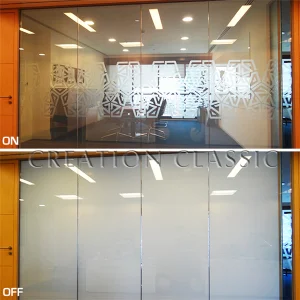
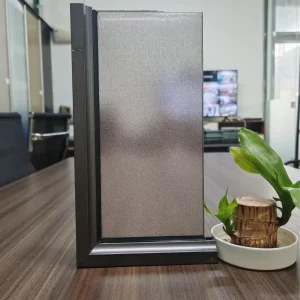
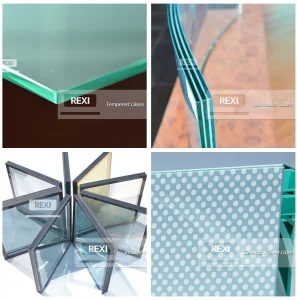
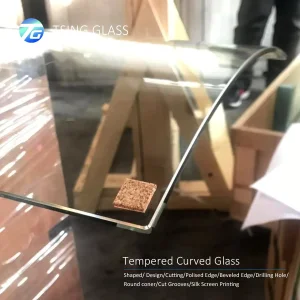
Industrial laminated, switchable privacy, and energy-efficient insulating glass systems for complex designs.
 Greensina Glass