Premium structural panels, energy-efficient glazing solutions, and safety-certified laminates manufactured to international industry benchmarks.
An in-depth analysis of destructive interference physics and nano-thin coating deposition technologies.
Anti-Reflective (AR) glass utilizes optical physics to optimize vision. Unlike standard glass that reflects about 4% to 8% of light per surface, AR glass relies on destructive interference. By applying alternating ultra-thin metal oxide layers (like TiO2 and SiO2) whose thickness matches a quarter-wavelength of incident light, reflected light waves cancel each other out. This reduces surface reflection to less than 0.5% and boosts overall light transmittance up to 98% or more.
Modern AR glass processing depends on industrial-grade Physical Vapor Deposition (PVD), specifically magnetron sputtering. High-purity metals are bombarded with plasma in vacuum chambers, depositing atomic-scale structures onto low-iron float glass substrates. This guarantees coating uniformity, atomic adhesion, and environmental stability, ensuring the glass maintains high performance in harsh conditions.
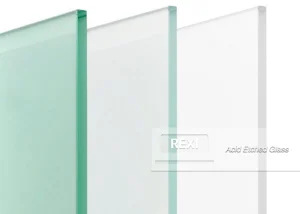
Procurement teams often confuse Anti-Reflective (AR) and Anti-Glare (AG) options. Anti-Reflective glass uses optical coatings to let light pass through cleanly, maintaining image crispness. Anti-Glare glass uses acid etching or sandblasting to scatter reflected light, reducing glare but slightly softening the image. Knowing this difference is crucial for choosing the right display screens or architectural facades.
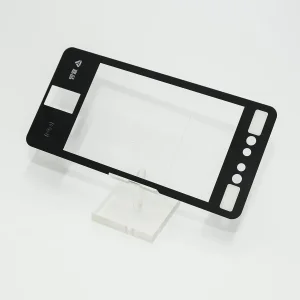
Anti-reflective glass is used in many high-end applications where clarity is critical. In premium architectural storefronts and luxury retail boutiques, AR glass removes reflections so shoppers can see products clearly. In digital signage and interactive displays (such as outdoor kiosks and smart home control panels), AR coatings improve visibility in bright sunlight, preventing wash-out.
For conservation-grade museum display cases and fine art framing, AR glass provides high light transmission while filtering UV rays to protect delicate artifacts. In the renewable energy sector, high-transmittance tempered glass is used for solar PV modules and concentrated solar power collectors to maximize solar energy absorption.
Furthermore, in specialized medical equipment interfaces and laboratory touchscreens, AR glass ensures clear, accurate views for healthcare professionals working under bright overhead lights.

How Hangzhou Greensina Glass Co., Ltd. balances manufacturing capacity with global logistics efficiency.
Operating in East China's glass manufacturing cluster allows us to source premium low-iron float glass substrates reliably. We work with leading suppliers to secure raw materials with minimal impurities. Located in Hangzhou, Zhejiang, we are close to Ningbo and Shanghai ports, which helps us arrange ocean freight quickly for international deliveries.
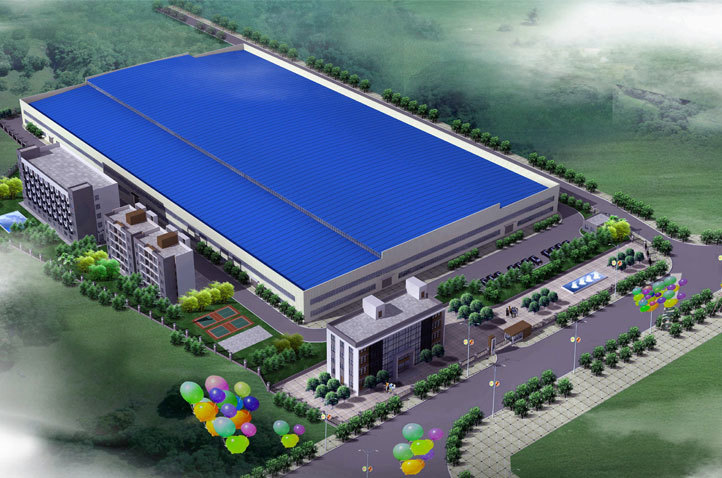
Our 7,000 square meter factory is equipped with CNC cutting lines, automated double-edging machines, tempering furnaces, and laminated glass production lines. By controlling every step—from cutting and polishing to tempering, laminating, and insulating—we meet tight dimensional tolerances and maintain flat surfaces, preventing optical distortion in our AR-coated glass.
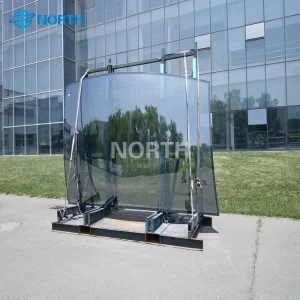
We supply glass customized to your project specifications. Our engineering team can adjust glass thickness (from 2mm to 19mm), shape (flat or curved), and edge finishes (flat, pencil, or beveled). We can also apply easy-clean hydrophobic coatings or combine AR glass with low-E layers for improved thermal performance.
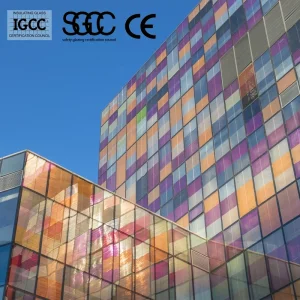
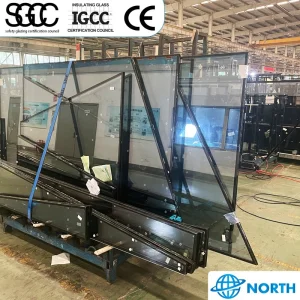
Procuring architectural glass globally requires strict compliance with local safety and quality standards. Hangzhou Greensina Glass Co., Ltd. builds confidence by maintaining international certifications, including the CE mark (EN 12150 / EN 14449) for Europe, and SGCC / ANSI Z97.1 certification for North American construction markets.
Every shipment undergoes testing for mechanical strength, surface stress, impact resistance, and optical performance. We document these tests with Traceable Material Test Reports (MTRs) to simplify compliance reviews for your project.
For custom clearances, we provide compliant commercial invoices, packing lists, and Certificates of Origin. Our logistics team works with global freight forwarders to handle customs processes smoothly, delivering your glass securely and on time.
Discover how nanostructured coatings and smart integrations are changing the specialty glass market.
The latest generation of AR glass features hydrophobic and oleophobic layers. These nano-coatings repel water and oil, reducing smudges and fingerprints. This makes the glass easier to clean, which is valuable for outdoor touch displays and public architectural glazing.
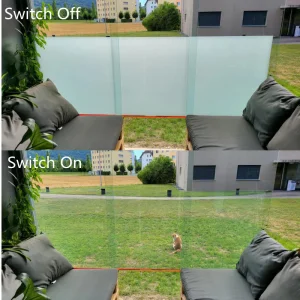
AR technology is increasingly combined with smart glass options. For example, combining AR coatings with PDLC (Polymer Dispersed Liquid Crystal) switchable layers produces high-contrast displays that offer privacy when powered off and high transparency when turned on.
Traditional AR coatings target a narrow visible light spectrum. New designs use multi-layer coating systems to minimize reflections across a wider range of wavelengths and angles, improving outdoor display visibility under changing sunlight.
A professional manufacturer specializing in architectural and decorative glass solutions.
Hangzhou Greensina Glass Co., Ltd. is a professional manufacturer specializing in architectural and decorative glass solutions. Located in Hangzhou, China, the company focuses on providing high-quality glass products widely used in residential buildings, commercial spaces, offices, and interior design projects. Our main product range includes tempered glass, laminated glass, insulated glass, frosted glass, and tinted glass, all designed to meet modern requirements for safety, energy efficiency, and aesthetic appeal.
Founded in 2010, Greensina Glass has grown steadily from a small processing workshop into a reliable supplier in the architectural glass industry. The company now employs more than 90 experienced staff members, including skilled technicians, engineers, and quality control specialists. Our production facility covers an area of approximately 7,000 square meters and is equipped with advanced glass processing equipment to ensure precise manufacturing and consistent product quality.
Over the years, Hangzhou Greensina Glass Co., Ltd. has expanded its market to serve customers both domestically and internationally. Our products are exported to Europe, North America, Southeast Asia, and the Middle East. By focusing on innovation, strict quality management, and customer-oriented service, the company is committed to delivering dependable glass solutions and establishing long-term partnerships with clients worldwide.
Answers to common technical questions about anti-reflective glass specifications, standards, and shipping.
By using low-iron float glass substrates and precise double-sided PVD magnetron sputtering coatings, our anti-reflective glass achieves up to 98% visible light transmittance. This is a significant increase compared to the 89-91% transmittance of standard uncoated low-iron glass.
Yes. Our anti-reflective glass can be fully tempered (heat toughened) or heat strengthened to meet safety requirements. It can also be laminated with PVB or SGP interlayers for security applications, or built into insulated glass units (IGUs) for thermal efficiency.
We package our glass in heavy-duty, seaworthy plywood crates with protective paper or powder interleaving. The crates are strapped securely in containers to prevent movement, ensuring the glass and its optical coatings arrive safely without moisture damage or scratches.
Yes. Our safety glass is certified under SGCC (Safety Glazing Certification Council) and ANSI Z97.1 for the North American market, as well as CE (EN 12150 / EN 14449) for the European market. We supply test certification documents with every order.
From smart privacy options to high-efficiency vacuum insulation panels, explore our complete glass catalog.
 Greensina Glass