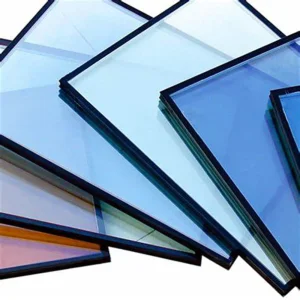
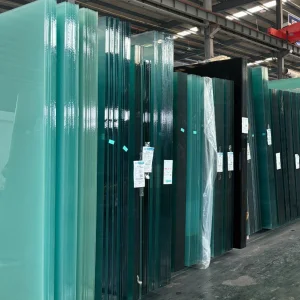
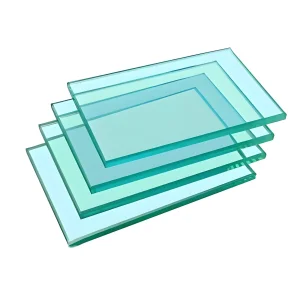
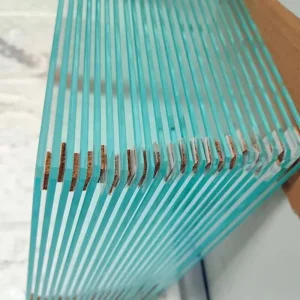
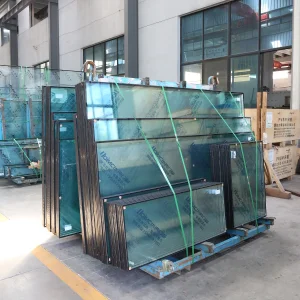
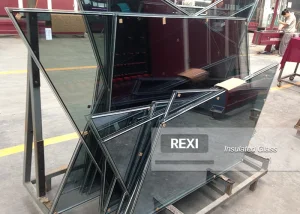
Discover our core line of premium commercial and structural glass products, manufactured using industry-leading tempering, laminating, and insulating technologies.
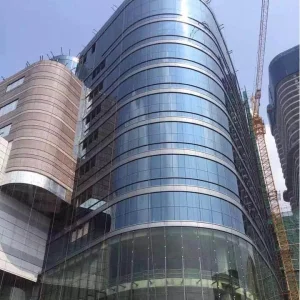
Bent glass (often referred to as curved glass) represents a pinnacle of structural engineering and architectural styling. Traditionally viewed as a complex custom accent, bent glass has evolved into a key element of modern building envelopes, luxury retail storefronts, and interior structural partitions. By utilizing specialized gravity bending, heat tempering, or cold bending processes, raw glass sheets are shaped to precise radii without sacrificing optical clarity or mechanical safety.
"Architects no longer design buildings as rigid blocks. Today, the organic, curved form is standard. High-performance bent glass allows for thermal efficiency and safety compliance while supporting smooth architectural transitions."
For structural engineers and facade consultants, choosing the right bent glass manufacturer involves understanding structural calculations, heat-treatment methods, and optical tolerances. This whitepaper analyzes critical manufacturing processes, quality benchmarks, and the logistical advantages of sourcing from Chinese facilities.
Different curved glass applications require distinct thermal and mechanical treatments. Understanding these options is essential for optimal structural specification.
Raw glass is placed over a custom steel mold and heated slowly to approximately 600°C. Gravity pulls the softened glass into the shape of the mold. The glass is cooled slowly (annealed) to prevent internal stresses. This process offers maximum curvature flexibility, minimal optical distortion, and supports complex geometries like double curvature, though it does not provide the safety characteristics of tempered glass.
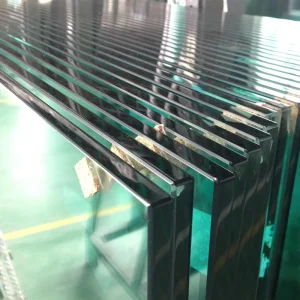
Combining structural safety with modern form, this process heats the glass and passes it through a mechanized bending section inside a tempering furnace. It is immediately quenched with cool air. This introduces surface compression, making it up to four times stronger than annealed glass. In the event of failure, it breaks into small fragments, meeting international safety codes.
By sandwiching multiple layers of curved glass with high-strength plastic interlayers (such as PVB or SGP), laminated bent glass provides high security and acoustics. SentryGlas Plus (SGP) interlayers are commonly used in structural glass balustrades, hurricane zones, and zoo enclosures, offering high post-break structural strength and resistance to moisture.
For international procurement managers, architects, and engineering firms, sourcing bent and architectural glass from China offers substantial logistical and financial advantages. China hosts a complete supply chain cluster, providing immediate access to high-grade silica sand, advanced domestic tempering machinery, and specialized float lines.
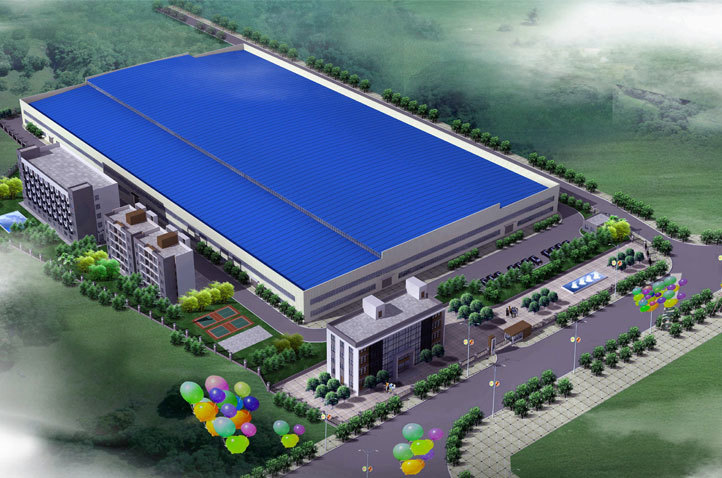
Hangzhou Greensina Glass Co., Ltd. is a professional manufacturer specializing in architectural and decorative glass solutions. Located in Hangzhou, China, the company focuses on providing high-quality glass products widely used in residential buildings, commercial spaces, offices, and interior design projects.
Founded in 2010, Greensina Glass has grown steadily from a small processing workshop into a reliable supplier in the architectural glass industry. The company now employs more than 90 experienced staff members, including skilled technicians, engineers, and quality control specialists. Our production facility covers an area of approximately 7,000 square meters and is equipped with advanced glass processing equipment to ensure precise manufacturing and consistent product quality.
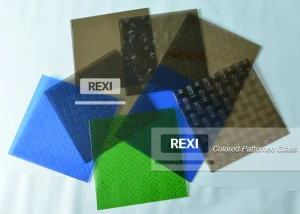
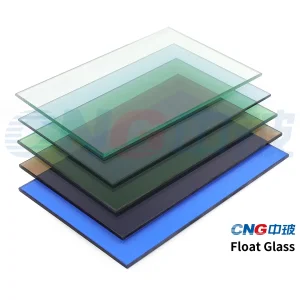
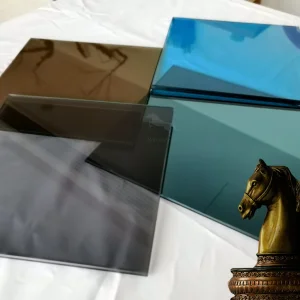
Our main product range includes tempered glass, laminated glass, insulated glass, frosted glass, and tinted glass, all designed to meet modern requirements for safety, energy efficiency, and aesthetic appeal. Over the years, Hangzhou Greensina Glass Co., Ltd. has expanded its market to serve customers both domestically and internationally, exporting to Europe, North America, Southeast Asia, and the Middle East.
Fully tempered safety glass meeting global EN and ASTM criteria.
Advanced dual and triple silver Low-E thermal coatings.
Specialized laminated and insulated units for heavy-traffic zones.
Procuring bent glass requires close technical alignment. Because curved glass cannot be recut or altered once tempered, manufacturing dimensions must be exact. International buyers should verify the following quality and technical parameters:
Confirm the manufacturer's tolerances for radial accuracy, girth deviation, and straight-edge flat spots. High-end facades typically require a radius deviation of less than ±2mm. Standard quality checks should include physical template tests before shipping.
During horizontal bending and tempering, glass is subject to roll-wave distortion and bistable bistriction. Request zebra test results or optical distortion measurements (such as millidiopter values) to ensure clear, reflection-free surfaces.
If utilizing energy-saving Low-E coatings, ensure the coatings are rated for post-bending heat treatment. Hard-coated Low-E can be bent easily, but soft-coated (sputtered) Low-E requires specialized convection bending ovens to avoid burning or degrading the microscopic silver layer.
From structural envelopes to interior styling, custom bent glass solutions enhance performance and design across architectural sectors.
Curved structural glass minimizes aerodynamic resistance and wind loads on tall buildings. Incorporating bent double-glazed units (DGUs) with argon fill provides high-level thermal insulation, keeping structures cool in the summer and warm in the winter.
Flagship retail brands use curved glass panels to create seamless, open storefront displays. Standard glass has a slight green tint; utilizing low-iron (extra-clear) bent glass ensures true-color display of interior merchandise.
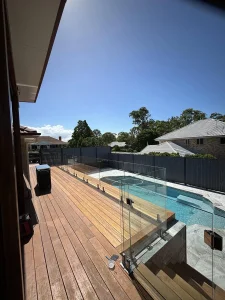
In offices and malls, curved glass balustrades create smooth pedestrian pathways. SGP laminated bent glass provides high post-break structural integrity. If a panel breaks, the interlayer holds the fragments upright, maintaining a protective barrier.
The global glass processing industry is shifting toward multi-functional glass components. Today, a single curved sheet must offer safety, insulation, acoustic dampening, and solar control.
1. Carbon-Neutral Glass Manufacturing: Modern bending furnaces are adopting energy-efficient heating designs and regenerative thermal systems to reduce carbon footprint, aligning with international green building standards (LEED/BREEAM).
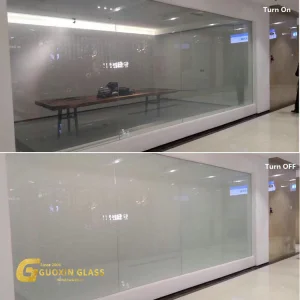
2. Smart Glass Integration: Switchable PDLC film laminated directly between curved glass sheets allows users to adjust privacy dynamically. This technology is increasingly utilized in luxury conference rooms, executive suites, and hotel windows.
3. Advanced Soundproofing: Heavy transport networks are driving demand for advanced acoustic laminates. Utilizing variable-thickness triple-glazed units blocks high-frequency traffic noise, supporting urban residential development.
As structural designs grow more complex, the bent glass industry is moving toward automated, high-precision processing technologies:
| Metric / Trend | Previous Tech | Future Standard |
|---|---|---|
| Max Jumbo Size | 3600mm x 6000mm | up to 18000mm |
| Min Radius Deviation | ±3.0mm | ±1.0mm |
| Low-E Compatibility | Hard-Coated Only | Double/Triple Silver Soft |
Common technical and logistical questions answered by our engineering and logistics specialists.
Browse our full range of structural laminates, safety tempered panels, and high-performance insulated glass units for global delivery.
 Greensina Glass