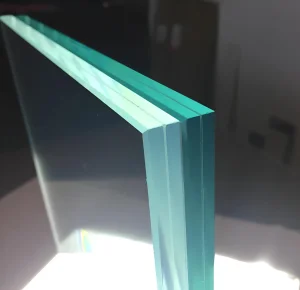
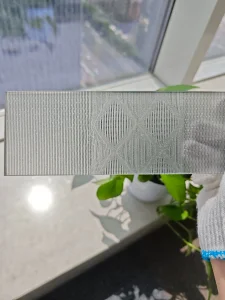
Discover our wide range of architectural glass solutions tailored for modern structural canopies and facades.
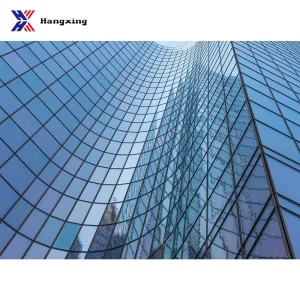
In the contemporary landscape of global urban development, glass canopies have evolved from mere functional shelters to iconic architectural statements. As cities emphasize sustainable and "breathable" architecture, the demand for high-transparency, high-strength glass has skyrocketed. Commercial districts from New York to Singapore are increasingly utilizing glass canopies to bridge the gap between indoor luxury and outdoor fluidity.
Modern glass factories are no longer just manufacturers; they are engineering partners. The global industry is now focused on integrating structural integrity with thermal performance. With the rise of Smart Cities, the canopy glass industry is witnessing a surge in the integration of BIPV (Building Integrated Photovoltaics) and switchable smart glass technologies.
Our engineers utilize advanced CAD and structural modeling to ensure every glass pane meets localized building codes for wind load, snow load, and seismic activity.
Implementing ISO 9001 standards and CE certifications, we perform rigorous fragmentation tests and heat soak tests to eliminate the risk of spontaneous breakage.
With a robust logistics network, we ensure "Door-to-Port" delivery reliability, utilizing specialized sea-worthy plywood crates for zero-breakage transport.
Hangzhou Greensina Glass Co., Ltd. is a professional manufacturer specializing in architectural and decorative glass solutions. Located in Hangzhou, China, the company focuses on providing high-quality glass products widely used in residential buildings, commercial spaces, offices, and interior design projects. Our main product range includes tempered glass, laminated glass, insulated glass, frosted glass, and tinted glass, all designed to meet modern requirements for safety, energy efficiency, and aesthetic appeal.
Architects are pushing the boundaries of what glass can do. We are seeing a shift toward "Minimalist Support" structures, where the glass itself provides part of the structural rigidity. SGP (SentryGlas Plus) interlayers are becoming the gold standard for overhead glazing due to their post-breakage strength.
| Trend Category | Innovation Focus | Impact |
|---|---|---|
| Energy Efficiency | Triple Silver Low-E Coating | Reduces HVAC costs by up to 30% |
| Aesthetics | Extra-Clear (Low-Iron) Glass | Removes the green tint for pure clarity |
| Maintenance | Self-Cleaning Hydrophilic Coating | Reduces cleaning frequency in high-rises |
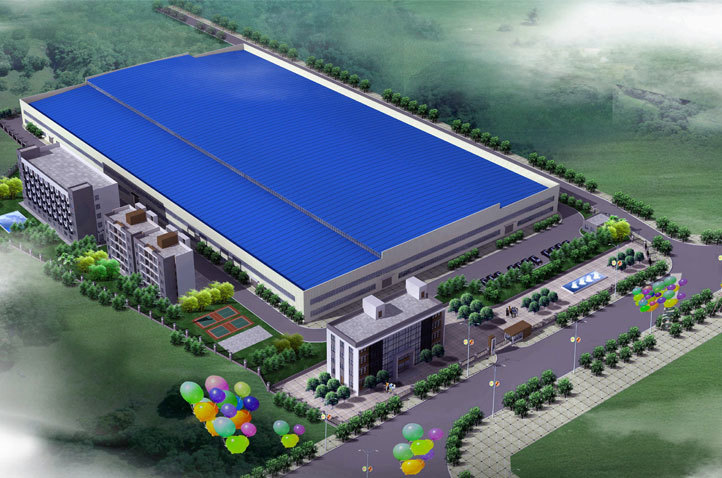
Procurement managers globally prefer Chinese glass factories for their unique blend of scale, technology, and cost-efficiency.
As a leading China Canopy Glass Factory, we leverage the world's most complete glass supply chain. From raw silica sand to advanced magnetron sputtering machines, our proximity to component suppliers allows us to offer competitive pricing without compromising on premium quality.
Our products are engineered for diverse environments:
Founded in 2010, Greensina Glass has grown steadily from a small processing workshop into a reliable supplier in the architectural glass industry. The company now employs more than 90 experienced staff members, including skilled technicians, engineers, and quality control specialists. Our production facility covers an area of approximately 7,000 square meters and is equipped with advanced glass processing equipment to ensure precise manufacturing and consistent product quality.
Over the years, Hangzhou Greensina Glass Co., Ltd. has expanded its market to serve customers both domestically and internationally. Our products are exported to Europe, North America, Southeast Asia, and the Middle East. By focusing on innovation, strict quality management, and customer-oriented service, the company is committed to delivering dependable glass solutions and establishing long-term partnerships with clients worldwide.
Thermal tempering process that increases strength by 4-5 times. If broken, it shatters into small, harmless granules.
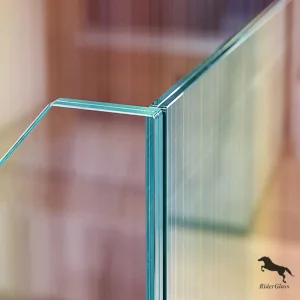
PVB, EVA, or SGP interlayers. Even if the glass breaks, the fragments adhere to the interlayer, preventing falls.
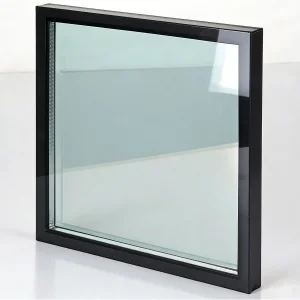
Dual or triple-glazed units filled with Argon gas to minimize heat transfer and maximize acoustic comfort.
 Greensina Glass