Premium performance-engineered glass products designed for high-humidity coastal climates, prestige projects, and luxury interiors in Equatorial Guinea.
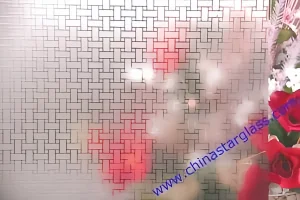
Equatorial Guinea, representing one of Central Africa's most rapidly transforming economies, has witnessed significant infrastructure growth over the past two decades. Driven by urban expansion initiatives in its capital, Malabo, located on Bioko Island, and its key mainland economic port, Bata, the demand for high-performance building materials has reached unprecedented levels. The development of Malabo II, along with government administration facilities, luxury resorts, and multinational oil and gas headquarters, requires structural and interior finishing products that satisfy rigorous technical and aesthetic parameters.
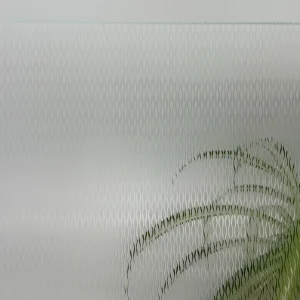
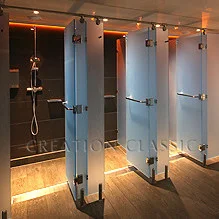
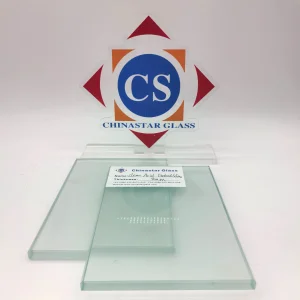
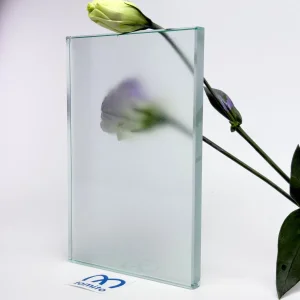
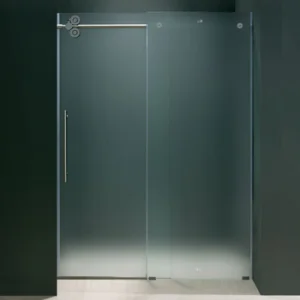
In hot, humid coastal climates, traditional wall treatments are susceptible to degradation, mold, and humidity damage. Consequently, architectural glass has emerged as a preferred medium for modern construction in the region. Acid-etched glass, in particular, offers an optimal combination of privacy, natural illumination, and structural durability. The satin finish disperses intense tropical sunlight, minimizing glare inside offices and hotels while optimizing daylight penetration to reduce artificial energy dependence.
Specifying glazing materials for Equatorial Guinea's coastal environment requires attention to critical atmospheric challenges. Malabo and Bata exhibit average relative humidity levels exceeding 85% throughout the year, coupled with elevated atmospheric salinity and direct, high-intensity UV exposure. Common frosted films degrade, peel, or yellow under these conditions, presenting significant maintenance and replacement costs.
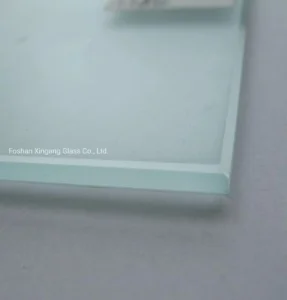
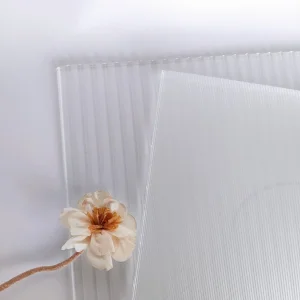
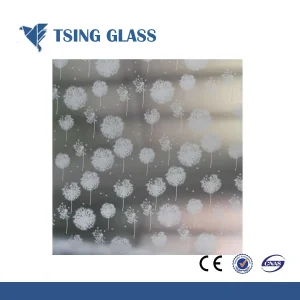
Chemically etched glass solves these environmental challenges. By processing the glass surface with hydrofluoric acid to selectively etch the silica, the substrate's structural integrity is preserved while creating a smooth, micro-textured translucent finish. This permanently altered glass surface is inert, highly resistant to staining, impervious to salt-spray corrosion, and simple to clean. In commercial structures, it maintains its finish throughout the lifecycle of the building, providing a reliable, low-maintenance option for corporate partitions, external curtain walls, and luxury hospitality interiors.
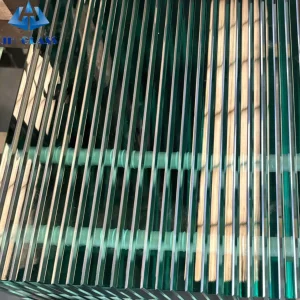
Hangzhou Greensina Glass Co., Ltd. is an established manufacturer of specialized architectural and decorative glass solutions. Operating from Hangzhou, China, Greensina Glass utilizes automated glass processing machinery, precise temperature-controlled chemical etching baths, and integrated quality control protocols to supply projects globally. Our 7,000-square-meter facility is optimized for high-volume production of customized tempered, laminated, insulated, and chemically etched glass configurations.
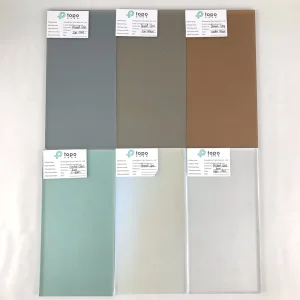
By using premium clear and low-iron float glass substrates, we ensure that our acid-etched glass retains high light transmittance while eliminating the green cast common in standard float glass. This yields a clean, satin-like finish suitable for luxury applications. Our production capability covers glass thicknesses ranging from 2mm to 19mm, with maximum processing sheets up to 2440mm * 3660mm, enabling us to support large-scale architectural projects across Central and West Africa.
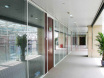
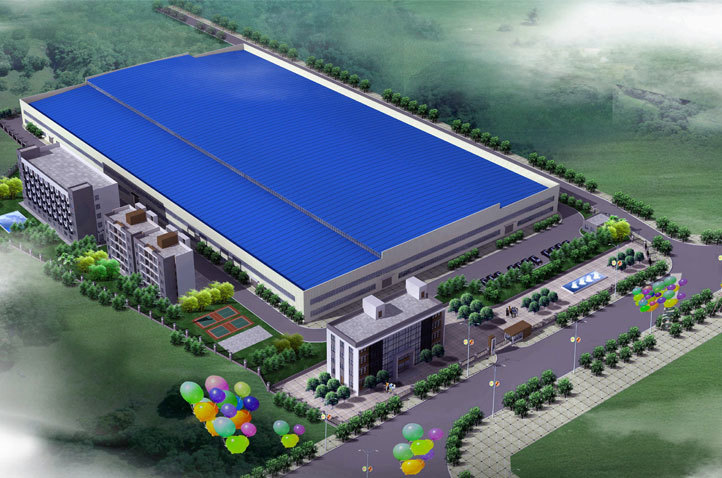
For infrastructure projects in Equatorial Guinea, balancing budget constraints with strict quality compliance is key to successful project delivery. China's glass manufacturing ecosystem, led by developers like Greensina Glass, offers distinct advantages:
Exploring how custom-engineered acid-etched glass meets the design and functional needs of regional building projects.
Explore our full line of acid-etched, tempered, and architectural glass options, available for shipment to Equatorial Guinea.
In contemporary commercial architecture, developers are focusing on elements that support building certifications such as LEED or BREEAM. Glass specifications play a major role in achieving these standards. Modern developments require high performance in three areas: light transmission, thermal energy blocking, and safety.
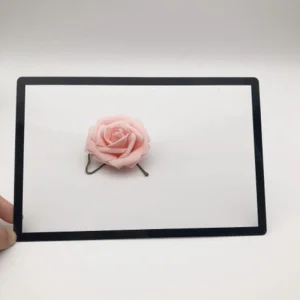
As corporate operations in Malabo become increasingly digital, boardroom environments require visual displays that remain legible under varying lighting conditions. Chemically etched glass with optimized gloss ratings (such as 110 +/-10) serves as an effective anti-glare cover for digital displays and interactive kiosks. The micro-etched surface scatters reflections without degrading screen resolution or touch responsiveness.
Large curtain walls in equatorial regions generate significant solar heat gain. Implementing acid-etched glass on exterior surfaces helps diffuse incoming solar radiation, reducing the cooling load on HVAC systems while maximizing natural indoor lighting. This daylight strategy supports lower operational costs and enhances the comfort of building occupants.
For large-scale infrastructure developments, procurement managers rely on manufacturers who can verify their processing capabilities and compliance. Hangzhou Greensina Glass Co., Ltd. provides detailed trace documentation, including material test certificates, tempering compliance reports, and load-bearing data. Working with an ISO-certified manufacturer minimizes supply chain risks for major construction projects in Central and West Africa.
Get in touch with our engineering team for custom configurations, technical specification matching, and direct factory container pricing.
Request Technical Consultation & QuoteKey technical queries resolved by our engineering experts for procurement managers in West Africa.
 Greensina Glass