Lesotho, widely known as the "Kingdom in the Sky," presents one of the most geographically unique architectural challenges globally. With its lowest point sitting at 1,400 meters above sea level and the entire nation characterized by mountainous terrain, construction projects in Maseru, Mafeteng, and Leribe demand building components that can withstand extreme altitude pressure variations, high solar radiation, and drastic diurnal temperature drops.
Historically reliant on imported single-pane configurations, Lesotho's commercial and residential construction sectors are undergoing a massive transition toward high-performance double glazing and Insulated Glass Units (IGUs). The Lesotho Highlands Water Project (LHWP) Phase II, coupled with urban development initiatives in Maseru, has accelerated the integration of energy-efficient structural glass. Architects and developers are prioritizing solutions that comply with the Southern African National Standard (SANS 10400-XA) for energy usage in buildings, requiring strict compliance with thermal transmittance (U-value) and Solar Heat Gain Coefficient (SHGC) limits.
“Sourcing architectural glass for the Lesotho highlands is not merely a transaction of square meters; it is a complex engineering challenge. Standard IGUs fabricated at sea level will fail, bow, or burst due to pressure differences unless equipped with dedicated altitude-compensating capillary valves.”
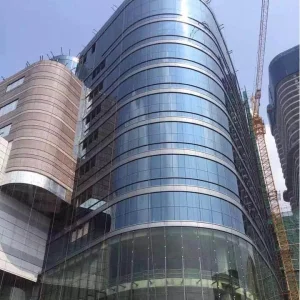
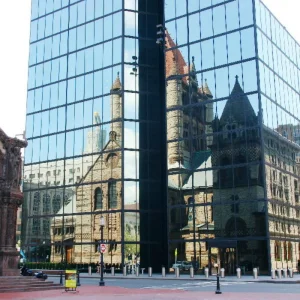
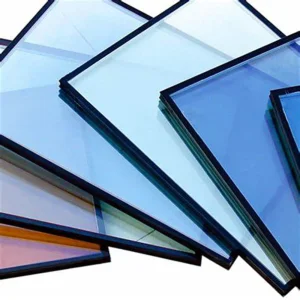
Modern architectural designs are progressively favoring floor-to-ceiling glass facades, requiring structural glass units to perform double duty: acting as both load-bearing structural elements and high-performance thermal barriers. Globally, the glass industry is leaning heavily into Triple-Silver Low-E coatings, Vacuum Insulated Glass (VIG), and argon-filled cavities to lower U-values below 1.1 W/m²K.
Furthermore, dynamic glazing technologies like electrochromic glass and structural silicon-glazed IGUs are gaining market share in high-exposure projects. These products help mitigate the greenhouse effect within high-rise commercial spaces while optimizing natural daylighting. For exporters aiming at landlocked high-altitude countries like Lesotho, the key differentiator lies in combining these global technological advancements with hyper-localized logistics and production engineering.
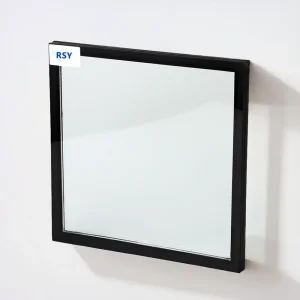
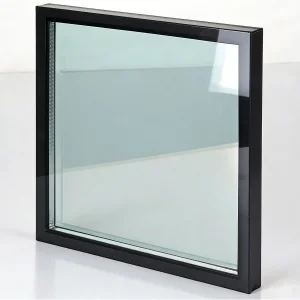
When an insulated glass unit is sealed at a low-altitude factory (such as Hangzhou, China, near sea level) and transported to the high altitudes of Lesotho, the atmospheric pressure changes drastically. The lower external air pressure at high altitudes causes the gas trapped within the sealed unit to expand, causing the glass panes to bow outwards. This phenomenon (convex distortion) results in severe optical distortion, stress on the primary and secondary seals, and eventually, seal failure or glass breakage.
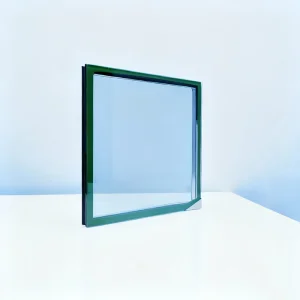
To circumvent this physical constraint, specialized exporters install capillary tubes or breather tubes. These are small stainless-steel tubes (typically 0.8mm to 1.0mm in diameter) inserted into the spacer of the IGU, allowing air pressure to equalize between the inside of the unit and the external atmosphere during transportation and installation. Once the glass has reached its final destination in Lesotho, these tubes are sealed at the job site to lock in the thermal properties of the unit and prevent moisture ingress.
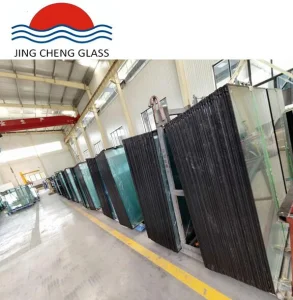
Operating as a specialized manufacturer, Hangzhou Greensina Glass Co., Ltd. leverages a highly automated Factory 4.0 infrastructure in Hangzhou, China. Our facilities utilize computerized Lisec glass cutting and Bystronic automated IGU production lines. This level of automation guarantees that structural seals (whether Dow Corning structural sealant or dual-seal butyl) are applied with micron-level precision, critical for longevity in intense high-exposure mountain climates.
For global logistics to landlocked destinations like Lesotho, supply chain resilience is paramount. Greensina Glass oversees a secure transit network starting from Hangzhou, routing through the port of Ningbo or Shanghai, shipping via ocean freight to the port of Durban, South Africa, and finally utilizing secure overland container transit through South Africa into Lesotho (Maseru/Maputsoe). Every shipment is protected by heavy-duty customized A-frame wooden crates with integrated shock absorbers and desiccants to eliminate maritime moisture damage.
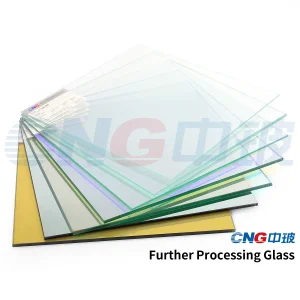
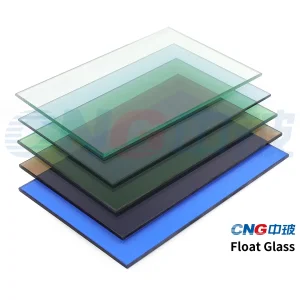
Hangzhou Greensina Glass Co., Ltd. is a professional manufacturer specializing in architectural and decorative glass solutions. Located in Hangzhou, China, the company focuses on providing high-quality glass products widely used in residential buildings, commercial spaces, offices, and interior design projects. Our main product range includes tempered glass, laminated glass, insulated glass, frosted glass, and tinted glass, all designed to meet modern requirements for safety, energy efficiency, and aesthetic appeal.
Founded in 2010, Greensina Glass has grown steadily from a small processing workshop into a reliable supplier in the architectural glass industry. The company now employs more than 90 experienced staff members, including skilled technicians, engineers, and quality control specialists. Our production facility covers an area of approximately 7,000 square meters and is equipped with advanced glass processing equipment to ensure precise manufacturing and consistent product quality.
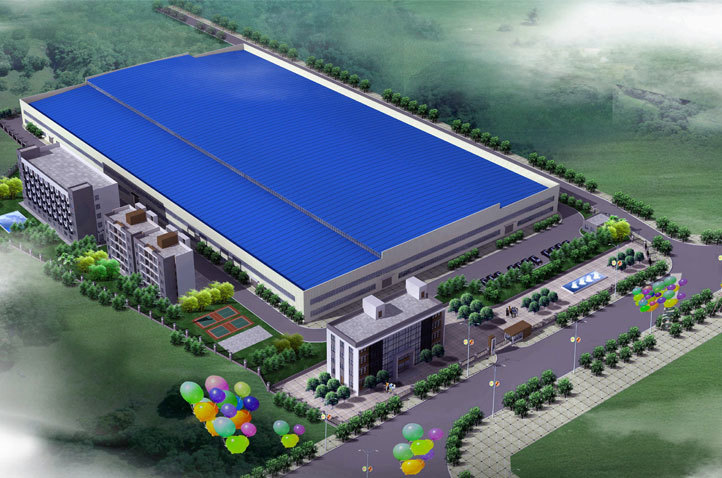
Over the years, Hangzhou Greensina Glass Co., Ltd. has expanded its market to serve customers both domestically and internationally. Our products are exported to Europe, North America, Southeast Asia, and the Middle East. By focusing on innovation, strict quality management, and customer-oriented service, the company is committed to delivering dependable glass solutions and establishing long-term partnerships with clients worldwide.
Our global operations are optimized to handle cross-border trade seamlessly, providing custom processing including edge polishing, drilling, safety laminating, and argon gas injection for specialized climates. Whether serving projects in coastal regions or high-altitude interior regions like Lesotho, our engineering teams ensure that the glass delivered matches the local mechanical and thermal demands.
 Greensina Glass