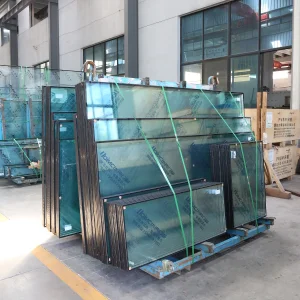
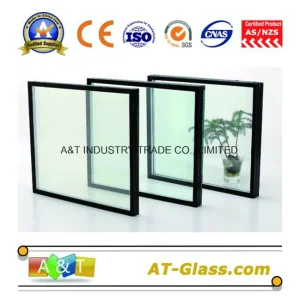
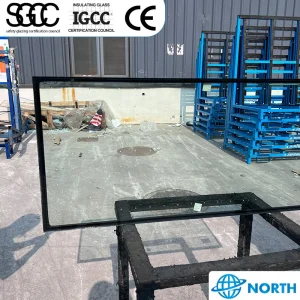
As the Netherlands accelerates its transition toward a carbon-neutral built environment, the demand for high-performance Low-E (Low Emissivity) glass has reached unprecedented levels. From the iconic canal houses of Amsterdam requiring delicate retrofitting to the soaring glass facades of Rotterdam’s business districts, Low-E glass is the cornerstone of modern Dutch energy strategy. As a premier Low-E Glass Supplier & Exporter, we specialize in bridging the gap between advanced manufacturing and the rigorous efficiency standards of the Dutch market.
The Netherlands is a global leader in sustainable construction, driven by the BENG (Bijna Energieneutrale Gebouwen) standards. These regulations mandate that all new buildings must be nearly energy-neutral. For architects and developers in Eindhoven, Utrecht, and beyond, this means Low-E glass is no longer an optional upgrade—it is a regulatory necessity. Our glass solutions provide the thermal insulation required to maintain interior warmth during the damp Dutch winters while reflecting solar heat during the increasingly warm summers.
Optimized for the U-values required by Dutch building codes, reducing heating costs by up to 30%.
High transparency combined with neutral coatings to preserve the natural light of the Netherlands.
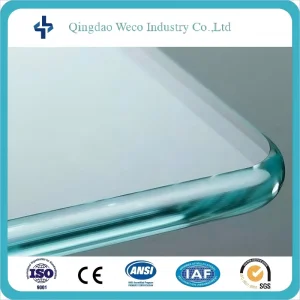
Fully compliant with CE and NEN standards for impact resistance and structural integrity.
The Dutch climate presents unique challenges. With high humidity, coastal winds, and a high demand for natural light despite frequent overcast skies, the glazing must perform multiple roles. Low-E glass features a microscopically thin coating of silver or other low-emissivity materials that reflect long-wave infrared energy (heat) while allowing short-wave visible light to pass through.
In the Netherlands, "Zonwerend" (solar control) glass is particularly popular in commercial "Zuidas" developments. Our double-silver and triple-silver Low-E coatings are engineered to provide a low Solar Heat Gain Coefficient (SHGC) while maintaining a high Light Transmittance (LT). This balance is critical for Dutch offices where employee well-being is tied to daylight exposure, but cooling costs must be kept in check.
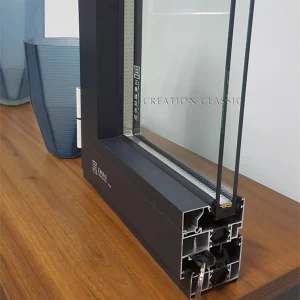
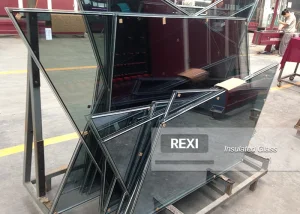
1. Amsterdam Heritage Preservation: Retrofitting historic canal houses requires ultra-thin insulated glass units (IGU) with Low-E coatings that can fit into original wooden frames while meeting modern thermal benchmarks.
2. Greenhouse Innovation in Westland: The Dutch horticultural sector is the world's most advanced. Specialized Low-E glass is used to create controlled environments that maximize crop yields while minimizing energy consumption for heating.
3. Residential "Nul-op-de-Meter" (Zero-on-the-Meter) Homes: New housing developments in Almere and Vinex-locations rely on triple-glazed Low-E units to achieve net-zero energy status, focusing on air-tightness and thermal bridges.
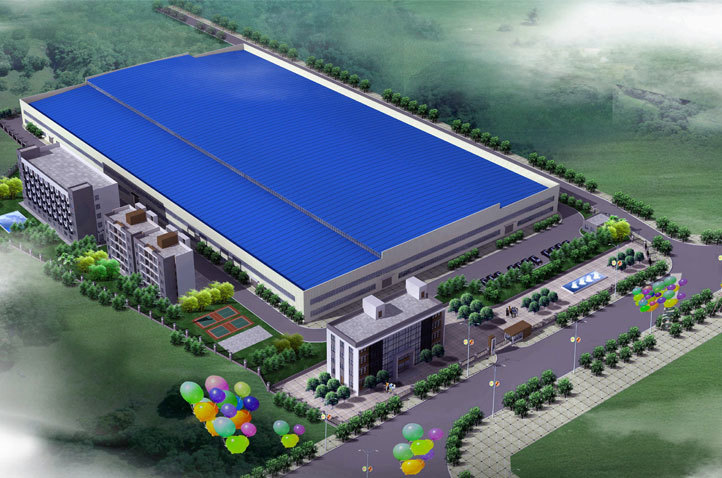
Hangzhou Greensina Glass Co., Ltd. is a professional manufacturer specializing in architectural and decorative glass solutions. Located in Hangzhou, China, the company focuses on providing high-quality glass products widely used in residential buildings, commercial spaces, offices, and interior design projects.
Our main product range includes tempered glass, laminated glass, insulated glass, frosted glass, and tinted glass, all designed to meet modern requirements for safety, energy efficiency, and aesthetic appeal. Founded in 2010, Greensina Glass has grown steadily from a small processing workshop into a reliable supplier in the architectural glass industry. The company now employs more than 90 experienced staff members, including skilled technicians, engineers, and quality control specialists.
Our production facility covers an area of approximately 7,000 square meters and is equipped with advanced glass processing equipment to ensure precise manufacturing and consistent product quality. Over the years, Hangzhou Greensina Glass Co., Ltd. has expanded its market to serve customers both domestically and internationally. Our products are exported to Europe, North America, Southeast Asia, and the Middle East.
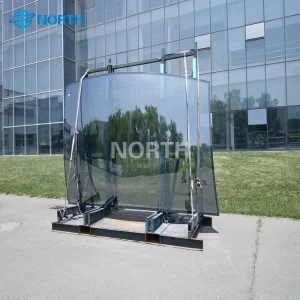
The "Circular Economy" is the newest trend in the Dutch glass industry. There is an increasing push for glass that is not only energy-efficient but also recyclable. We are investing in R&D to provide Low-E glass solutions that use thinner, stronger tempered glass to reduce material weight, lowering the carbon footprint during transport to the Port of Rotterdam.
Furthermore, "Smart Glass" or electrochromic Low-E glass is gaining traction in high-end Dutch architecture. This allows the glass to tint automatically based on sunlight intensity, further reducing the need for mechanical cooling. By focusing on innovation, strict quality management, and customer-oriented service, we are committed to delivering dependable glass solutions and establishing long-term partnerships with clients across the Netherlands.
Exporting to the Netherlands requires more than just high-quality glass; it requires logistical excellence and compliance. We provide full documentation for Dutch customs, including CE declarations of performance. Our packaging is designed to withstand sea freight, ensuring that every crate of Low-E glass arrives at your site in Tilburg, Groningen, or The Hague in perfect condition.
 Greensina Glass