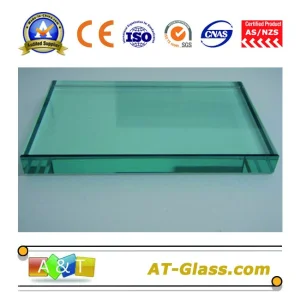
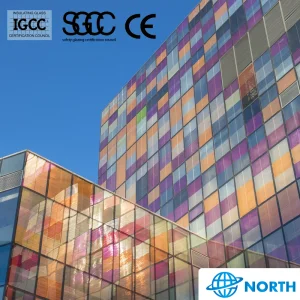
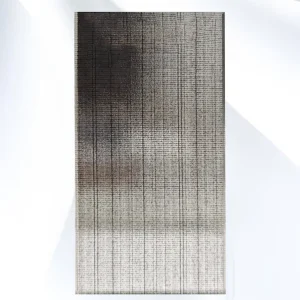
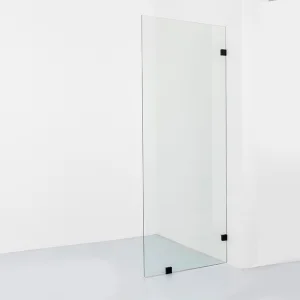
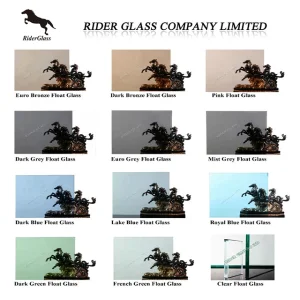
Primary architectural glass selections configured for immediate delivery to Mozambique’s structural distribution channels
Mozambique is undergoing a major urban transformation. Driven by heavy investments in the energy sector, port expansion, and residential construction, cities like Maputo, Matola, Beira, and Nacala are expanding rapidly. This rapid growth demands advanced building materials that can withstand local environmental challenges.
Given Mozambique’s long coastline, structures are exposed to high humidity, saline environments, and intense solar radiation. Standard annealed glass is no longer sufficient for modern commercial facades, high-rise residential complexes, and public infrastructure. Architectural specifications now require high-strength tempered and laminated glass to meet strict safety and structural standards.
Furthermore, regions in central and northern Mozambique frequently experience tropical storms and cyclones. This requires high-durability safety glass, such as SGP and PVB laminated configurations, to ensure building envelopes remain secure against high wind loads and flying debris during extreme weather events.
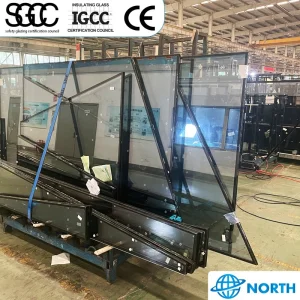
Globally, the architectural glass sector is shifting toward energy-efficient, low-carbon, and highly secure glass products. Modern building designs emphasize minimizing artificial cooling loads, especially in warm climates like Sub-Saharan Africa. Double-glazing units (IGUs) incorporating low-emissivity (Low-E) coatings and reflective control panels are essential for modern green building certificates.
As a dedicated exporter to the African market, Hangzhou Greensina Glass Co., Ltd. integrates these global trends with regional needs. Our processing techniques ensure that the tempered and laminated glass shipped to Mozambique meets international quality certifications, including CE (Europe), SGCC (North America), and AS/NZS (Oceania), providing durable solutions for projects in the region.
In accordance with international building regulations, high-occupancy commercial zones and balustrades in Mozambique should utilize heat-soaked tempered glass or laminated safety glass to prevent risks associated with spontaneous nickel sulfide (NiS) inclusions.
Understanding the local environment is critical for selecting the right architectural glass. Below are the key applications for our processed glass products across Mozambique:
| Mozambique Project Region | Typical Applications | Recommended Glass Specification | Primary Technical Driver |
|---|---|---|---|
| Maputo Metro (Commercial Centers) | Curtain walls, office partitions, storefronts, and canopy glazing. | Low-E Tempered Laminated Glass (6mm + 12Ar + 6mm) | Thermal insulation, solar heat reduction, and acoustic isolation. |
| Beira & Nacala Ports (Coastal Areas) | Control towers, port offices, and oceanfront residential buildings. | SGP Toughened Laminated Safety Glass (8mm + 1.52SGP + 8mm) | Resistance to wind loads and saline corrosion. |
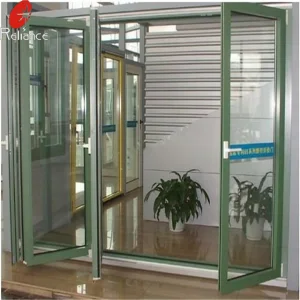
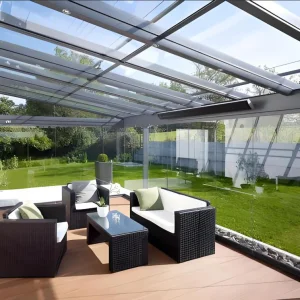
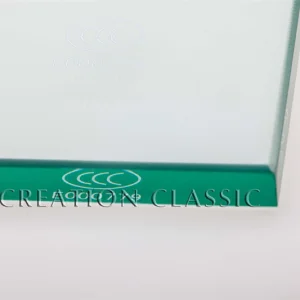
| Inhambane & Vilankulos (Resorts) | Frameless glass balustrades, pool enclosures, and glass doors. | 10mm/12mm Ultra Clear Toughened Glass | High transparency, UV stability, and safety. |
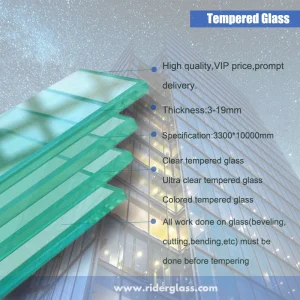
| Tete & Northern Provinces (Industrial Areas) | Factory administration control rooms and heavy equipment glazing. | High-Strength Monolithic Tempered Glass (12mm-19mm) | Impact resistance and durability in demanding environments. |
Founded in 2010, Hangzhou Greensina Glass Co., Ltd. is a professional manufacturer specializing in architectural and decorative glass solutions. Located in Hangzhou, China, our company focuses on providing high-quality glass products widely used in residential buildings, commercial spaces, offices, and interior design projects.
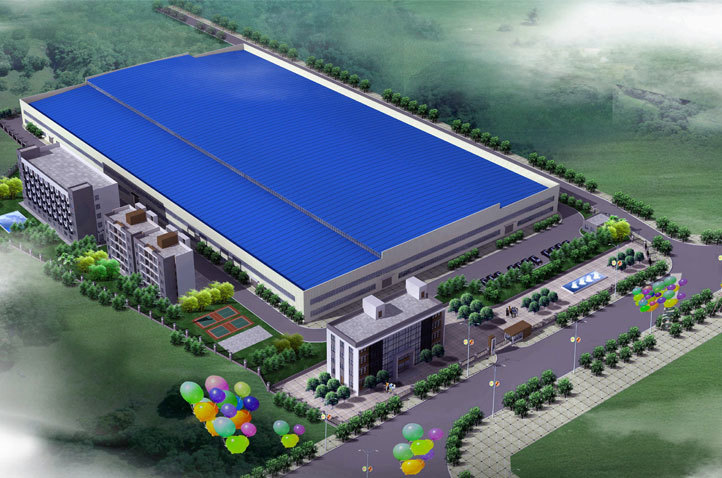
Our modern production facility covers approximately 7,000 square meters and is equipped with advanced glass processing machinery to ensure precise manufacturing and consistent product quality. Our team includes more than 90 experienced staff members, including skilled technicians, engineers, and quality control specialists.
Over the years, Greensina Glass has expanded its markets to serve customers both domestically and internationally. Our products are exported to Europe, North America, Southeast Asia, the Middle East, and rapidly growing markets in Africa, including Mozambique. By focusing on innovation, strict quality management, and customer-oriented service, we are committed to delivering dependable glass solutions and establishing long-term partnerships with clients worldwide.
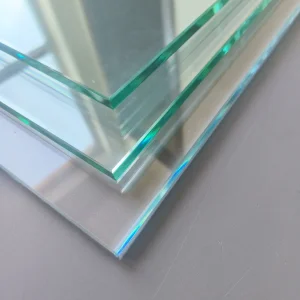
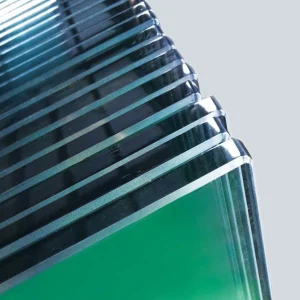
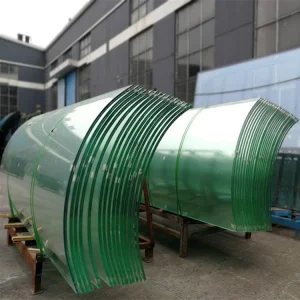
Toughened, Laminated, Low-E, and decorative glass custom-cut for project-specific installations in Mozambique
To address changing global regulations and challenging local climates, Hangzhou Greensina Glass Co., Ltd. continuously refines its processing technology:
These engineering processes are critical for the Mozambican market, where high ambient heat can create substantial thermal differences across glass panes, increasing the risk of thermal fractures in standard-grade float glass.
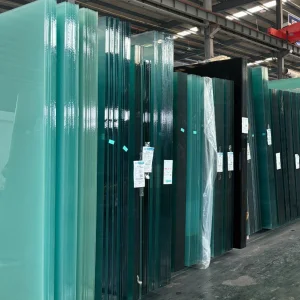
Shipping heavy glass panels internationally requires secure packaging and reliable logistics. Hangzhou Greensina Glass Co., Ltd. utilizes robust packaging solutions to ensure products arrive safely:
- Seaworthy Wooden Crates: Reinforced plywood crates are structured to prevent movement during transport.
- Interleaved Paper/Powder: Specialty moisture-absorbing powder or paper is placed between each pane to prevent surface corrosion in humid climates.
- FCL/LCL Direct Shipping: Standard container shipments are routed through Maputo, Beira, or Nacala ports, managed by reliable freight carriers to ensure timely customs clearance.
We handle all international trade documentation, including Bill of Lading, Certificate of Origin, Packing Lists, Commercial Invoices, and product certifications to ensure a smooth import process into Mozambique.
Technical answers regarding performance metrics, safety, and supply logistics for structural engineers and project developers in Mozambique.
 Greensina Glass