Strategic insights into the commercial and industrial landscape of high-performance tinted glazing.
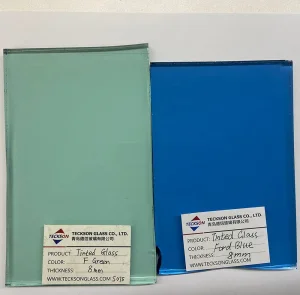
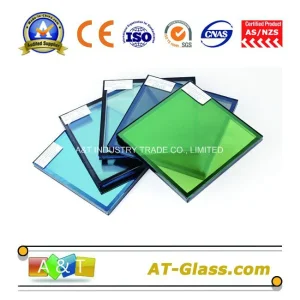
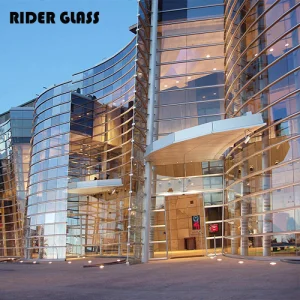
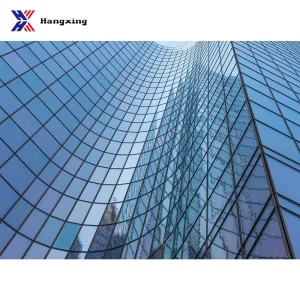
In the current global architectural climate, Blue Tinted Glass has transitioned from a mere aesthetic choice to a critical component of Energy-Efficient Building Design. As international building codes (such as ASHRAE and Title 24) become more stringent regarding the Solar Heat Gain Coefficient (SHGC), tinted glass provides a cost-effective method to reduce cooling loads without sacrificing natural light. The "Ford Blue" or "Ocean Blue" palettes are now ubiquitous in modern CBD skyscrapers across Dubai, Singapore, and New York, serving as a first line of defense against thermal radiation.
Blue tints absorb a significant portion of the solar infrared spectrum, reducing heat transfer into buildings by up to 35% compared to standard clear glass.
By optimizing Visible Light Transmittance (VLT), blue glass enhances occupant comfort by mitigating harsh sunlight glare in office environments.
Advanced tinting formulations block up to 99% of harmful UV rays, protecting interior furniture and upholstery from fading.
Combining decade-long expertise with cutting-edge manufacturing technology.
Hangzhou Greensina Glass Co., Ltd. is a professional manufacturer specializing in architectural and decorative glass solutions. Located in Hangzhou, China, the company focuses on providing high-quality glass products widely used in residential buildings, commercial spaces, offices, and interior design projects. Our main product range includes tempered glass, laminated glass, insulated glass, frosted glass, and tinted glass, all designed to meet modern requirements for safety, energy efficiency, and aesthetic appeal.
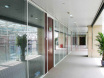
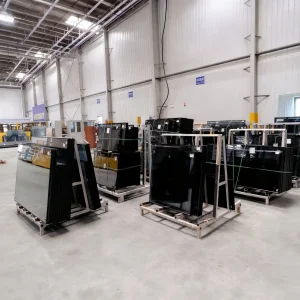
Founded in 2010, Greensina Glass has grown steadily from a small processing workshop into a reliable supplier in the architectural glass industry. The company now employs more than 90 experienced staff members, including skilled technicians, engineers, and quality control specialists. Our production facility covers an area of approximately 7,000 square meters and is equipped with advanced glass processing equipment to ensure precise manufacturing and consistent product quality.
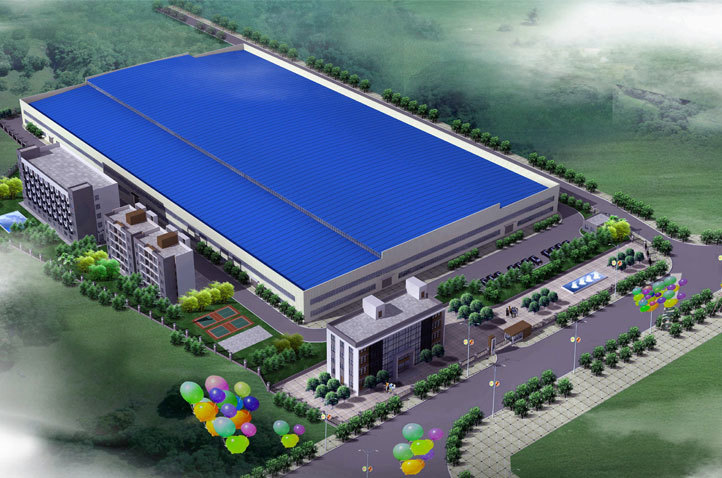
Over the years, Hangzhou Greensina Glass Co., Ltd. has expanded its market to serve customers both domestically and internationally. Our products are exported to Europe, North America, Southeast Asia, and the Middle East. By focusing on innovation, strict quality management, and customer-oriented service, the company is committed to delivering dependable glass solutions and establishing long-term partnerships with clients worldwide.
Understanding the competitive edge of Hangzhou's industrial cluster.
China's glass industry is no longer just about mass production; it is about Vertical Integration. From raw silica sourcing to advanced magnetron sputtering for Low-E coatings, our facility in Hangzhou leverages a localized supply chain that reduces lead times by 40% compared to Western manufacturers. This allows Greensina Glass to offer "just-in-time" delivery for massive commercial projects.
Our blue tinted float glass is manufactured using the latest PPG-technology based furnaces, ensuring a perfectly uniform color distribution without the "banding" effect seen in lower-quality alternatives. We adhere to CE, SGCC, and AS/NZS standards, ensuring that every sheet of glass meets the rigorous safety requirements of North America and Australia.
Through high-scale automation and precision cutting, we minimize material waste. This efficiency is passed directly to the global procurer, allowing architects to specify premium tinted solutions within standard project budgets.
Versatility across residential, commercial, and industrial sectors.
Utilized in Unitized Curtain Walls for skyscrapers to create a cohesive "blue crystal" aesthetic while managing heat.
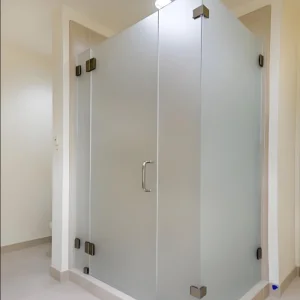
Enhancing privacy for high-end villas; the blue tint provides a one-way mirror effect during daylight hours.
Used in office spaces (Space Division Glass) to provide a cool, professional ambiance while maintaining an open feel.
Specialized thicknesses for marine windows, offering salt-spray resistance and excellent visibility in high-glare sea environments.
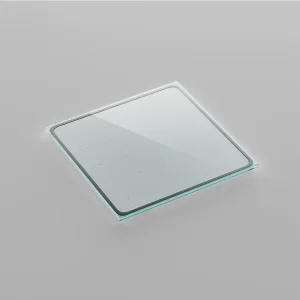
Tempered blue glass for table tops and cabinetry, adding a touch of contemporary luxury to interior decor.
We provide bespoke CNC cutting, edge polishing, and hole drilling for specific architectural requirements.
The integration of ions that respond to light intensity. Future blue glass will dynamically adjust its tint level based on the sun's position, maximizing energy savings.
Combining blue tinting with Vacuum Insulated Glass (VIG) technology. This achieves R-values comparable to solid walls while remaining transparent.
Increasing the percentage of "cullet" (recycled glass) in the melt without compromising the purity of the blue pigment, catering to green building certifications like LEED v4.
Key considerations for B2B buyers, distributors, and construction firms.
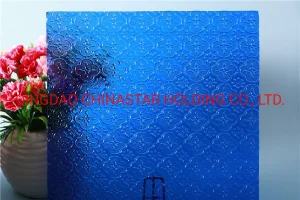
Ensure you specify the exact shade (Ford Blue, Dark Blue, Lake Blue) and thickness (3mm to 19mm). Requesting spectral data sheets (VLT, SHGC, U-Value) is essential for project compliance.
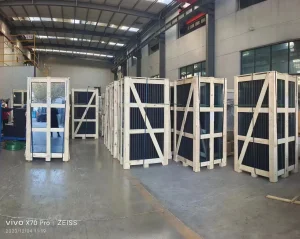
Blue tinted glass is sensitive to surface scratches. At Greensina, we use end-cap plywood crates with moisture-proof paper interleaving to ensure zero-defect arrival at your port.
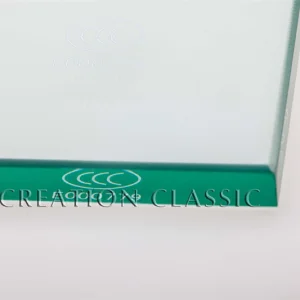
Always verify the manufacturer's testing reports for fragmentation (tempering quality) and PVB adhesion (laminating quality) to ensure long-term structural integrity.
 Greensina Glass