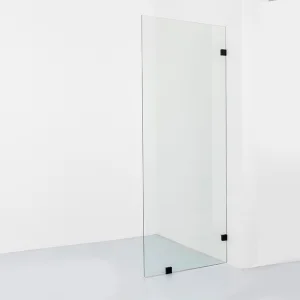
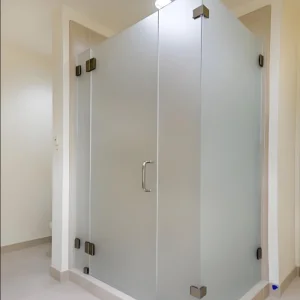
Explore our state-of-the-art flat, tempered, laminated, and curved architectural glass configurations customized for global projects.
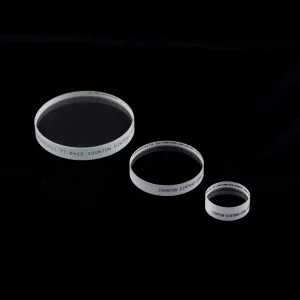
Enabling next-generation architectural facades and industrial infrastructure with structural stability and aerodynamic curves.
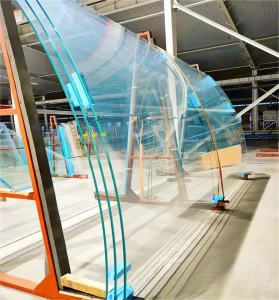
Modern structural designs demand organic curves that integrate building envelopes with high load capacities. Our cylindrical curved glass minimizes structural frame profiles while sustaining extreme wind shear and thermal stresses across high-rise developments.
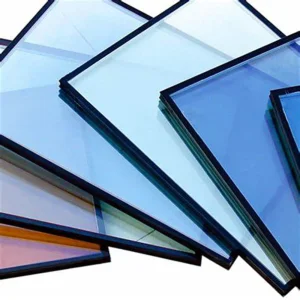
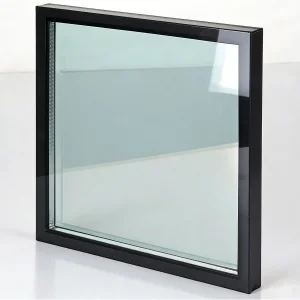
Our double and triple-glazed insulated units, combined with custom soft Low-E coatings, offer energy performance profiles that align with LEED, BREEAM, and international green building standards, reducing carbon footprints while maximizing panoramic glass surfaces.
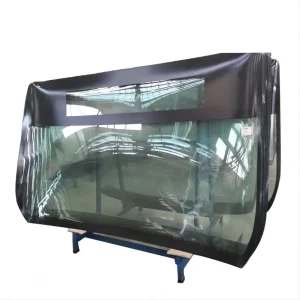
Specialized laminated curved panels designed for commercial and transport industries, including transit-grade bus windshields, prioritize impact absorption and zero-optical-distortion profiles to ensure safety and long-term durability on public highways.
The demand for complex architectural profiles has driven a shift from traditional linear buildings to fluid, curved, and complex facades. As structural engineers seek materials with optimized mechanical capabilities, cylindrical curved glass has evolved from a luxury option into a structural necessity.
Processing advanced curved surfaces requires a balance of thermal tempering dynamics and mechanical bending tolerances. Whether utilizing sag-bending gravity techniques or active horizontal tempering lines, maintaining a distortion-free visual light path is essential. Today's global developments leverage SentryGlas® (SGP) and Polyvinyl Butyral (PVB) laminations to maintain safety structural integrity even in the event of accidental fracture.
| Available Thickness Range | 3 mm to 19 mm (Single Glazed) |
| Minimum Bending Radius | R = 450 mm (Depending on thickness) |
| Maximum Arc Dimensions | 3660 mm × 2440 mm (Custom sizes available) |
| Interlayer Configurations | PVB, SGP (SentryGlas), EVA, Acoustic PVB |
| Quality Certifications | SGCC, IGCC, CE EN12150, AS/NZS 2208 |
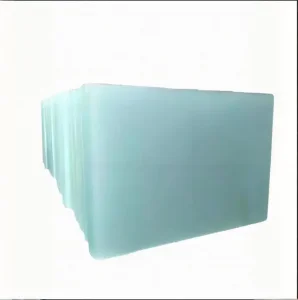
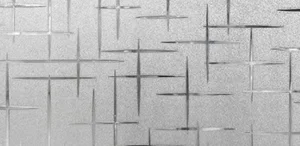
Hangzhou Greensina Glass Co., Ltd. is a professional manufacturer specializing in architectural and decorative glass solutions. Located in Hangzhou, China, the company focuses on providing high-quality glass products widely used in residential buildings, commercial spaces, offices, and interior design projects. Our main product range includes tempered glass, laminated glass, insulated glass, frosted glass, and tinted glass, all designed to meet modern requirements for safety, energy efficiency, and aesthetic appeal.
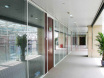
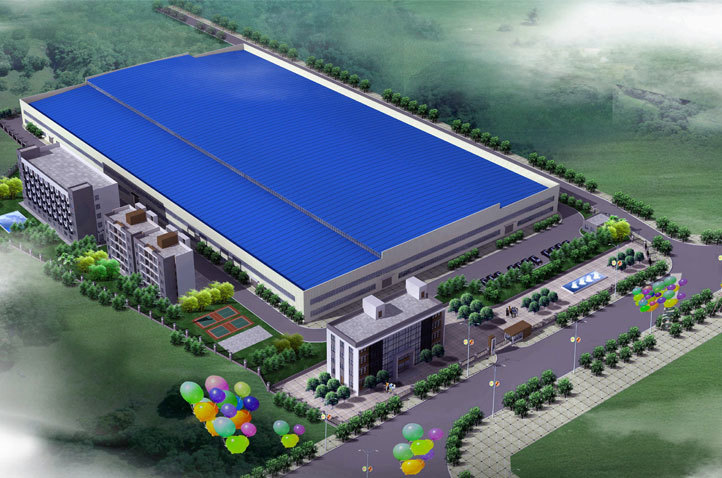
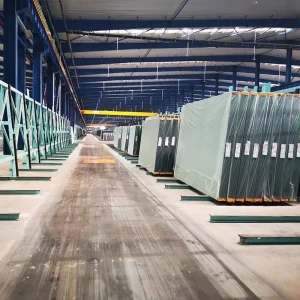
Founded in 2010, Greensina Glass has grown steadily from a small processing workshop into a reliable supplier in the architectural glass industry. The company now employs more than 90 experienced staff members, including skilled technicians, engineers, and quality control specialists. Our production facility covers an area of approximately 7,000 square meters and is equipped with advanced glass processing equipment to ensure precise manufacturing and consistent product quality.
Over the years, Hangzhou Greensina Glass Co., Ltd. has expanded its market to serve customers both domestically and internationally. Our products are exported to Europe, North America, Southeast Asia, and the Middle East. By focusing on innovation, strict quality management, and customer-oriented service, the company is committed to delivering dependable glass solutions and establishing long-term partnerships with clients worldwide.
Ensuring structural integrity and regulatory adherence across every destination.
All products are manufactured under rigorous QA/QC processes, ensuring certification compliant with US SGCC/IGCC, European CE EN12150 & EN14449, and Australian AS/NZS 2208 criteria, providing ease of installation and structural inspection approvals locally.
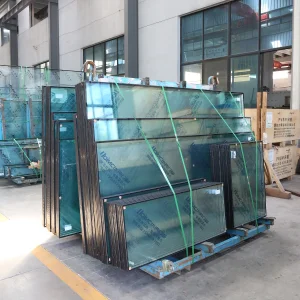
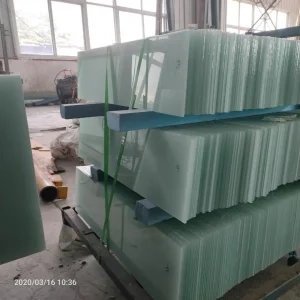
Overseas transport of curved safety glass requires customized shock-absorbent wooden packaging systems. We design reinforced closed A-frame crates with integrated desiccant packs to prevent moisture fogging and glass surface abrasion during long voyages.
Our structural engineering support includes finite element analysis (FEA) to confirm wind load deformation limits, radius calculations, and structural sealant compatibility reports before manufacturing begins.
Exploring the integration of advanced materials and smart glass coatings with cylindrical curved geometry.
Laminating Liquid Crystal (PDLC) switchable privacy film within curved configurations. This allows commercial office spaces and high-end residential projects to switch transparency instantly, balancing privacy requirements with natural illumination.
The development of curved VIG modules presents a solution for building envelopes. By removing air between two curved panes, thermal transfer is reduced to levels matching solid walls, supporting zero-emission structural designs.
Using magnetron sputtering technology to deposit nanometer-scale metal oxides, reducing outer surface reflectance to below 1% and improving transparency for displays, retail windows, and observation zones.
Frequently asked questions concerning design limits, tolerances, optical clarity, and processing procedures.
The minimum bending radius is dependent on the thickness of the glass substrate. For example, thin glass substrates (5mm to 6mm) can achieve a radius as tight as 450mm. For thicker structural configurations (12mm to 19mm), the minimum radius typically increases to 1000mm or more to prevent thermal stresses and mechanical optical distortion during the cooling process.
Laminating curved glass with PVB or high-performance SGP interlayers links multiple glass sheets together. If a fracture occurs, the interlayer holds the fragments in place, preventing structural collapse. SGP interlayers provide up to 5 times the tear strength and 100 times the stiffness of standard PVB, making it suitable for hurricane-prone areas and load-bearing partitions.
Yes. Standard practice involves applying a post-temperable soft coat Low-E layer to the glass prior to bending. Processing must be performed in specialized convection-heated bending chambers to protect the coating and ensure uniform heat distribution, preventing hot spots or oxidation of the silver layer.
We utilize high-resolution inline scanning systems (such as LiteSentry technology) to monitor temperature profiles and surface strain. Distortions are minimized by ensuring smooth transitions through bending and quenching zones, regulating cooler air pressure, and keeping roller speed variances within strict tolerance values.
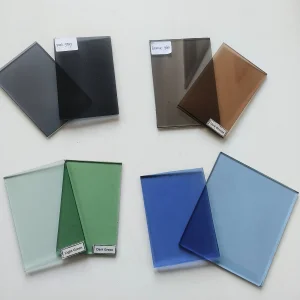
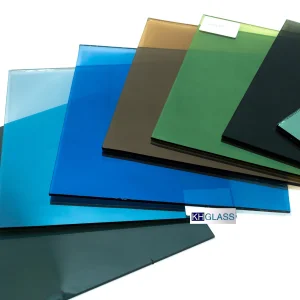
For exterior surfaces demanding solar heat gain coefficient (SHGC) reduction, we offer body-tinted glass (blue, gray, bronze, and green) alongside pyrolytic and vacuum reflective coatings. These coatings reduce thermal energy transmission while adding a mirror-like or matte aesthetic finish to modern facades.
Engineered glass solutions designed for high mechanical resilience, visibility, and thermal performance.
 Greensina Glass