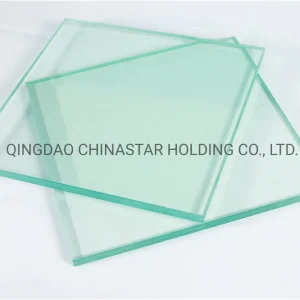
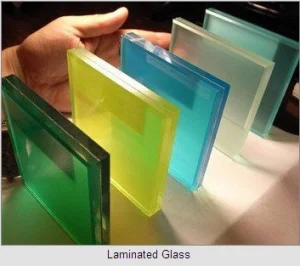
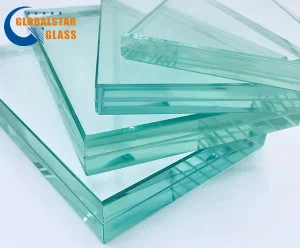
Discover our primary selection of certified laminated configurations engineered to withstand high wind loads and secure modern developments in the DRC.
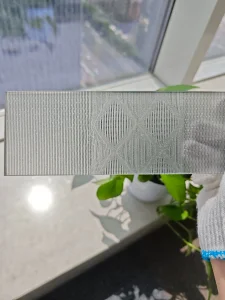
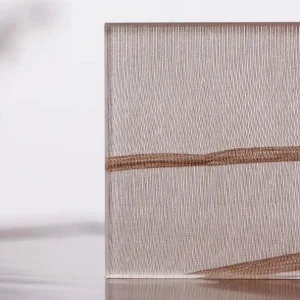
An in-depth structural review of building glass performance, localized security needs, and regulatory requirements in Central Africa's fastest-growing construction sectors.
Formulated to resist moisture intrusion and high UV exposure, preventing cloudiness and edge delamination in humid, sub-Saharan environments.
Heavy PVB layers ensure that even if the glass fractures, the shards adhere to the interlayer, delaying entry and protecting critical spaces.
Perfect for dense commercial centers in Kinshasa, our glass dampens external city and transport noise significantly.
From structural glass balustrades to advanced sound-proofing and energy control windows, explore our custom processing options.
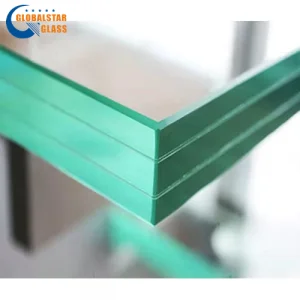
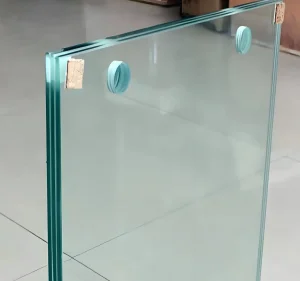
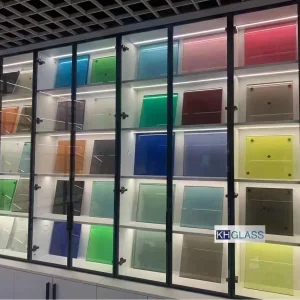
Bridging high-end Chinese manufacturing with the growing infrastructure requirements of the Democratic Republic of Congo.
Hangzhou Greensina Glass Co., Ltd. is a professional manufacturer specializing in architectural and decorative glass solutions. Located in Hangzhou, China, the company focuses on providing high-quality glass products widely used in residential buildings, commercial spaces, offices, and interior design projects. Our main product range includes tempered glass, laminated glass, insulated glass, frosted glass, and tinted glass, all designed to meet modern requirements for safety, energy efficiency, and aesthetic appeal.
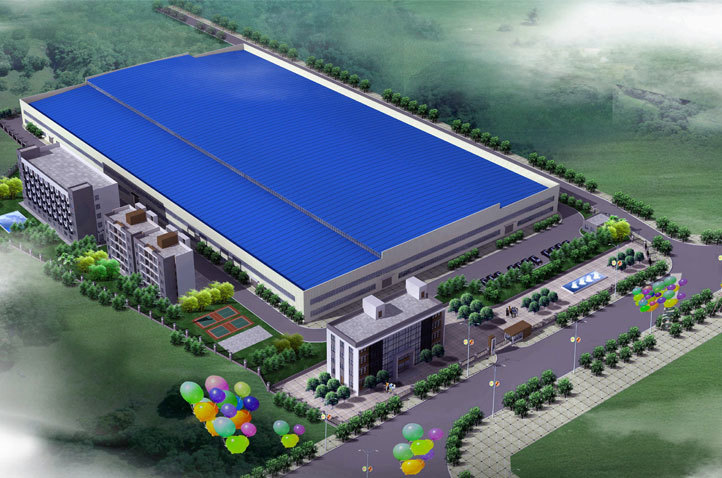
Founded in 2010, Greensina Glass has grown steadily from a small processing workshop into a reliable supplier in the architectural glass industry. The company now employs more than 90 experienced staff members, including skilled technicians, engineers, and quality control specialists. Our production facility covers an area of approximately 7,000 square meters and is equipped with advanced glass processing equipment to ensure precise manufacturing and consistent product quality.
Over the years, Hangzhou Greensina Glass Co., Ltd. has expanded its market to serve customers both domestically and internationally. Our products are exported to Europe, North America, Southeast Asia, and the Middle East. By focusing on innovation, strict quality management, and customer-oriented service, the company is committed to delivering dependable glass solutions and establishing long-term partnerships with clients worldwide.
Navigating international standards and freight logistics for heavy architectural glass delivery to central African ports.
To ensure zero defect rates upon delivery at the port of Matadi or dry ports in Lubumbashi, Greensina Glass implements a multi-stage Quality Assurance protocol. Every batch of laminated glass undergoes standard testing, including the Boil Test (for adhesion durability), Impact Drop Test (compliance with EN 12600 and ANSI Z97.1), and Pummel Test (measuring PVB-to-glass mechanical grip). By maintaining strict temperature and humidity controls in our laminating cleanrooms, we eliminate airborne dust that causes micro-bubbles and future delamination under intense tropical solar heat.
Additionally, we supply custom structural reports, SGP performance data sheets, and official certificates required for DRC importation processes (such as FERI / ECTN documentation and SGS quality validations).
Transporting architectural glass to the DRC requires resilient, shock-absorbing packaging to withstand long ocean transits and overland haulage. Our solutions include:
Defining structural specs, thicknesses, acoustic needs, and sizing requirements.
Automated CNC cutting, drilling, and edge polishing to ensure perfect tolerances.
Cleanroom PVB assembly followed by high-pressure autoclave curing for absolute clarity.
Secured crating, container loading, and shipment coordination to DRC ports.
Explore our wholesale catalog of clear, colored, tempered, and auto-grade laminated solutions, shipped directly from our ISO-certified facilities in China.
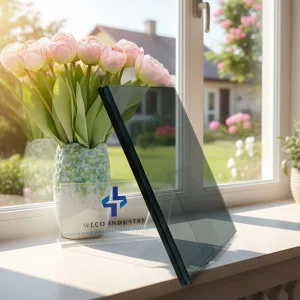
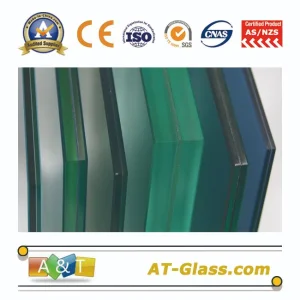
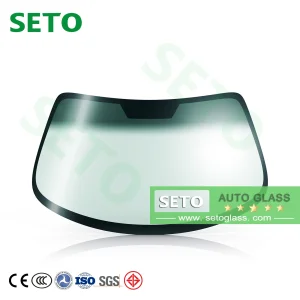
Get immediate answers to the most common questions regarding import, customization, standards, and shipping procedures for laminated safety glass to the Democratic Republic of Congo.
Production typically takes 15 to 25 days depending on the customization (e.g., specific drill holes, tinting, or high-performance SGP interlayers). Ocean transit from Ningbo or Shanghai Port to the Port of Matadi averages 35 to 45 days. For project sites in Eastern DRC (Goma, Bukavu) or Southern DRC (Lubumbashi), we arrange multi-modal shipments routed via Dar es Salaam, Kenya (Mombasa), or Durban ports, combined with overland road freight.
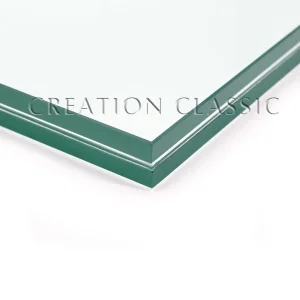
Unlike standard tempered glass which shatters into small fragments upon impact, laminated safety glass utilizes a flexible, tough interlayer (PVB or SGP) sandwiched between the glass sheets. If the glass breaks, the fractured panels remain bonded to the plastic interlayer, maintaining the structural barrier. This deters break-ins, resists vandalism, and prevents injury from falling glass shards.
Imports into the DRC require an official FERI (Fiche Électronique des Renseignements à l'Importation) or ECTN (Electronic Cargo Tracking Note) registered in the country of origin prior to dispatch. We cooperate fully by supplying detailed commercial invoices, packing lists, clean bills of lading, and certificate reports conforming to SGS standards to expedite custom clearing at Matadi or overland entry points.
SGP (SentryGlas Plus) is an ionoplast interlayer that is five times stronger and up to 100 times stiffer than traditional PVB interlayers. Under the tropical conditions of the DRC, SGP offers superior resistance to moisture, preventing edge clouding and delamination even when edges are exposed to weather without frames. It is highly recommended for structural glass fin walls, balustrades, and overhead canopies.
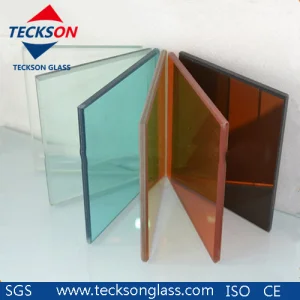
We provide tinted PVB layers (in blue, bronze, green, or gray) and Low-E laminated assemblies that reflect solar energy while transmitting visible light. This reduction in heat gain reduces building dependency on mechanical HVAC cooling system units, lowering overall operating costs in warm equatorial regions like Kinshasa.
 Greensina Glass